This website contains affiliate links. Some products are gifted by the brand. As an Amazon Associate, I earn from qualifying purchases. The content on this website was created with the help of AI.
While I share money-making strategies, nothing is “typical”, and outcomes are based on each individual. There are no guarantees.
I used to think my Pinterest was just a hobby for collecting ideas I’d probably never use. It was my digital scrapbook, a mood board for a life I might live someday. But then I stumbled upon a few overlooked niches that turned my casual pinning into a real, automated income stream. And I’m not talking about pocket change; I’m talking about a consistent flow of money that grew faster than anything I’d tried on other platforms. What I realized is that while everyone is fighting for attention on oversaturated apps, Pinterest has become a quiet goldmine for people who know where to look.
In this guide, I’m going to share the 8 Pinterest niches that have the potential to be absolute goldmines in 2026. But I’m not just going to read off a list. I’m going to break down the exact content strategies, the psychology behind why these niches work so well, and how you can get started from zero—even if you don’t have a blog, a website, or a huge following just yet. This is the blueprint that took my account from a simple hobby to a business.
Let’s be real, you’ve probably heard about making money on Pinterest. Maybe you even gave it a shot. You made a few pins, sprinkled in some affiliate links, and… crickets. You figured it was a waste of time, that you had to be a big blogger with tens of thousands of followers to get anywhere. I get it, because that’s exactly where I was. My first attempts were a total flop because I was treating Pinterest like Instagram—just posting pretty pictures and hoping for the best. Everything changed when I had one crucial mindset shift.
Here it is, and it’s the most important thing you’ll learn today: Pinterest is not a social media platform; it’s a visual search engine. Let that sink in. People don’t open Pinterest to see what their friends had for dinner. They come with a purpose. They come with intent. They are actively searching for ideas, solutions, and products to buy. They’re planners. They’re searching for “kitchen renovation ideas,” “best skincare for dry skin,” and “how to save for a down payment.” They are in discovery mode, with their wallets wide open. And that is the secret. Your job isn’t to distract them; it’s to be the solution they’re already looking for.
This is why you don’t need a massive following to succeed. You don’t need ‘followers’ in the traditional sense at all. You need your pins to show up in the search results for what people are typing. A single, well-optimized pin can be discovered by tons of people for months, or even years, driving traffic and sales long after you’ve created it. That’s the power of evergreen content on a search engine.
Throughout this guide, we’re going to break down these profitable niches, but more importantly, we’ll explore the sub-niches where the real, untapped potential is hiding. We’ll talk about content that actually converts, how to find affiliate products people are genuinely excited to buy, and how to use simple, often free, tools to make this whole process faster than you ever thought possible.
1. Hyper-Specific Home Decor & DIY
The first niche, and one of the most consistently strong performers, is home decor and DIY. But hold on. Do not, and I repeat, do not just start a generic “Home Decor” page. That ocean is vast and full of sharks. The real opportunity in 2026 is in the hyper-specific sub-niches. You have to think about the real problems of specific groups of people. So, instead of “Living Room Ideas,” you focus on “Renter-Friendly Small Apartment Hacks.” Instead of “DIY Projects,” you zero in on “Weekend DIY Projects for People Who Aren’t Handy.”
Why is this so profitable? Because our homes are our sanctuaries, and people are more than willing to spend money to make them better. Pinterest is their number one tool for planning these projects. They’re looking for inspiration that fits their exact situation—their budget, their skill level, and their lifestyle. When you create content for “Sustainable & Eco-Friendly Nursery Decor,” you’re not just another decor account; you become the only resource for an eco-conscious new parent who is actively looking to buy non-toxic cribs and organic cotton rugs. You’ve perfectly matched their specific search.
For your content, forget polished, professional studio shots. They look like ads, and people scroll right past them. What really works is authenticity. Real-life photos and videos of room makeovers, even the imperfect ones, perform incredibly well. Create Idea Pins showing a step-by-step process: “Watch me turn my boring rental bathroom into a spa retreat for under $200.” Create quick video tutorials: “How to create a gallery wall that looks expensive (but isn’t).” The key is to be relatable and offer real, achievable solutions.
You have three great ways to monetize here. First, affiliate marketing is massive. You can link to every single item you feature: the paint, the peel-and-stick wallpaper from Amazon, the pillows from Wayfair, the frames from Target. Second, as your pins drive traffic, you can direct that traffic to a simple blog or landing page and earn ad revenue. Third, you can create and sell digital products, like “DIY Project Planners” or “Budget Renovation Spreadsheets.”
So, what keywords should you be hunting for? Start by typing a broad topic into the Pinterest search bar and see what it suggests. “Renter-friendly…” will lead you to “…kitchen updates,” and “…bathroom ideas.” “Small apartment…” will lead you to “…storage solutions,” and “…home office setup.” These are the golden long-tail keywords your audience is using every day.
2. Targeted Beauty & Skincare Solutions
Next is a classic powerhouse: Beauty and Skincare. But just like with home decor, the riches are in the niches. The general “makeup tutorials” space is unbelievably crowded. To win in 2026, you need to become the go-to expert for a specific problem or group of people. The profit potential here is huge because beauty products often have good commission rates and customers are incredibly loyal once they find what works.

Think about the problems people are searching for solutions to. Not just “acne,” but “how to treat fungal acne.” Not just “anti-aging,” but “retinol alternatives for sensitive skin over 40.” Not just “makeup,” but “clean makeup brands for rosacea-prone skin.” These are high-intent, high-pain-point searches. The person searching for this isn’t just browsing; they are on a mission to solve their problem and are ready to buy today.
Your content strategy should be all about transformations and tutorials. Before-and-afters are killer in this niche. Idea Pins that show a “Skincare Routine for Glowing Skin,” with each step featuring a specific, linkable product, are pure gold. Video pins demonstrating “How to properly apply Vitamin C serum” or “My 5-minute makeup routine for busy moms” build trust and show your authority. This makes you a trusted expert, not just a salesperson.
Monetization here can be fantastic. Affiliate marketing is the main driver. Skincare and haircare often have generous commission rates. As you grow, brands will start reaching out for sponsored content, where a single sponsored pin can be worth hundreds, if not thousands, of dollars. On top of that, you can create your own digital products like a “30-Day Skincare Challenge” or a guide to “Understanding Your Skin Type.”
For keywords, think like your audience. “Best mineral sunscreen for dark skin,” “how to get rid of under-eye bags,” “cruelty-free foundations for oily skin,” “heatless curls tutorial for long hair.” These specific, long-tail keywords will attract a motivated audience that is much more likely to convert.
3. Approachable Health & Fitness
Health and Fitness is an absolute giant on Pinterest. It’s a niche driven by powerful emotions: losing weight, feeling more energetic, and living a healthier life. The demand is constant. But, just like our other niches, you’ll get lost if you try to be a generalist. The key to success in 2026 is to be approachable and specific. The world doesn’t need another “how to get a six-pack” pin. It needs “15-minute at-home workouts for beginners,” “gentle yoga for back pain,” or “meal prep ideas for people who hate cooking.”

The money comes from providing simple, non-intimidating solutions. People are tired of extreme diets and impossible workout routines. They want realistic, sustainable changes they can actually fit into their busy lives. When you create content on “low-impact cardio for bad knees” or “healthy breakfast ideas that take less than 5 minutes,” you connect with a huge, underserved audience that feels left out by mainstream fitness culture.
Your content should be visual, instructional, and encouraging. Create short video pins demonstrating a single exercise with perfect form. Design beautiful, pinnable graphics that list “10 High-Protein Snacks You Can Buy on Amazon.” Idea Pins are perfect for walking through a full “At-Home Pilates Routine.” Your visuals should be clean, bright, and inspiring. Show diversity in body types and fitness levels. The goal is to make people feel empowered and capable, not defeated.
Monetization is incredibly diverse. Affiliate marketing for fitness equipment, workout clothes, supplements, and even healthy snack subscriptions can be very profitable. But a massive opportunity, and where you have more control, is in selling your own digital products. This is where you can package your expertise. Think “4-Week Beginner’s Workout Plan,” a “Digital Fitness & Habit Tracker,” or a “Clean Eating Recipe Book.” These products offer a complete solution and can be sold on simple platforms like Gumroad or Stan Store, with links directly from your pins.
For keywords, focus on combining a goal with a specific need. “Beginner bodyweight exercises,” “healthy air fryer recipes,” “meal prep for one person,” “postpartum workout plan,” “stress relief yoga.” These keywords show clear intent and will bring you traffic that’s ready to take action.
4. The Modern Fashion Guide

Fashion is part of Pinterest’s DNA. But the way people use it for style is changing. It’s less about chasing fleeting trends and more about building a functional, stylish wardrobe that lasts. Specificity is your secret weapon. Instead of being a generic “fashion inspiration” account, become the “Capsule Wardrobe for Working Moms” expert, the “Affordable Sustainable Fashion” guru, or the go-to source for “Classic Style for Women Over 50.”
The profitability here lies in solving the daily problem of “I have nothing to wear.” People want formulas and guides to make getting dressed easier. They want to know how to style a single pair of black trousers five different ways. They want to find a great alternative to a luxury handbag. You’re not just showing clothes; you’re providing a styling service through your content.
Your content should focus on “how-to” and “outfit formula” formats. Create pins that say “5 Ways to Style a White Button-Down Shirt.” Idea Pins that showcase a “10-Piece Fall Capsule Wardrobe” and then show all the different outfits you can create from it are incredibly valuable. “What to wear when…” is another golden content format. For example, “What to wear for a business casual dress code.” Use video to show how clothes move and fit in real life.
The most direct way to monetize here is through affiliate marketing. By joining networks like LTK (LikeToKnow.it) or Amazon Associates, you can create shoppable pins where users can click directly on an item in your photo and buy it. As you build your brand, you can also do sponsored posts with fashion brands that fit your niche. For digital products, consider creating a “Capsule Wardrobe Planner” or a “Personal Style Discovery Workbook.”
Your keywords should be hyper-specific and solution-oriented. “Business casual outfits for women,” “fall wedding guest dresses,” “what to wear in Italy in September,” “sustainable denim brands,” “petite workwear ideas.” These keywords will attract users who are actively planning their next purchase.
Ready to take your Pinterest strategy to the next level? For full, step-by-step guidance on how to set everything up, find winning products, create pins that get seen, and build a sustainable income system, check out our Pinterest Profit Machine masterclass. It’s a deep dive that covers everything we’re talking about today in much more detail. This is the exact system used to build a successful online business.
5. High-Value Food & Recipes
The food and recipe niche is one of the largest on Pinterest, but many creators struggle to make real money from it. Why? Because linking to a single carrot on Amazon isn’t going to make you rich. The key to earning a serious income in the food niche is to move away from general recipes and into high-value sub-niches tied to more expensive products or lifestyles.
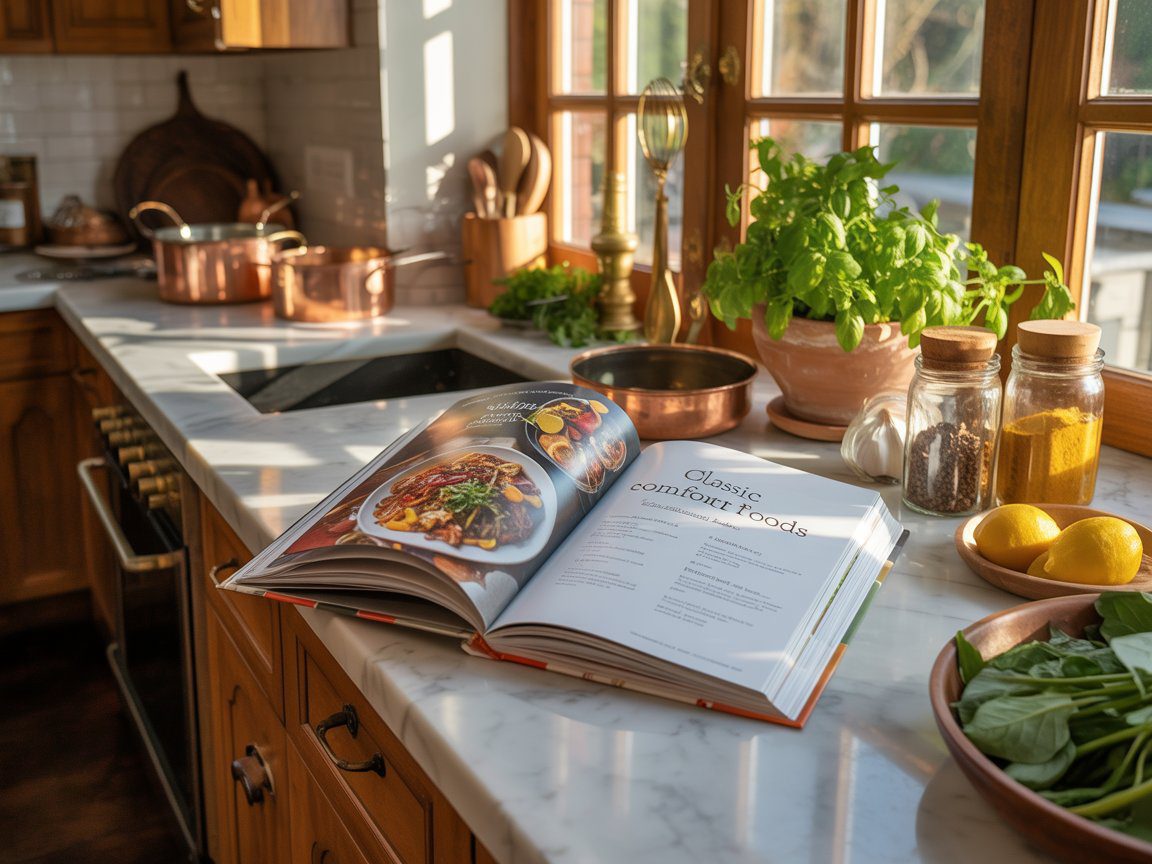
Instead of “easy weeknight dinners,” think “gourmet coffee and espresso at home.” This niche lets you be an affiliate for $800 espresso machines, $50 bags of artisanal coffee, and high-end grinders. Instead of “chocolate chip cookies,” think “gluten-free artisan baking.” Now you can promote expensive specialty flours, high-end mixers, and sell your own e-book of gluten-free dessert recipes. Other high-value niches include “craft cocktails and home bartending” or “meal planning for specialty diets” like Keto, where you can link to subscription boxes and kitchen gadgets.
Your content strategy needs to be drool-worthy. High-quality photos and videos are non-negotiable here. Use video pins to show the process—the sizzle of onions in a pan, the slow pour of espresso—these are the things that make people stop scrolling. Create beautiful, long pins with the full recipe text on the image itself, which makes them highly shareable. Idea Pins are perfect for step-by-step recipe walkthroughs. The goal is to make the food look so good that the user feels they have to try it.
Monetization starts with strategic affiliate marketing of high-ticket items. But the biggest driver for many food creators is ad revenue. Recipe pins drive a ton of traffic. When a user clicks through to your blog to get the full recipe, you earn money from the ads on that page. Sponsored content is also huge; brands will pay you to develop recipes using their products. And of course, selling your own digital recipe books or meal plans is a fantastic way to generate income.
For keywords, think specific and aspirational. “How to make cold foam at home,” “best non-alcoholic cocktail recipes,” “sourdough for beginners,” “keto dinner ideas,” “easy vegan baking.” These keywords attract users looking to invest in a new hobby or lifestyle, meaning they’re ready to spend money.
6. The Financial Glow-Up (Personal Finance)
Personal finance has absolutely exploded on Pinterest, and it’s one of the most underrated niches for making money. Why? Because you are directly helping people manage, save, and make money. The value is crystal clear. But the old, boring “how to budget” content doesn’t cut it anymore. The winning strategy for 2026 is to frame personal finance as a lifestyle and wellness practice—a “Financial Glow-Up.” It’s about empowerment, freedom, and designing the life you want.

Focus on visually appealing, solution-oriented content. Instead of spreadsheets, think “Aesthetic Budgeting Templates.” Instead of dense articles, think “5 Side Hustles for Creatives” or “How I Saved My First $10,000.” This niche is perfect for people who feel intimidated by traditional finance advice. You can target specific goals like “saving for a house deposit” or “how to start investing with just $100.”
Your content must be built on trust and clarity. Create clean, beautiful, and easy-to-read pins. Use graphics to visualize concepts, like an infographic comparing the “Debt Snowball vs. Debt Avalanche” methods. Create Idea Pins that walk through “How to set up your first high-yield savings account.” Share your own journey and be transparent. This builds a powerful connection with your audience. The content should feel inspiring and actionable, making people feel like they can finally take control of their finances.
Monetization in this niche is powerful. Affiliate marketing is a big one; you can promote high-yield savings accounts, investing apps, and budgeting software. The commissions in this space can be very generous. But where you can really see a huge impact is with your own digital products. You can create and sell beautiful, functional “Budgeting Planners,” “Net Worth Trackers,” or “Side Hustle Idea Vaults.” These are tools people will gladly pay for because they solve a major life stressor.
Your keywords should tap into your audience’s goals and anxieties. “How to create a budget you’ll actually stick to,” “high-yield savings account 2026,” “creative ways to save money,” “how to make passive income online,” “investing for beginners guide.” These keywords attract people who are actively looking for a financial transformation.
7. The Digital Product & Template Goldmine
This next niche is a little meta, but it’s one of the most scalable business models on Pinterest. It’s the niche of selling digital products and templates to other creators and small business owners. Millions of people are trying to grow their own businesses on Pinterest, Etsy, or Instagram. They’re short on time and often lack design skills. You can be the one who sells them the shovels during the gold rush.
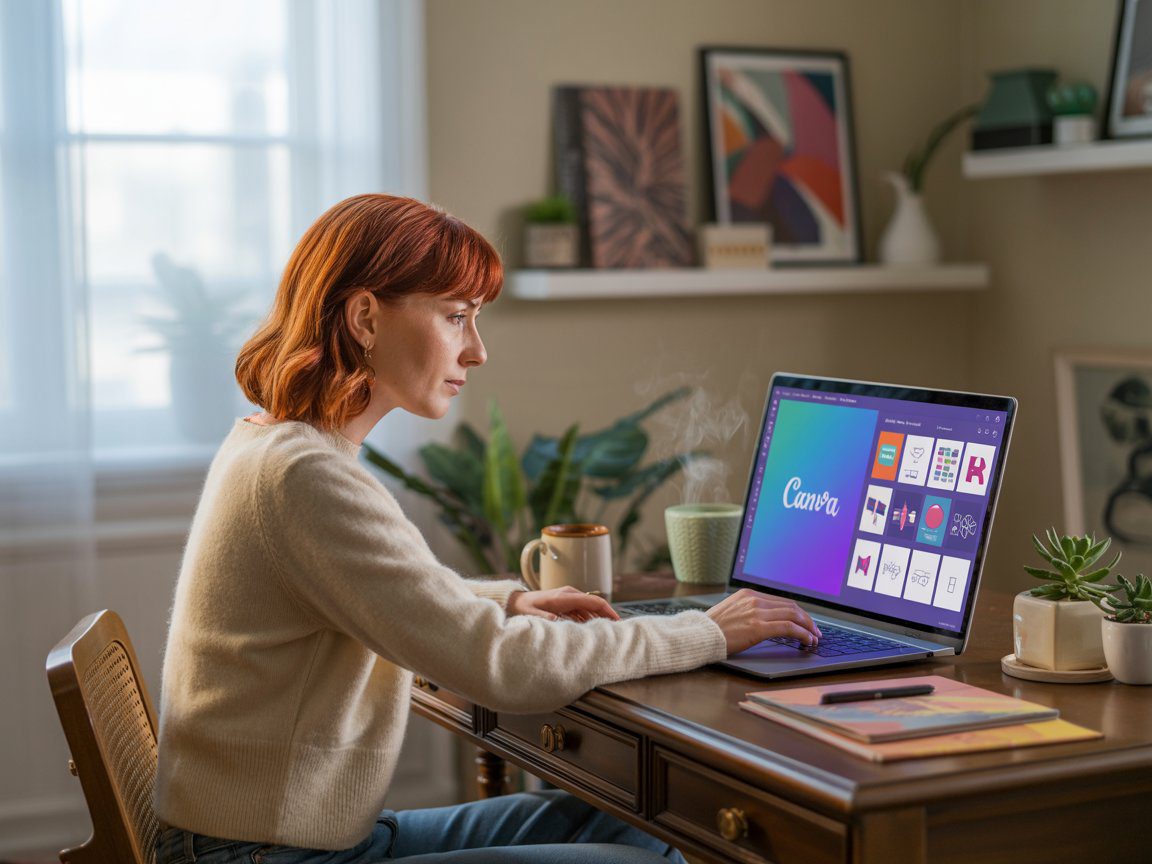
This niche involves creating and selling things like “Viral Pinterest Pin Templates,” “Canva Templates for Instagram Stories,” “Digital Planner Templates,” or “Media Kit Templates for Influencers.” You are selling a shortcut. You are selling time and professionalism. A small business owner can buy your pack of 50 pin templates for $35 and save themselves dozens of hours of design work. It’s an incredibly easy “yes” for them.
Your content strategy is basically to show off the end result. Create pins that are examples of what can be made with your templates. If you sell pin templates, your entire Pinterest account is your portfolio—it should look amazing. Create pins with titles like “Get 50 Viral Pin Templates for Your Coaching Business.” Use video pins to show how easy it is to customize your templates. Drag, drop, change the colors, and boom—a beautiful graphic in seconds. You are selling simplicity and results.
Monetization is beautifully straightforward: you sell your digital products. You can list them on platforms like Etsy, Gumroad, or your own website. The beauty of digital products is you create them once, and you can sell them an infinite number of times. There’s no inventory, no shipping, and your profit margins are nearly 100% after platform fees. You can even create an affiliate program for your own products, encouraging others to promote your templates for a commission.
For keywords, think about your customer. “Pinterest templates for coaches,” “Canva templates for realtors,” “digital planner for Goodnotes,” “ebook template Canva,” “how to create a lead magnet.” You are targeting other aspiring entrepreneurs, a highly motivated and purchase-ready audience.
8. Modern Homesteading & Self-Sufficiency
Finally, one of the most interesting growth niches for 2026: Modern Homesteading and Self-Sufficiency. This niche has seen a quiet but massive explosion in interest. It taps into a deep desire for a simpler, more connected, and more resilient life. It’s not about living off-grid in a cabin; it’s about bringing elements of self-sufficiency into a modern lifestyle.
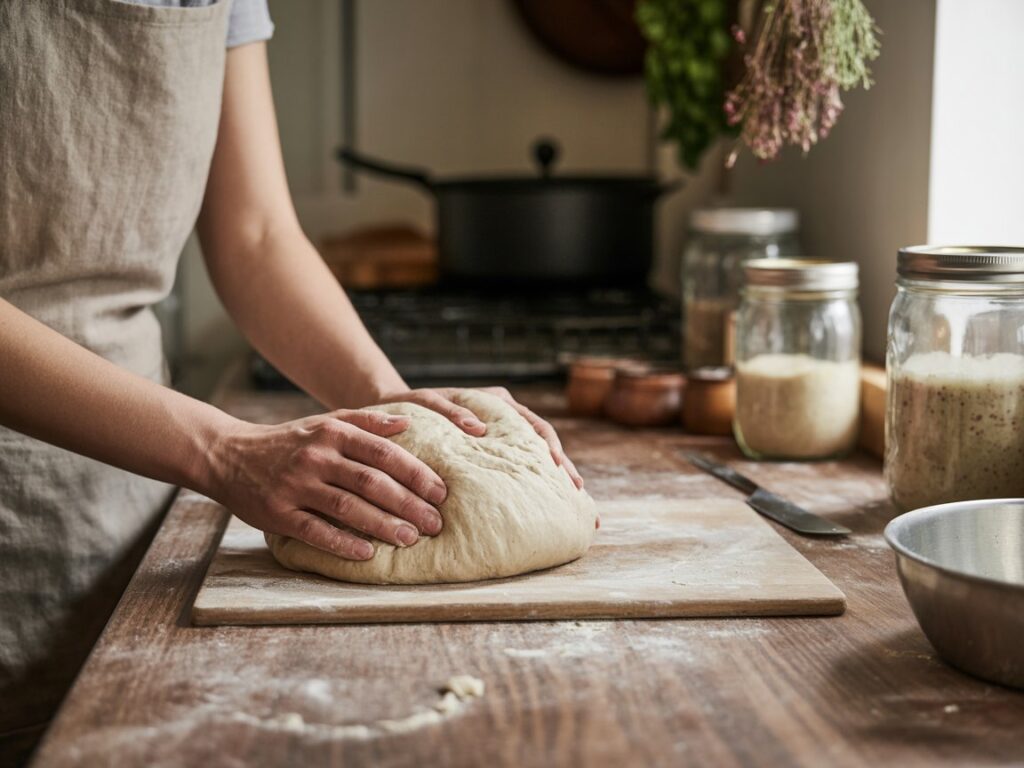
This niche is a beautiful blend of many others: DIY, food, personal finance (frugality), and home decor (rustic aesthetics). Sub-niches are everywhere: “small-space urban gardening,” “sourdough baking from scratch,” “chicken keeping for beginners,” “canning and food preservation,” “natural cleaning recipes,” “learning to sew your own clothes.” People are actively searching for these skills. They want to feel more capable and less dependent on fragile systems.
Your content strategy should be educational and inspiring. Document your journey. Show your first loaf of sourdough, even if it’s a brick. Show your small container garden on your apartment balcony. Authenticity is everything here. Create Idea Pins for “How to build a simple raised garden bed.” Make video tutorials on “How to can tomatoes for the first time.” Write pins that list “10 things you can stop buying and start making.” You are selling a feeling of empowerment and a connection to the real world.
Monetization in this niche is incredibly robust. Affiliate marketing works for everything from garden tools and seeds to canning supplies and sewing machines. Ad revenue can be significant if you start a blog for your tutorials. But the biggest opportunity is often in digital products and courses. An e-book on “The Beginner’s Guide to Sourdough,” a course on “Planning Your First Vegetable Garden,” or a set of “Canning Recipe Cards” can be incredibly successful. You are selling structured knowledge that helps people learn a valuable, real-world skill.
Your keywords will be very practical and project-based. “How to start a container garden,” “beginner sourdough recipe,” “no-dig gardening method,” “how to make homemade vanilla extract,” “natural laundry detergent recipe,” “mending clothes tutorial.” These keywords attract a passionate, engaged audience that is eager to learn and invest in their new lifestyle.
Conclusion
There you have it—the 8 niches with huge potential on Pinterest for 2026 and the exact strategies to approach them. From hyper-specific home decor to the meta-world of selling digital templates and the grounded skills of modern homesteading, the common thread is this: stop being a generalist. Find a specific problem for a specific group of people, and become the go-to resource that provides the solution.
The biggest mistake people make is getting overwhelmed and never starting. They wait for the perfect niche, the perfect product, the perfect brand. The secret is just to start. Pick one of the niches we talked about today that genuinely excites you. You don’t need a fancy website right away, you don’t need a huge following, and you don’t need to be a design expert. All you need is a free Pinterest account and a willingness to be helpful.
Remember my story. I started this as a hobby, a digital mood board. It was only when I realized I could use it to solve problems for people that it transformed into a real business. That same potential is sitting there waiting for you. People are on the platform right now, searching for the ideas and solutions that are in your head.
Your journey starts with a single pin. Use the strategies we discussed. Focus on creating authentic, helpful, and specific content. And stay consistent. If you put in the work, you will be shocked at how quickly you can build a real, sustainable income from this platform.