Key Takeaways
- The “free” model of popular apps often disguises data collection, behavioral profiling, and monetization of user attention.
- App design features like infinite scroll and push notifications are engineered to bypass natural stopping points and prolong engagement.
- Targeted ads, affiliate marketing, and data resale are primary revenue streams for free apps, often at the cost of user autonomy.
- Regaining control over attention requires conscious digital habits, platform accountability, and greater public awareness of manipulative design.
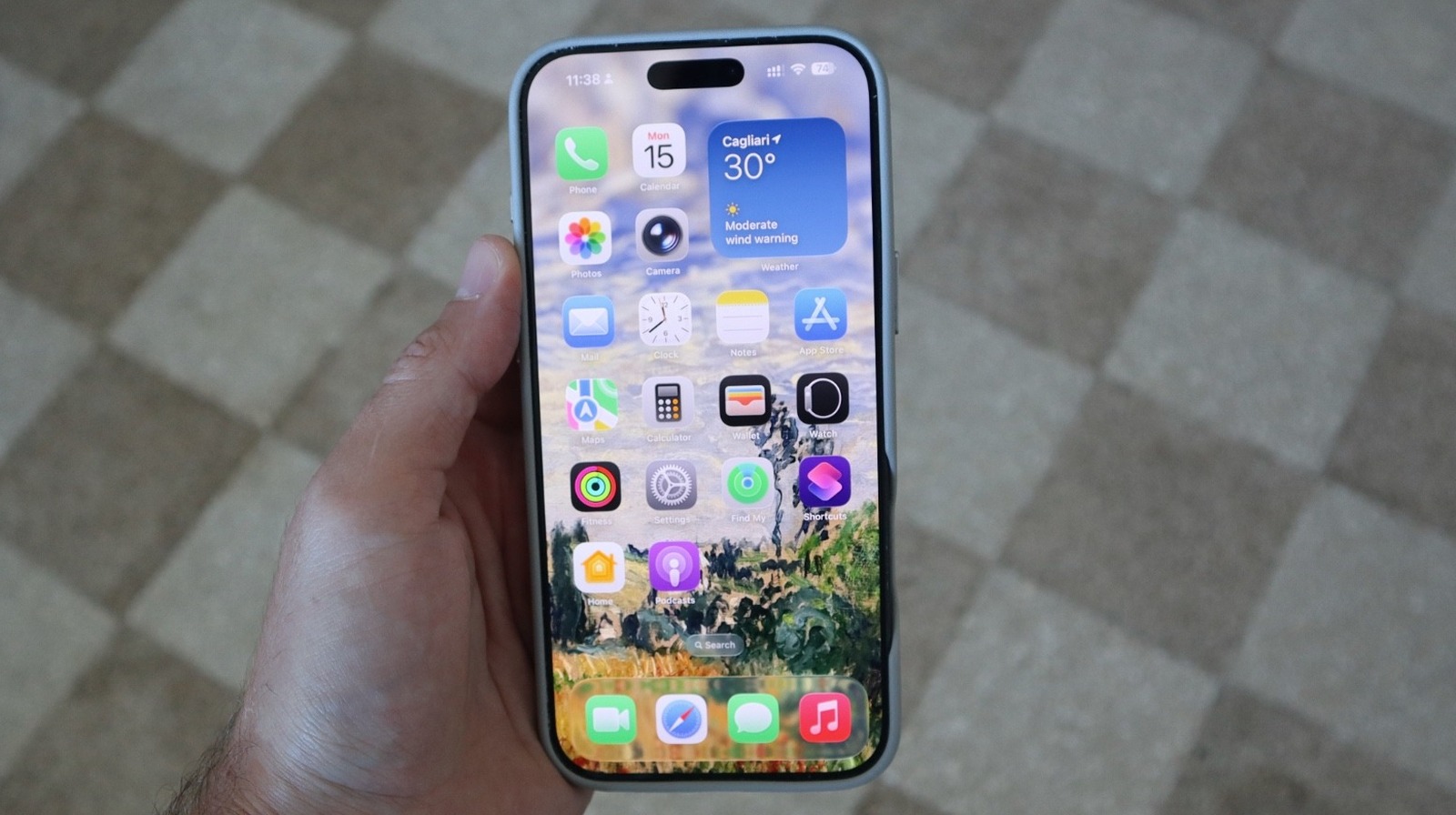
At first, it looks like a good deal. A clever game to pass the time, a free photo editor, a meditation app that promises calm at no cost. All it takes is a download. But within days, sometimes hours, you start to notice the nudges. A notification at midnight. An autoplay video when you were just trying to check a recipe. A new ad that seems eerily connected to a private conversation.
These apps weren’t just giving you convenience. They were taking your attention. And in the attention economy, that’s the whole point.
What many users still don’t fully grasp is that free apps aren’t free. In exchange for features, we hand over data, focus, and time — currency more valuable than dollars in today’s tech landscape. And the tools being used to extract that value are only growing more subtle and powerful.
Why We’re Talking About This Now
App fatigue isn’t just anecdotal anymore. In 2024, the average American spent the equivalent of two-and-a-half months on mobile devices, with over 70% of that time inside free apps. At the same time, public concern about privacy, algorithmic manipulation, and screen-time addiction has grown. Regulatory bodies in the EU and the U.S. are taking aim at deceptive design practices. Apple and Google are under scrutiny. And users are increasingly asking a once-rare question: What am I actually giving up when I download this app?
The answer, it turns out, is layered. And urgent.
How “Free” Really Pays
The most straightforward form of app monetization is targeted advertising. Your clicks, pauses, searches, and even the speed of your scrolling contribute to an ever-evolving profile that’s sold to advertisers eager to reach you. The longer you stay engaged, the more ad slots the app can sell. Your behavior becomes a product: refined, packaged, and monetized.
Then there’s affiliate marketing. Apps subtly push products or services — supplements in a fitness tracker, credit cards in a budgeting tool — and earn a cut when you follow through. It’s commerce dressed as suggestion, hiding in plain sight.
More concerning, though, is the resale of user data. Apps frequently collect metadata about your habits, locations, and relationships. Though companies often promise anonymity, behavioral data can easily be re-identified. This information flows to third parties (data brokers, insurers, financial institutions), fueling systems of surveillance that most users aren’t aware they’re part of.
The “freemium” model rounds out the picture. You get the basics for free, but meaningful functionality is locked behind a paywall. Friction is deliberately introduced to frustrate users into upgrading. What should be a tool becomes a trap.
Why Engagement Feels Like Compulsion
App interfaces aren’t neutral. They’re optimized to manipulate human psychology. Features like infinite scroll, autoplay, and push notifications aren’t about convenience; they’re designed to override your natural stopping cues.
Infinite scroll removes friction and decision-making. There’s no “end” to signal a break, just one more post, one more video, one more dopamine hit. It’s no accident that this mechanic mimics the variable reward structure of slot machines. Uncertainty keeps you swiping.
Once upon a time, notifications informed. Now they prompt. They’re designed to create urgency and disrupt. Even when silenced, the red badge icon on your home screen becomes a psychological itch — a nagging sense that you’re missing something.
The longer we engage with these designs, the more they reshape our expectations. We become less tolerant of boredom, more reliant on devices to fill every idle second. Over time, this leads to wasted hours as well as a deeper erosion of attention, critical thinking, and emotional regulation.
So Why Haven’t We Fixed It?
Attempts to curb these effects have struggled. Platform-based screen-time tools like Apple’s Screen Time or Google’s Digital Wellbeing offer insights, but rarely lasting behavior change. Notification controls are easily overridden. And most users don’t want to quit apps entirely; they just want to use them without being used.
Meanwhile, legislative efforts lag behind the pace of design innovation. Even well-intentioned policies struggle to define manipulative UI practices or regulate data sharing across jurisdictions. The economic incentive to keep users engaged and harvest their data is simply too strong.
What Taking Back Control Really Looks Like
The first step is recognizing the game. Digital literacy, at its core, is about understanding how platforms monetize engagement and why your data is valuable. Once you see the architecture of persuasion, it becomes easier to resist.
From there, practical steps matter. Turn off all but essential notifications. Remove addictive apps from your home screen or delete them from your phone entirely. Use them only via desktop, where the experience is less frictionless and more intentional. Schedule app use like any other task: with a start time, an end time, and a purpose.
Crucially, question what you’re being offered in exchange for your attention. Is a meme or microdose of entertainment worth the data trail it leaves behind? Would you rather scroll? Or would you prefer to read, walk, or actually call a friend?
The Hard Part: Making It Stick
Behavior change isn’t just about knowledge. It’s about incentives. And most apps are built to undermine both. That’s why even the most tech-savvy users often fall back into old habits.
Real change may require a deeper shift. Public pressure on platforms to design for well-being, not just engagement. More transparent data practices. App stores that rank based on ethical design, not just popularity. Until then, users need to be their own line of defense — one setting, one habit, one decision at a time.
Free apps cost more than we admit. Not in dollars, but in something far scarcer: attention, autonomy, and agency. If reclaiming that sounds difficult, that’s because it is. But in a world increasingly optimized to distract and extract, protecting your focus might be the most radical thing you can do.
Dr. Mark “The Shark” Smith is an IFBB professional bodybuilder, published author, and an expert in leadership, business, and organizational development. His professional background has been around company expansion and growth. With over 15 years of experience with various companies, ranging from enterprise to start-up.