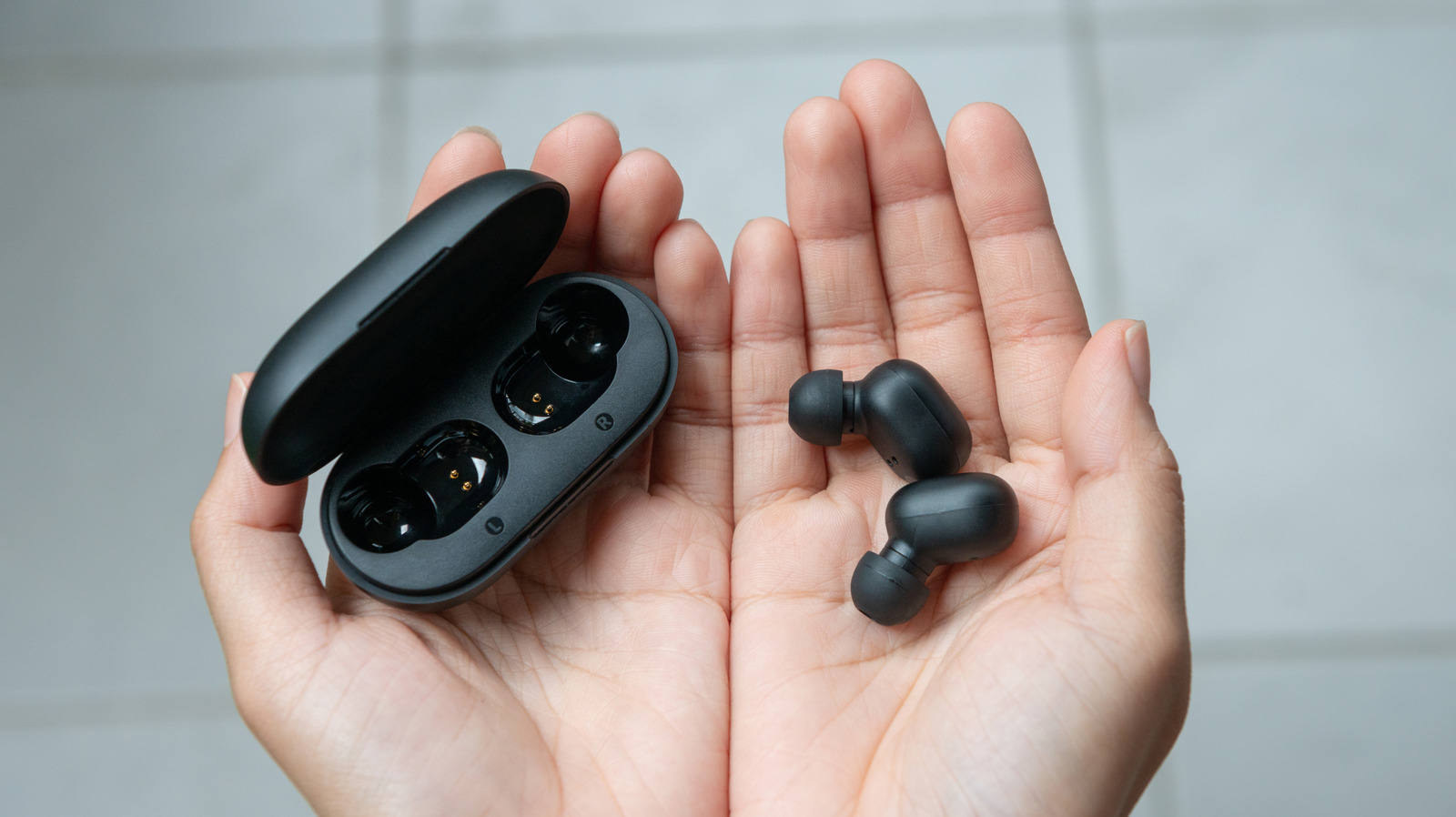
Bluetooth headphones are a staple of the on-the-go listener, adorning travel bags and commuter setups around the world. But you may have heard speakers or headphones referred to as “wireless” before. What’s the difference between Bluetooth and wireless, and more importantly, which one is better? The answer may be a surprise considering how popular Bluetooth headphones are.
In general, if a speaker is advertised as “wireless,” it most likely uses a different protocol than Bluetooth. So, while both options are technically wire-free, manufacturers typically refer to Bluetooth connectivity in the product name. If that speaker setup you’re eyeing is billed as “wireless,” it typically means that it connects to devices via your home’s Wi-Fi — performance reserved for smart, connected speakers such as those from Bose or Sonos.
When it comes to the best headphones, Bluetooth connectivity is far and away the most common means of connecting, but some niche models connect using other means. The short answer is that Bluetooth can be more compatible across devices, but wireless can offer more seamless transmission.
What’s Bluetooth and what’s wireless?
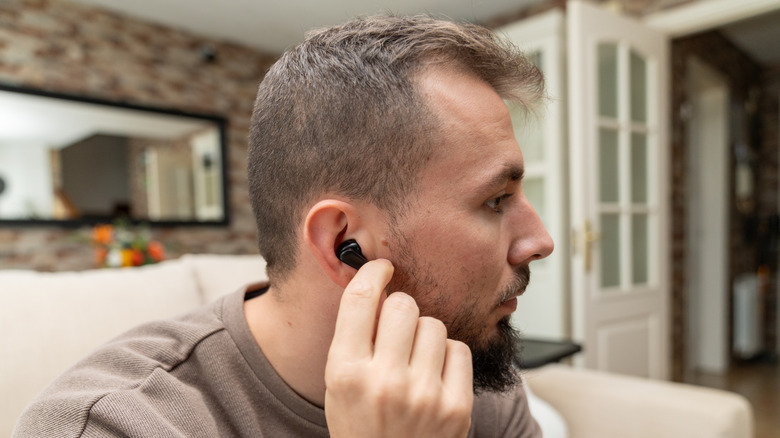
To answer the question of which connectivity is better, it’s important to understand the difference. Put simply, Bluetooth is a form of connectivity popular amongst audio devices because it is a common protocol that uses miniaturized chips in both source and receiver devices that can communicate directly. This means that it’s the “gold standard” for mobile devices, and basically any modern computer or mobile device has it baked in. While Bluetooth is technically a wireless technology, if headphones are described as “wireless,” they are likely using a different technology.
Other wireless audio devices tend to use a different frequency, often 2.4 gigahertz. In general, headphones don’t tend to employ this technology because people want to use their headphones when they’re out of the house, away from their home setup. There are plenty of gaming-oriented headsets that use this tech, but they typically come with a USB or 3.5-millimeter headphone receiver that you’ll have to plug into a computer or source device to connect.
It’s important to note that these receivers, though utilizing a wireless band similar to a Wi-Fi router, aren’t actually using your network. While smart speakers can be viewed as a network device, none of the major headphone brands make Wi-Fi headphones. Finally, other radio-frequency headphones use receivers designed to work with your TV, often used for those who want privacy while watching content, or for people who are hard of hearing and need a little extra volume.
Is wireless connectivity better than Bluetooth?
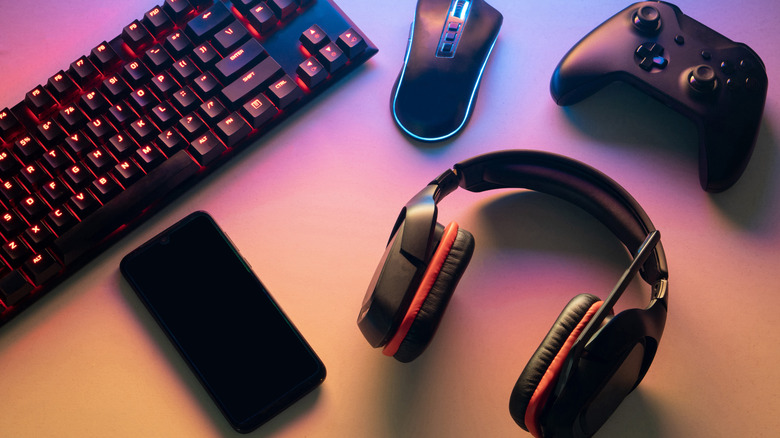
As you probably guessed by now, which one is better can be a loaded question. Bluetooth does use a form of radio frequency to transmit audio, but because of the universal format and transfer speeds required, it compresses audio files. You may even experience some latency or delay from source to sound output. More direct wireless transmission in other types of audio devices (such as 2.4-gigahertz) will often yield better, less lossy results with minimal delay — but it won’t be as seamless, universal, or efficient as Bluetooth.
If you’re a gamer, this quick transmission could be attractive as it means that actions seen in a game will line up perfectly and almost instantly with the sound you hear. In essence, while plugging in a dongle to connect headphones is more cumbersome, it could yield a better experience. As with everything, it comes down to convenience and priorities. If you want premium, consumer headphones to pair with all your devices while you’re on the go, opt for Bluetooth. If you want immersive audio with less delay and don’t mind worrying about using a dongle to receive the signal, wireless headphones work great.