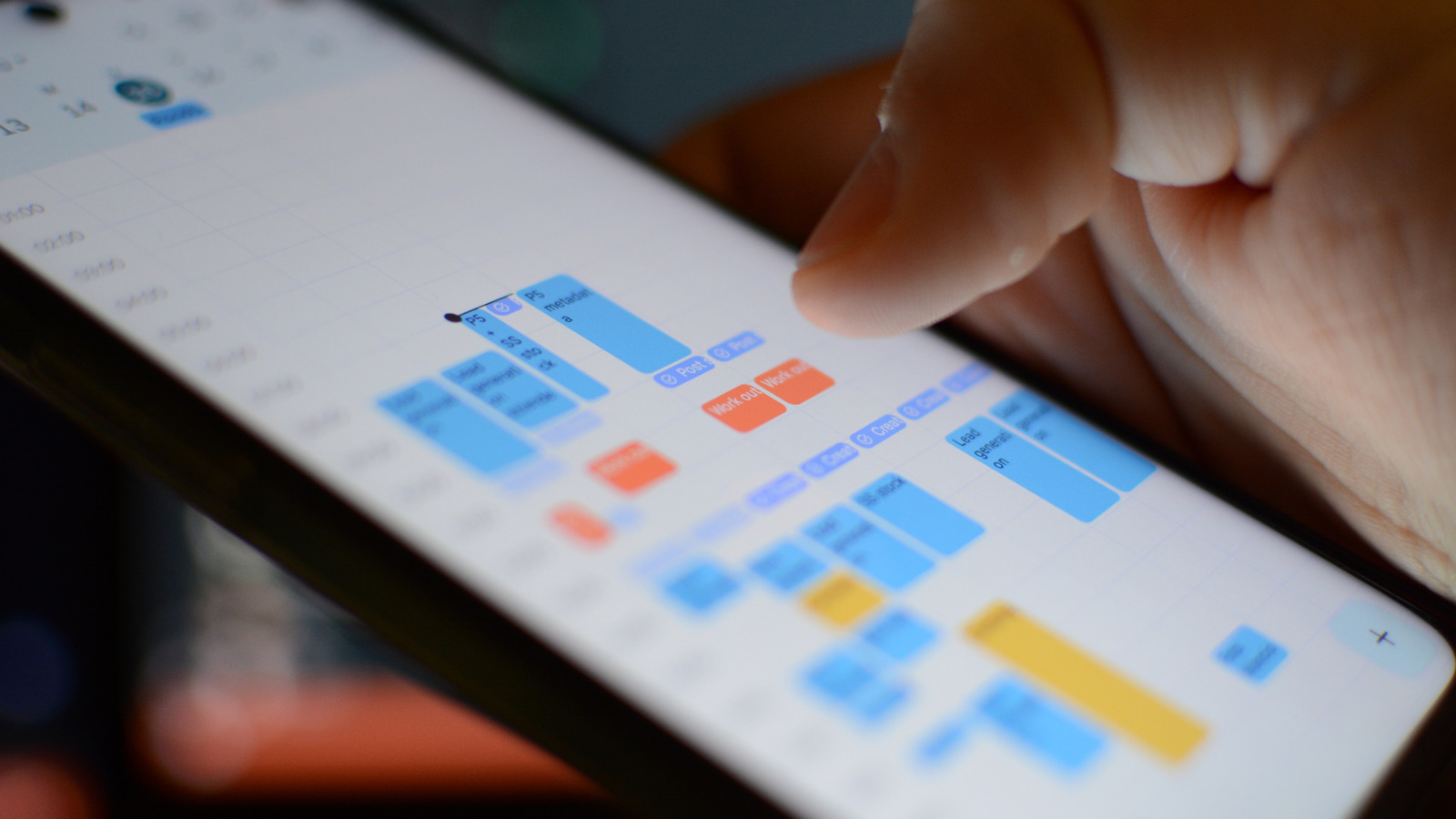
Everyone is constantly productivity-maxing and trying to lock in. That usually involves adopting multiple productivity tools, from dedicated to-do apps to habit trackers and digital planners. The problem? Most people eventually abandon them after a while. Tasks pile up, overdue notifications multiply, and soon, you can’t even track what app does what anymore. There’s a simpler solution already sitting on every Android device: Google Calendar.
Most Android users already open Google Calendar several times a week without realizing how powerful it actually is. You might use Calendar to schedule a meeting or get reminded about someone’s birthday, but not much beyond that. Meanwhile, people are downloading all sorts of complicated apps, trying to build elaborate scheduling systems that eventually fall apart. If you’ve ever felt overwhelmed juggling multiple tools, Google Calendar is like that reliable friend who’s been in the room the whole time, raising their hand like, “Hey, I can handle all of this.”
It is completely free, packed with great features, and seamlessly integrates with Gmail, Google Tasks, and other Google services you may already use daily. While it might look like just another scheduling tool, productivity experts and countless users swear by it as their go-to system for actually getting things done.
Turn tasks into time blocks with built-in features
The reason Google Calendar works where other to-do calendar apps fail comes down to psychology. Traditional to-do lists let you create endless tasks without forcing you to face the reality of time. You can add 20 items to tomorrow’s list, even though you only have six hours of free time.
With the Google Calendar update rolled out in November 2024, the integration between Google Tasks and your actual schedule finally feels complete. Tasks can now be assigned to a specific time block: All you have to do is select an empty slot on your Calendar, tap on Task, add the title and description, and you’re set. Your to-dos stop being wishes that “might happen today” and become visible, non-negotiable time commitments. By giving a task physical space on your screen, you prevent accidental overbooking and force yourself to acknowledge how long things actually take.
You can also set up the tasks to repeat as often as you want, helping you build better habits by setting up routines that actually stick. Remember to fill out the description box as well: A vague task labeled “Work” is a trap, inviting decision fatigue the moment you sit down. Instead, use the description to list specific objectives. When the Calendar notification pings, you won’t waste 10 minutes trying to figure out where to start, and can just execute.
Spot burnout before it happens with color coding
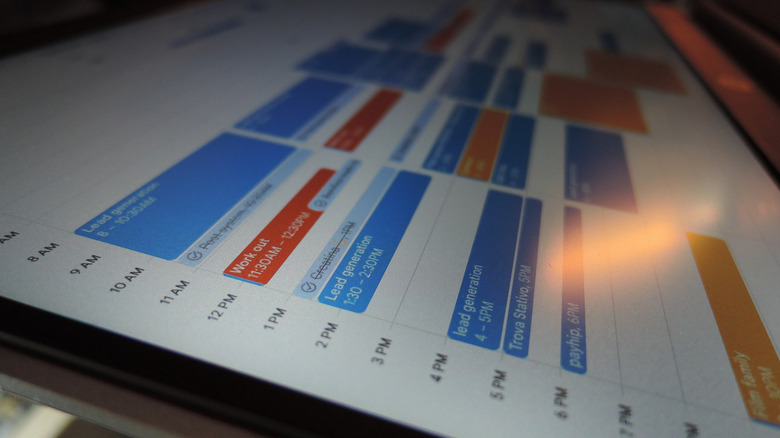
Look at your calendar right now. If it’s just a wash of default blue, you are missing out on a lot and hiding important data from yourself. By leaving every entry the same color, you are visually treating a grueling three-hour coding sprint exactly the same as a quick 15-minute coffee chat. Color coding your events on Calendar transforms that boring, monochromatic grid into a genuine heat map of your daily bandwidth.
Go into your settings and assign a bright red to the tasks that require high brainpower and zero interruptions. Switch your wellness blocks, like the gym or that lunch break you keep skipping, to green. Make meetings yellow, and use blue for those low-energy admin tasks, like clearing out your inbox or checking Slack.
The payoff hits you the second you zoom out to the Week view. Instead of reading text, you are looking at a dashboard that shows how much work you have to do. If you see a terrifying sea of red on Wednesday without a single island of green, you know you are heading straight for burnout before the week is even half over, and you can better parse your tasks and course-correct.