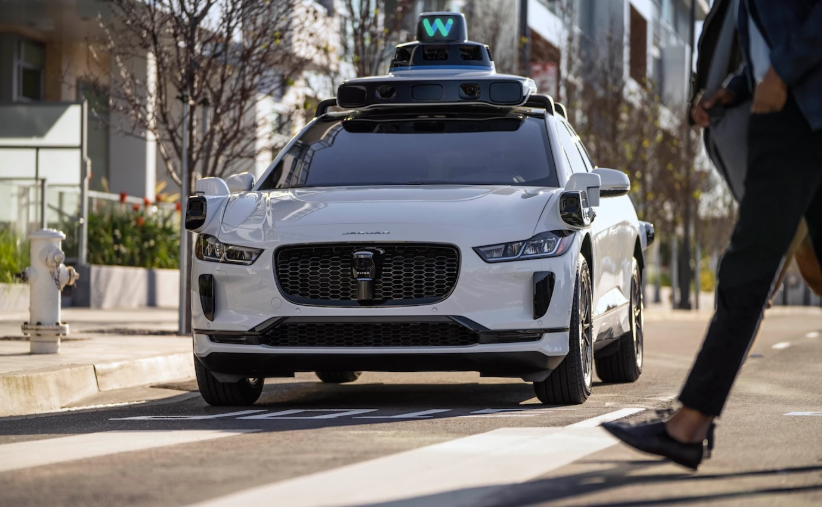
Autonomous car company Waymo LLC is updating its fleet of robotaxis following a massive power outage in San Francisco that brought its vehicles to a standstill at intersections across the city.
The company says the update will ensure Waymo’s self-driving cars are better able to recognize and respond to large-scale power outages. That way, they can act more “decisively” during such events and safely pull over to the side of the road, without overwhelming the company’s remote human assistance system. During the blackout, that system failed to work as expected because of the large number of vehicles shutting down.
Waymo rolled out the update swiftly following a major outage at the weekend that knocked out power for almost a third of San Francisco’s residents and took out traffic lights across the city. The resulting gridlock was worsened by Waymo’s robotaxi fleet, as the driverless vehicles simply shut down right where they were, sometimes in the middle of busy streets.
The outage, which was caused by a fire at a Pacific Gas & Electric Co. substation, forced Waymo to “proactively pause its operations” on Saturday afternoon, at the height of one of the busiest shopping weekends of the year.
Videos on social media showed multiple Waymo vehicles sitting immobilized at intersections and along major thoroughfares when the lights went out, exacerbating the congestion as hundreds of police and fire crews fanned out across the city to manually direct traffic.
In a blog post, Waymo said it worked with San Francisco city officials during the blackout in order to retrieve its stalled vehicles as quickly as possible and return them to depots, or else pull them over safely to the side of the road and ease congestion on the roads. The company had resumed its normal robotaxi service by Sunday evening, once power had been fully restored to most parts of the city.
According to Waymo, its self-driving cars are trained to treat dark signals at intersections as four-way stops, but the scale of the outage meant that many of them remained stationary for much longer as they struggled to confirm what was happening given poor connectivity.
The incident was one of the most visible disruptions for Waymo so far in a city that has become a showcase for the company’s technology, as one of the few places in the world where driverless robotaxis operate at scale. Waymo is the leading commercial robotaxi operator in the U.S., and it currently offers its autonomous ride-hailing services in five U.S. cities. This year, the company said, it has logged more than 100 million autonomous miles over 14 million rides. It’s planning an aggressive expansion of its services, and hopes to be up and running in more than two dozen cities by the end of 2026.
Waymo said in a statement that it’s reviewing the lessons it learned from the weekend’s outage to try and prevent a similar situation from occurring. “Saturday’s power outage was a widespread event that caused gridlock across San Francisco, with non-functioning traffic signals and transit disruptions,” the company said. “While the failure of the utility infrastructure was significant, we are committed to ensuring our technology adjusts to traffic flow during such events.”
Photo: Waymo
Support our mission to keep content open and free by engaging with theCUBE community. Join theCUBE’s Alumni Trust Network, where technology leaders connect, share intelligence and create opportunities.
- 15M+ viewers of theCUBE videos, powering conversations across AI, cloud, cybersecurity and more
- 11.4k+ theCUBE alumni — Connect with more than 11,400 tech and business leaders shaping the future through a unique trusted-based network.
About News Media
Founded by tech visionaries John Furrier and Dave Vellante, News Media has built a dynamic ecosystem of industry-leading digital media brands that reach 15+ million elite tech professionals. Our new proprietary theCUBE AI Video Cloud is breaking ground in audience interaction, leveraging theCUBEai.com neural network to help technology companies make data-driven decisions and stay at the forefront of industry conversations.