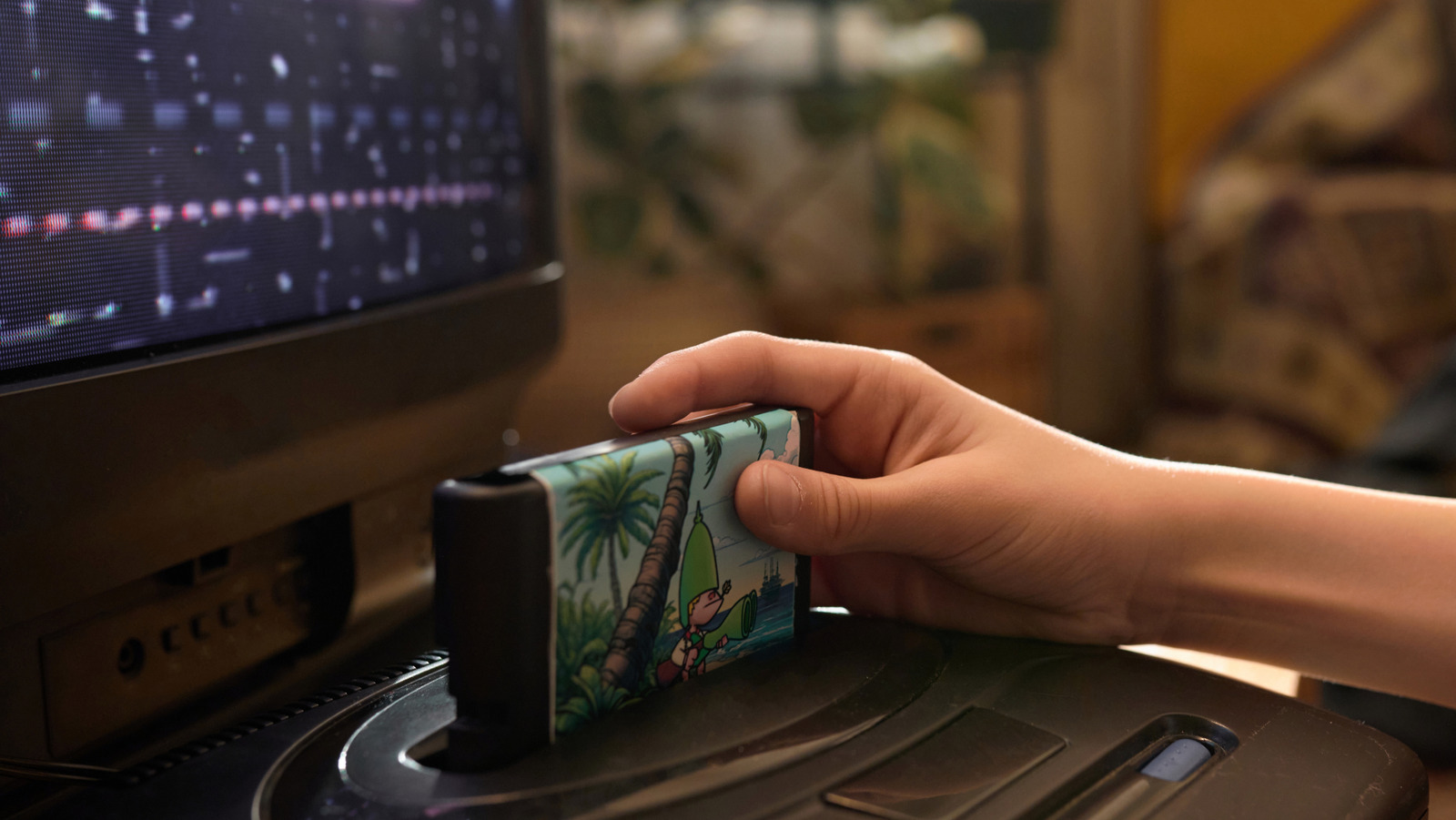
Many people treat old electronics like junk, but CRT TVs break that rule. Modern displays often deliver a sharp, clean picture, yet they struggle to recreate the same authentic look and feel tied to retro consoles and classic PC games. Developers built many older titles around how a tube screen handles color, motion, and scanlines, so the image looks as intended on the hardware of that era.
Because of that, CRT screens still matter and have uses for retro gaming, VHS collecting, and anyone who wants a nostalgia-forward visual style, even while playing something newer. Better yet, finding a solid unit does not require paying premium prices in most areas: Local secondhand spots frequently carry CRTs, and local pickup makes it easier to check the TV’s condition before committing.
For anyone trying to upgrade a retro setup, the key is knowing where to look, and being willing to research. With patience and a bit of luck, good-condition TV units can be found without big spending.
Why CRT monitors are electronics worth buying for gaming
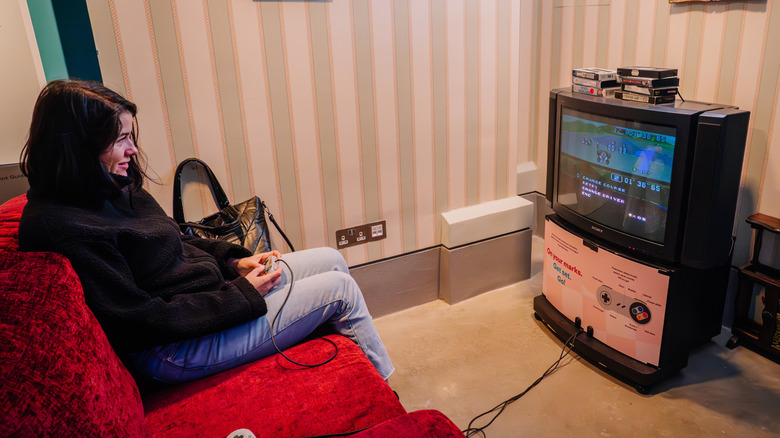
CRT televisions can still deliver a competitive gaming experience, even next to LED, LCD, or OLED options. One major advantage comes from the lack of a fixed native resolution, which lets many games scale more naturally. Instead of forcing older signals into a rigid pixel grid, tube displays typically preserve the original presentation with fewer distracting artifacts.
Speed also plays a major role. These classic displays deliver near-instant response times, which helps reduce the input delay that can affect gameplay on modern digital screens. Scanlines also work in the image’s favor by softening harsh edges in certain visuals, especially pixel art, resulting in a look that better matches what many developers originally imagined.
However, while tube screens often get linked to retro releases from the 1980s and 1990s, they can also enhance some modern titles differently. Many games look smoother in motion, and the overall presentation can feel more cohesive and enjoyable. That said, modern flat screens still win on brightness and sharpness, so the appeal comes from a different kind of image quality, not necessarily a better one.
Visit local thrift stores and e-recycling to buy vintage electronics
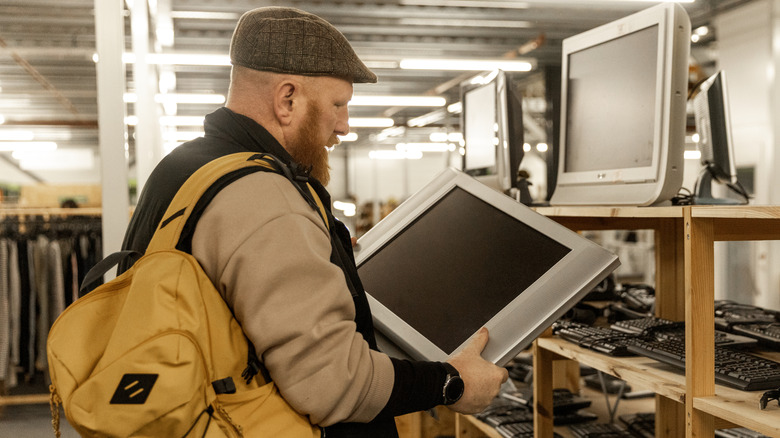
Thrift stores often provide one of the best paths to affordable CRT hunting, especially in areas where locals donate electronics regularly. These CRT screens take up a lot of space, and their bulky shape makes them inconvenient to store. As a result, many people look for any easy way to clear room, which creates steady turnover of CRTs in secondhand shops.
If nearby thrift stores come up empty, e-recycling centers can offer another strong option. These sites frequently receive bulk electronics from many sources, and luck sometimes puts multiple working units in the same place at once. Many devices end up there for convenience rather than failure, so shoppers can still stumble into viable screens at accessible prices.
Buying locally also helps avoid headaches. A quick inspection can confirm the shell condition and whether the image still looks acceptable in person, which matters more than a listing photo. Tube displays weigh a lot, and improper transport can damage them, so local pickup also reduces the risk of shipping-related issues.