Robert Triggs / Android Authority
I’m old enough to remember a time before Spotify heralded the golden age of music discovery. Even the early beta catalog gave me access to far more music than I could ever hope to fit on my iPod Nano, and, more importantly, made discovering new artists and exploring new genres unbelievably easy. Many of us probably owe a huge debt to streaming platforms for shaping our musical tastes and expanding our libraries.
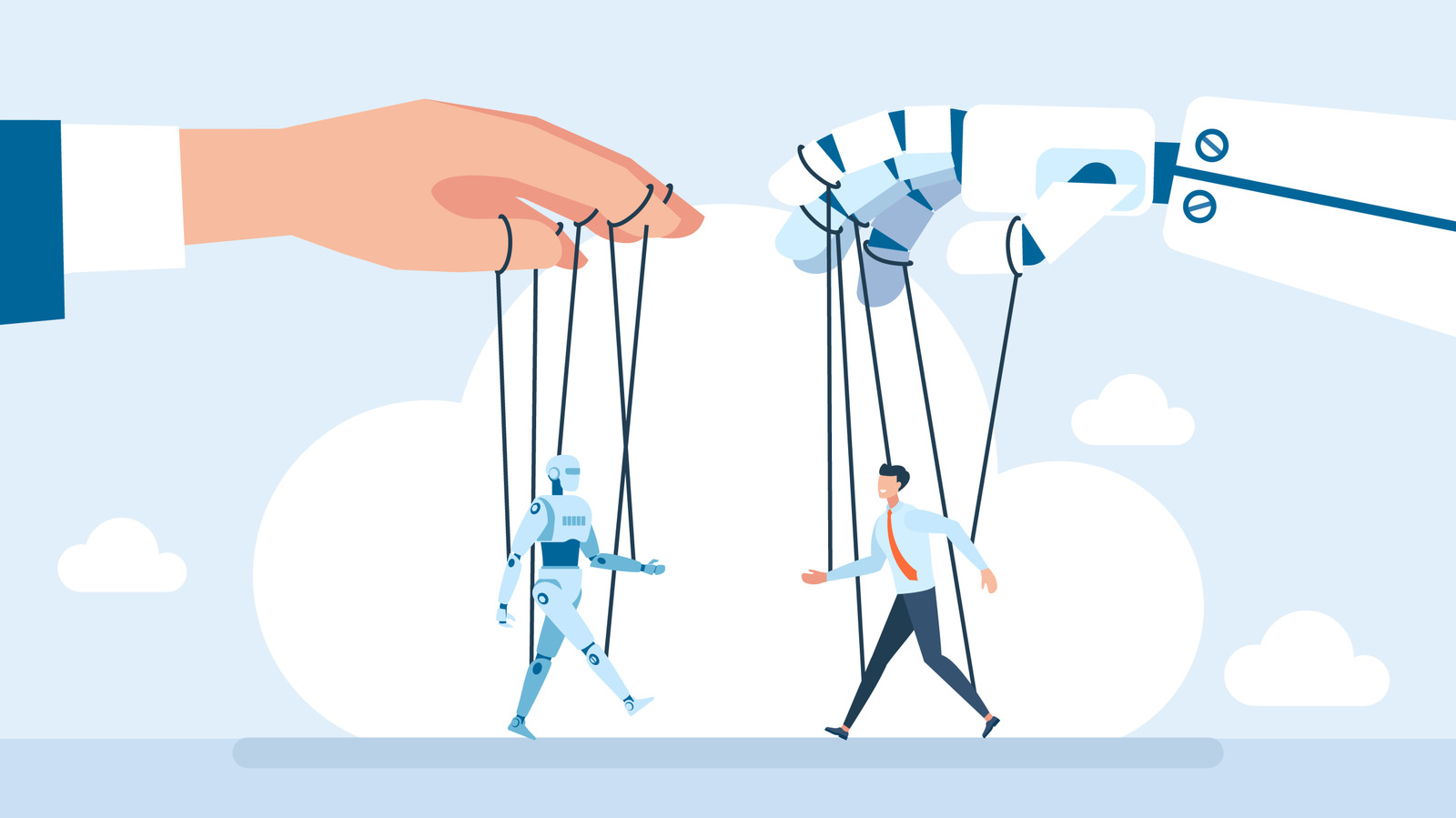
While the music streaming space has grown with both bigger libraries and a variety of new players, many of today’s top streaming platforms are quickly morphing into the very antithesis of the formula that made them such a game-changer. Unsurprisingly, it’s driven by that most modern of problems: AI slop.
I was not the least bit surprised to read this week’s report that YouTube Music is serving up AI-generated spam — to Premium subscribers no less. For better or worse (definitely worse), AI-generated music is here to stay, but the issue reminds me of Spotify’s “fake-artist” controversy, where it was claimed the company commissions music to stuff into their curated playlists, essentially supplanting real musicians with cheaper, stock music.
Are you hearing AI-generated music on your streaming platforms?
16 votes
The cynical rationale is straightforward: platforms pay significantly fewer royalties — or none at all — for commissioned works. If even a fraction of a playlist consists of cheap filler, platforms can save significant sums and boost profits for every hour listened. AI-generated filler is an even better potential revenue stream, as the commission cost is low and AI’s regression to the mean makes it very appealing for hidden filler that blends in.
However, potential playlist stuffing is just a minor concern in the modern music landscape; producers are pumping out AI-generated tunes for a quick buck, and some synthetic artists are even ranking on the Billboard charts. At least some platforms, such as Deezer, now tag AI-generated tracks, and Spotify has implemented new policies to protect artists against impersonation. Still, we’re increasingly exposed to music that isn’t produced by real people, and this trend is likely to worsen.
Regardless of what you think about the quality of AI-generated music, I believe we can probably agree that being recommended this nonsense defeats one of streaming’s primary perks: real music discovery. You can’t go and see an AI musician live; they probably don’t have much in the way of a back catalog worth exploring, and let’s not forget the circular stupidity of algorithmic recommendations based on listening habits that include AI-generated tracks. You listened to this AI musician? Here’s another one just like it. It’s a highway to hell.
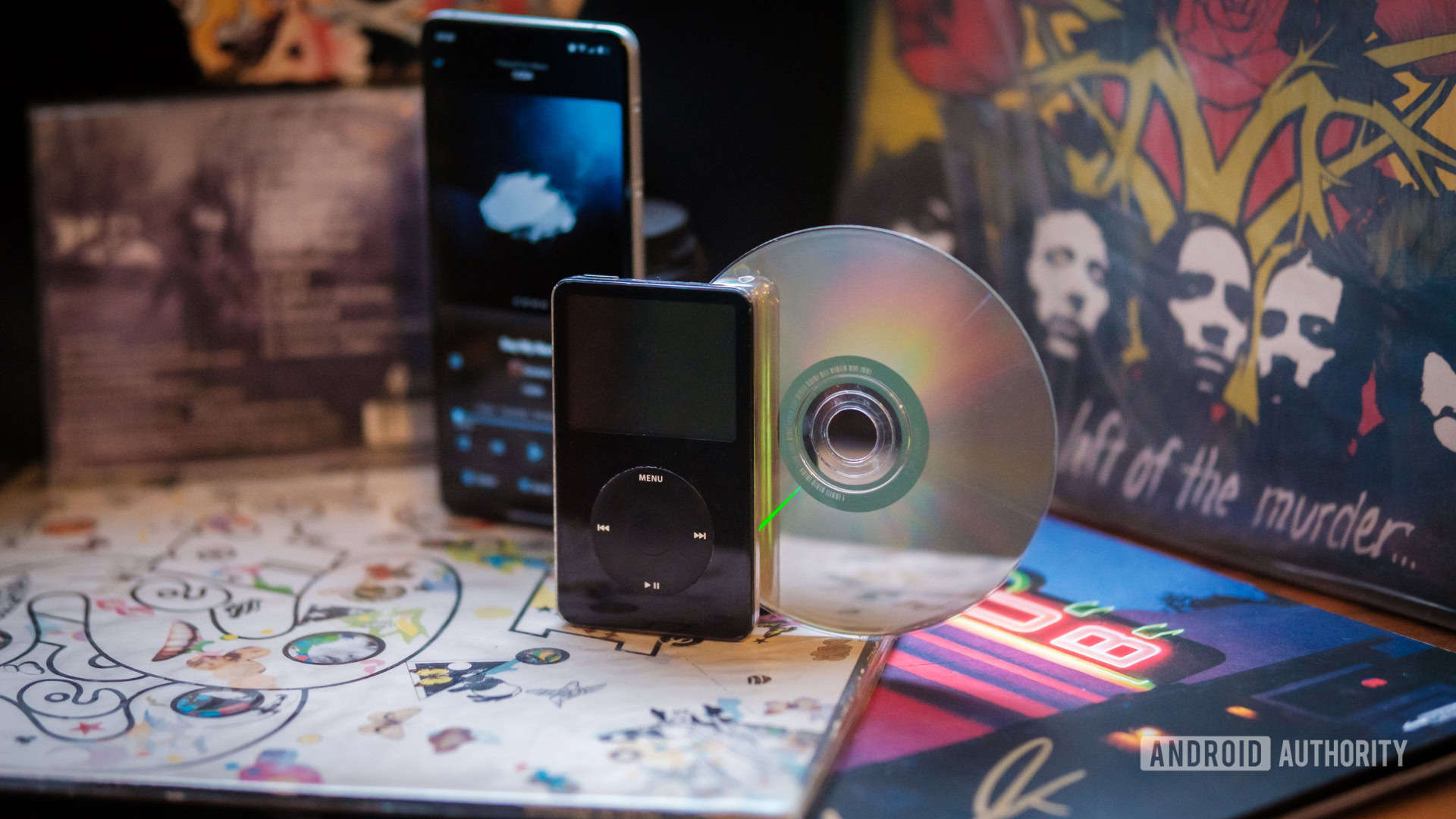
You don’t have to be a serious music fan to worry about what all this means for real art, though it is all the more concerning if you have a genuine interest in reveling in the talents of your contemporaries. If any of this bothers you, it might be time to seriously consider reverting to the old ways of supporting real artists more directly, by owning your own music collection and taking a more manual approach to finding new material.
It’s never been easier to stop renting and start owning

Aamir Siddiqui / Android Authority
Unlike the quagmire of film and TV, it’s still very viable to own your own music library, free from DRM and restrictions. CDs and vinyl remain reasonably popular, making it easy to obtain a physical copy of both classic and modern works. Additionally, the artist receives a significantly higher payment than the pittance per stream, and the music quality is much higher than the compressed media stuffed through the pipes of many streaming platforms.
But even if you don’t want a stack of CDs and vinyl taking up space in your living room (or attic in my case), digital copies are very affordable. I’ve bought a number of new releases from smaller artists on Bandcamp, which usually cost less than the $15 or so I used to spend on a physical release back in my youth. Qobuz has you covered with a substantial library of Hi-Res tracks, if that’s your thing, and these services, along with others, are available in most regions around the world.
Ah, but I hear you say, I don’t have room for hundreds or thousands of CDs on my phone, and I don’t have the time or patience to organize and compress them all to fit either. Well, there’s always some effort involved in configuring any library, but there are plenty of tools out there that can turn this chore into a pleasure.
While streaming dominates, it’s never been easier to purchase, curate, and play your own music library anywhere.
MusicBrainz’s Picard, Mp3tag, MusicBee, and others can help organize even a vast music library with comprehensive metadata from online sources. Some software tools will even help you automatically rip and label new music straight from a CD, such as the enduring Exact Audio Copy. There are numerous tools available to compress a library to MP3, OGG, or AAC formats.
When it comes to playback, the two major self-hosted media servers, Plex and Jellyfin, work great with music libraries, playlists, and metadata organization. They also support phone apps (I use Finamp, but others swear by Plexamp) with streaming and transcoding to bring your music on the go, just like Spotify and YouTube Music, but without the ads and AI. Alternatively, you could opt for Navidrome and Subsonic are similar options but specifically tailored to music playback.
If you’re planning to host your music collection on a NAS, there are several great options to serve up your tunes at home and on the go, and it’s not too much effort to get them up and running. All of this makes ownership easier than ever, but that doesn’t mean streaming is obsolete.
Streaming still has a place, of course

Robert Triggs / Android Authority
Ironically, for an age dominated by music streaming platforms, it has never been easier to purchase, curate, and play your own music collection on any device, whether at home or on the go. The only thing really keeping us tied to streaming is their convenience and low or even free pricing tiers.
I’ll admit that YouTube Music still offers plenty of discovery and other features that many music lovers won’t want to give up, and I’m certainly not advocating for dropping streaming entirely. It still has plenty going for it, especially for casual listeners; however, the best services prioritize the interests of both real artists and listeners, rather than competing against them to pad out their bottom lines.
I still stream, but owning my collection is an escape from ads and AI.
I still dip my toes in the Spotify waters when I’m on the hunt for new music, to find similar artists, or test-drive a back catalog before handing out my credit card info. However, I now use it primarily to chase down new music rather than mindlessly absorb its recommendations. When I want passive, curated playback, well, that’s what my personal collection is for.
Of course, there are less legitimate ways to get around various streaming annoyances. Not that I condone that route, but as the wise Gabe Newell once proclaimed, “piracy is almost always a service problem.” The enduring popularity of Revanced alternatives suggests that those who won’t want to pay for AI slop probably won’t, one way or another. But I think it’s always much nicer to own something.
Don’t want to miss the best from Android Authority?


Thank you for being part of our community. Read our Comment Policy before posting.