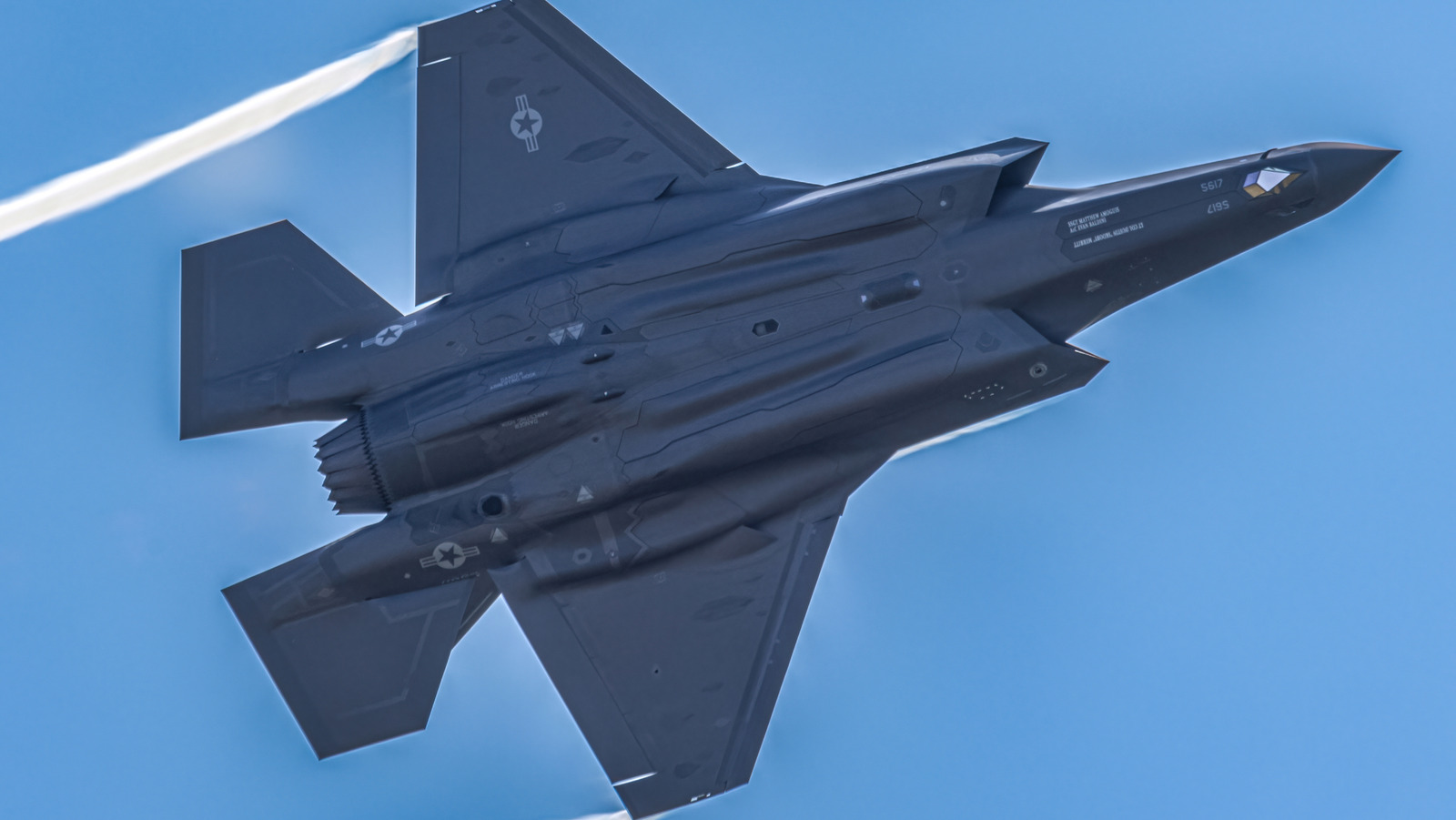
Billed as the most expensive fighter jet in the world, the F-35A Lightning II costs about $82.5 million per jet, with the engine alone costing around $20.4 million. The F-35 program’s lifetime cost is estimated to be about $2 trillion. But it’s also important to consider that, not only is this model technologically advanced, but it’s also designed to combine the capabilities of several fighter jets — all meant for specific tasks — into one, and all under the umbrella of stealth. It effectively replaces multiple aging fighter types that are retired or soon to be, including F-16s, F/A-18C/Ds, AV-8B Harriers, F-15s, Tornados, and more. But perhaps more interesting, Finland has recently taken delivery of the expensive fighter at Lockheed Martin’s production facility in Fort Worth, Texas. It’s part of an upcoming 64-jet program which will start receiving physical deliveries in 2026.
This is happening as next-gen warfare is gearing up, involving hydrogen-powered stealth tanks or tanks with hybrid powertrains like the new M1E3 Abrams, as well as “fifth-generation” battle submarines. Modern warfare will be highly advanced, and fought with technologically superior weaponry — not unlike the new Lockheed Martin F-35A and F-35B fighter jets.
Finland’s decision to acquire the new F-35A highlights its mission to improve air combat capabilities, replacing an aging fleet, and gear up its overall defense portfolio to match the new worldwide direction of modern warfare. Shared during a press update from Lockheed Martin, Finland’s Minister of Defence, Antti Häkkänen, said the country is “investing heavily in national industrial capabilities through industrial participation,” and that the move will benefit “the F-35 program not just locally but also at a more global level.” Finland, as part of NATO, is one of 20 allied nations with plans for the new aircraft, including 13 in Europe. The first aircraft will arrive in Finland in 2026, and will be rolled out for use shortly after.
Why is the Lockheed Martin F-35A so expensive?
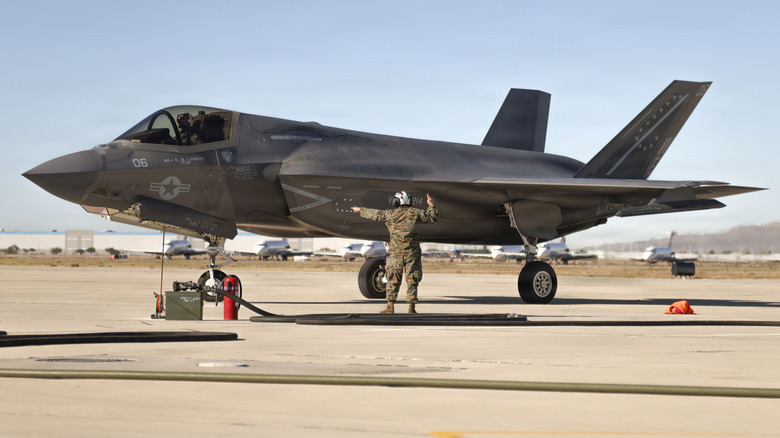
While the F-35A Lightning II is an advanced jet equipped with state-of-the-art technologies — and the attendant production costs — that’s not the only reason it’s so costly. It true: The jet features advanced stealth capabilities, next-gen avionics, and innovative sensors, all designed to significantly improve the expensive aircraft’s survivability and combat readiness. However, operating the aircraft is also pricey: The jet demands software that needs regular attention and updates, and boasts hardware that requires regular maintenance. The Department of Defense estimates that sustainment expenses alone will be about $1.6 trillion over the aircraft’s lifetime. Not to mention, the F-35A program has been around since 2001, with an ever-growing budget and a long history of development.
There are also three variants of the aircraft, including the F-35A Lightning II, meant for conventional landings and takeoffs; the F-35B for short takeoffs and vertical landings, like the Harrier; and the F-35C models, which are carrier-based. The three types are also tailored for the different branches of military and their specific needs. Specializing for the various configurations is likely expensive, more so than producing a single variant of the jet.
Currently, over 1,200 F-35s are operational worldwide, with total flight times for the entire fleet at well over 1 million hours. It will be interesting to see if this new generation of jets sees any improvements to automation or AI-powered systems. The U.S. Air Force has used AI to pilot fighter jets in the past, and with new technologies come new capabilities.