NALA, a pan-African payments startup operating in 18 countries, has partnered with UK-based payments infrastructure provider Noah to launch a cross-border settlement network for Africa and Asia. It will allow merchants in emerging markets to receive stablecoin payments and convert instantly to local currencies.
Building on the March 2024 debut of its B2B payments platform, Rafiki, NALA is deepening its stablecoin payment rails, aiming to speed up dollar flows into emerging markets where SMEs face delays and high costs moving money. The new network, integrated into Rafiki, will allow global firms operating in Africa and Asia to collect funds in US dollars and pay out local currencies within minutes, using stablecoins as a settlement layer.
Both companies are targeting inefficiencies in the traditional payments system, where remittances into Africa and Asia combined have exceeded $460 billion since 2022, yet average fees to Sub-Saharan Africa costs 8.16%, and many Asian corridors charge about 5%, translating into tens of billions of dollars in annual costs and tied‑up liquidity for households and businesses.
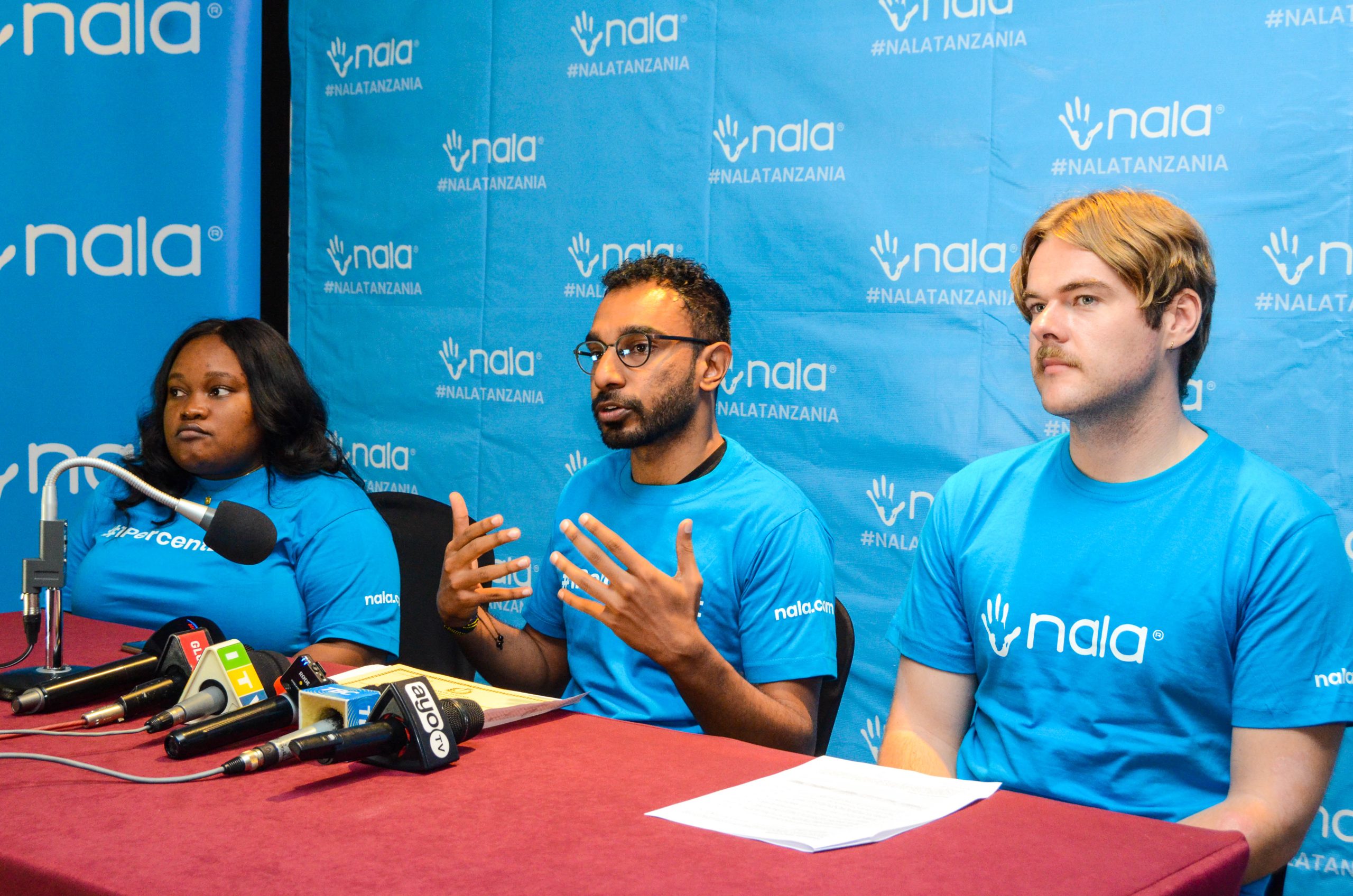
“We built NALA and Rafiki to power global money movement into emerging markets, not just remittances,” said Benjamin Fernandes, NALA CEO and founder. “We’ve seen a 100x demand increase for stablecoin on- and off-ramp in emerging markets over the last 12 months. Access to compliant USD collection and stablecoin settlement at scale has been one of the biggest constraints for global businesses operating in these regions.”
Partnering with Noah allows NALA to offer global account usage, where companies can collect dollars anywhere in the world and pay out instantly in local currencies, all through licenced, regulated rails, said Fernandes.
Cross-border payments into emerging markets remain among the most expensive and operationally complex in global finance. Transfers frequently take two to three business days to settle; businesses must manage fragmented banking relationships, FX spreads, and trapped capital.
Stablecoins, digital tokens pegged to a local currency, have been pitched as a workaround, particularly in countries with volatile currencies or limited access to dollar liquidity. But their use at scale has been constrained by regulatory complexity and the lack of compliant on- and off-ramps linking digital dollars to local banking and mobile money systems.
The Noah–NALA partnership seeks to address those gaps by combining global dollar collection with regulated local distribution. Under the arrangement, Noah provides US dollar virtual accounts that allow businesses to receive funds through standard bank transfers. Those funds are converted into stablecoins in real time, with compliance checks conducted at the point of entry.
NALA then routes the settled value through Rafiki, connecting directly to local banks and mobile money networks across multiple emerging markets. NALA holds more than 10 regulatory licences globally, allowing it to support bilateral conversion between stablecoins and local currencies.
“For years, emerging markets have been underserved by global payment infrastructure that was never designed for its scale, speed, or realities,” said Shah Ramezani, Noah CEO and founder. “This partnership removes structural friction, restores trust in settlement, and gives businesses and consumers reliable access to global money movement. Stablecoins are not the story on their own, they are the rail that finally makes instant, compliant USD settlement possible at scale.”
The launch builds on NALA’s recent positioning as an infrastructure provider rather than a consumer remittance app. The startup said its infrastructure payments volume rose from $0 to $1 billion in 18 months; it grew its business fivefold and its revenue tenfold in the past year, with demand driven by global businesses seeking faster settlement and predictable access to dollars in emerging markets.
Rafiki, its B2B application programming interface (API) payments product, has expanded by 30x in the last 12 months, and now counts MoneyGram among its partners, according to the startup.
Use cases include global payroll, platform payouts, treasury management, and merchant collections, areas where settlement delays can materially affect working capital. For businesses and individuals in high-inflation economies, access to dollar-denominated accounts converted into stablecoins can also serve as a form of value preservation.
While regulators globally continue to scrutinise stablecoins, particularly around reserves, systemic and monetary risks, startups like Noah and NALA are betting that compliant infrastructure—rather than consumer crypto speculation—will drive the next phase of adoption.
The partners said the stablecoin settlement network will operate round-the-clock, independent of local banking hours, positioning it as an alternative layer for some of the world’s fastest-growing economies.