Smart light bulbs are often a gateway for anyone interested in smart homes or automating some aspect of their house. The promise of controlling lights with just your voice or using your smartphone can be alluring, especially because these devices also come with plug-and-play installation, making them even easier to use. However, this convenience can come with issues.
One issue is that a smart light bulb might have problems communicating properly with a building’s electrical system. For example, you can configure all the automation perfectly with your smartphone, but the moment that someone flicks the wall switch off, all control is lost. If the smart bulb doesn’t have power, it will become just another light bulb, forcing the user to turn it on manually.
However, there are better alternatives for those looking for automation but also want to spend their money more wisely. Smart light switches are the best choice, since they can maintain an electrical connection regardless of how they are used, offering more reliable control for the user, more opportunities to use them, and fewer interruptions.
Smart switches solve the biggest smart bulb problem
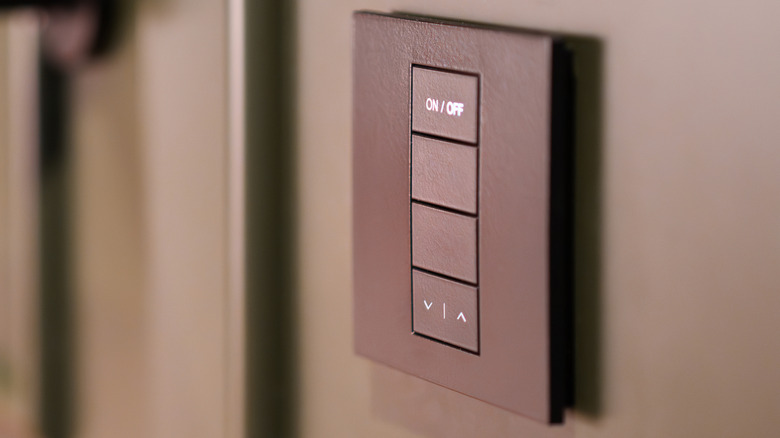
Smart light bulbs are handy for those who want to turn their house into a smart home, but standard wall switches can be a problem. Standard home wiring is designed to physically cut the power when a switch is turned off, and in turn, will turn off smart light bulbs, which rely on a continuous flow of electricity to stay connected to the internet.
It can be tough to remember not to turn off a switch connected to a smart bulb. It’s ingrained in our daily routine, but doing so will take your smart light offline often, and it can become a process to reconnect it to the smartphone app or hub. There are solutions like putting tape on a switch, but while some of these tricks might keep the power on, they also aren’t practical long-term solutions, especially for homes with children, elderly relatives, and guests.
Smart switches are the perfect solution since they fix the issue at its source. It’s easier to replace the wall switch than to try to prevent people from switching it off. A smart switch works just like a normal button, so it’s easy to turn the lights on or off. However, unlike a standard switch, it never actually cuts the power, making it possible to control the lights with your phone without worries.
Replacing switches is often cheaper than bulbs
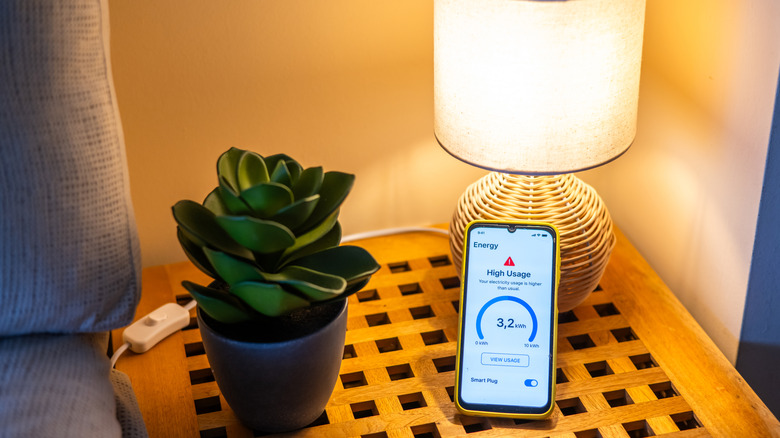
Depending on the room size or how many smart light bulbs you intend to have in your home, buying a smart switch might be cheaper. Smart light bulbs are cheaper individually, but these devices often need to be bought in bulk, since one alone may not be sufficient to light up a room. If you plan to set up automation in other parts of your home, the price will be costlier, especially if you’re purchasing quality products.
Typically, you can get away with buying just one smart switch per room, as one can control all of the light bulbs installed on the same circuit. If you have a ceiling fan with more than one light bulb or a big living room, you’d need to purchase multiple smart light bulbs for that area.
Another point to consider is repairs. Smart light bulbs are consumable items, and they’ll eventually burn out and need to be replaced. Bulbs will still burn out on a smart switch, but since they can still be standard LEDs, the cost to replace is much cheaper.