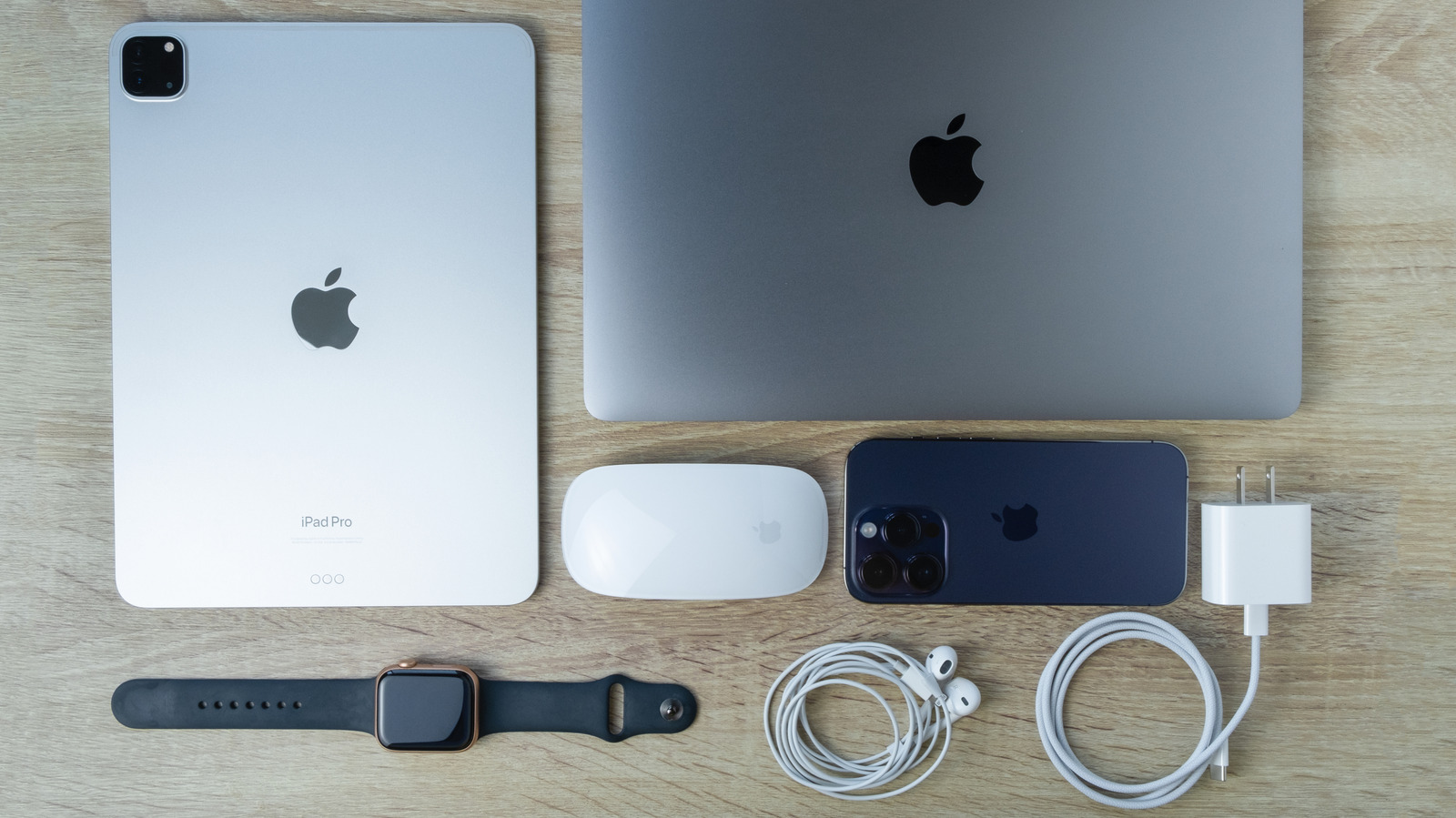
It looks like the world of AI-powered wearables may have a new Apple device to contend with in a year or so. According to a report from The Information, Apple is working on a wearable pin that’s roughly the size of an AirTag, and it could be available for purchase by early 2027. The report further elaborates that the pin will have a flat disc shape and a chassis made of aluminum and glass. It will also feature both a standard and wide-angle camera lens, three microphones, a speaker, a side-facing button, and a magnetized charging interface.
Our own Chris Smith said back in 2024 that he’d be first in line for an Apple smart ring. While the still-unnamed device isn’t a ring, we’re willing to bet it’ll bring some of the same fitness capabilities to the table. The AI pin announcement also broke on the heels of some additional Apple reveals; primarily, that the company is looking to turn Siri into a chatbot in time for iOS 27. There are also rumors floating around that we could see Apple smart glasses (and maybe even AirPods with built-in cameras) at some point in 2027.
Apple needs an AI win
On the one hand, it’s always headline news when Apple introduces a new product line. If there’s a single massive tech company that has the capital to invest in AI implementation, it’s Apple, and the company needs a win after the disappointing debut of Apple Intelligence. That said, the failed Humane Ai Pin was a rough start for this type of wearable tech, and the eye-watering $700 price didn’t help matters in the slightest. Frankly, Apple could also do with a bit of an AI reset, at least as far as the company’s public image is concerned.
While Apple Intelligence has made tremendous strides over the last couple of years, first impressions are critical for consumer tech, and it’s hard to forget Apple fumbling the AI ball while the competition was thriving. At this stage of the game, the Apple AI pin is still in early development, which means it’s still up in the air whether or not a finished product will see the light of day. Apple might want to at least wait and see how its Siri chatbot stacks up against rivals from OpenAI, Google, and Microsoft later this year.