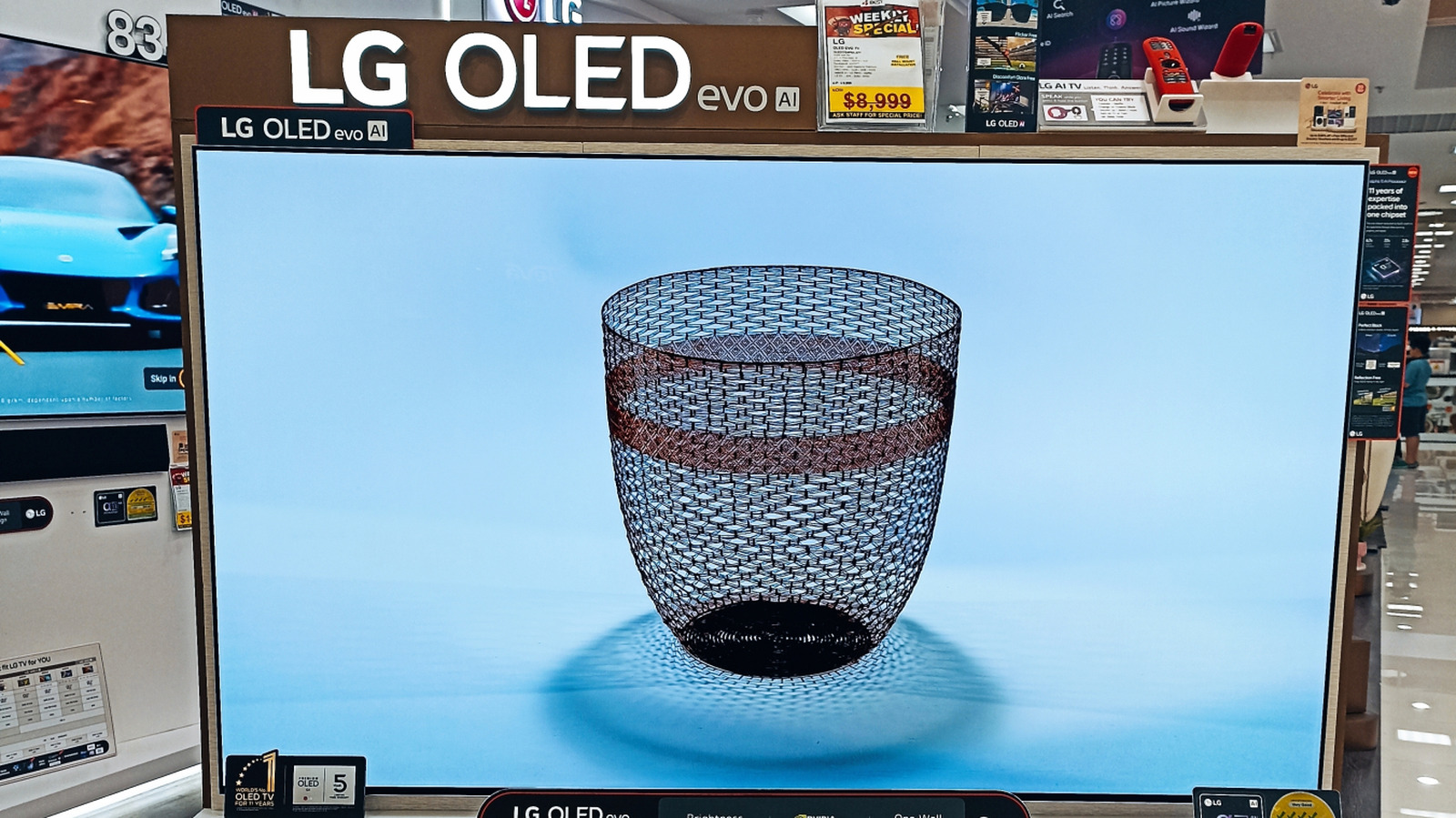
If you’re looking for a TV that delivers rich colors and the kind of black levels that put actual movie theaters to shame, you should consider an OLED TV. The acronym stands for “organic light-emitting diode,” a panel type that signaled a major shift in display technology for TV makers. One of the biggest reasons manufacturers moved to OLED production was the panel’s ability to use individually self-emissive pixels instead of an LCD panel with LED backlighting. The result was something LCD panels struggled with at the time: unbeatable black levels, near-perfect contrast, and a thinner chassis.
While early OLED TVs carried eye-watering price tags (one of LG’s first sets was nearly $10,000), growing competition and expanded panel production helped bring costs down, solidifying OLED’s role as a go-to choice for premium televisions. Nowadays, brands like LG and Samsung — two of the most reliable smart TV brands on the market — produce industry-lauded OLED TVs at multiple price points.
Generally speaking, OLED TVs are more expensive to produce than LED LCDs, and that usually translates to the former being priced a bit higher in stores and online. And while LED LCD technology has continued to get brighter, thinner, and more affordable with each new generation, issues like light bloom, flat contrast, and poor image quality when viewed from the sides have remained. These are all picture maladies that pretty much don’t exist for OLED owners because of how much lighting and color control those self-emissive pixels deliver.
OLED inspired QLED … which inspired OLED
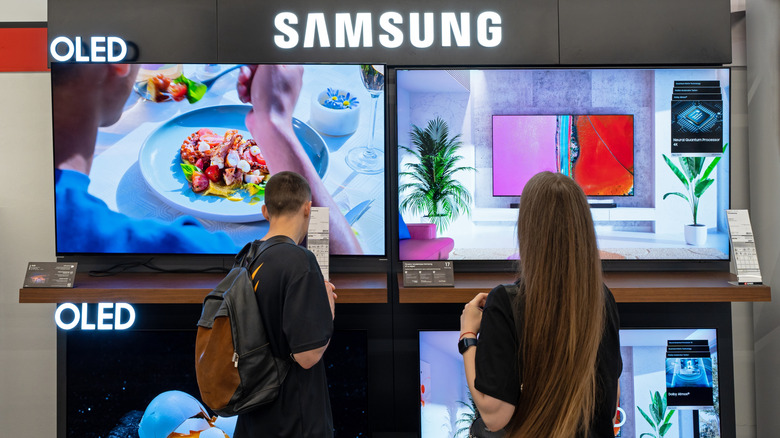
The Samsung S95F OLED is one of the best TVs to buy on Amazon, according to experts, and part of what makes its picture so great is quantum dot technology. Interestingly, quantum dots were originally an LCD feature that emerged in response to OLED TV production. LED sets needed a way to compete with the rich colors and superior viewing angles that OLEDs introduced, and a layer of quantum dots was the answer. By refining how light is converted into pure red and green wavelengths, quantum dots allowed LCD TVs to deliver wider color gamuts and higher peak brightness levels, without abandoning LED backlighting. This also led to a new picture tech acronym: quantum dot-light-emitting diode, or QLED.
Brands like Samsung later adapted this same technology for OLED panels, combining a blue OLED light source with a quantum dot layer to create QD-OLED. The hybrid approach preserves OLED’s near-perfect contrast and black levels, while boosting color volume and brightness, helping models like the S95F deliver a more vibrant, HDR-friendly picture than earlier OLED generations.
In a way, we’ve come full circle: OLED, QLED, and even traditional LCD TVs deliver better picture quality than ever before, and at far more reasonable prices. But had TV makers not shifted focus to OLED for a time, the modern world of 4K HDR TVs could have literally looked a lot different.