You’ve just bought yourself an expensive TV, paid a hefty price to get it properly insured, and gotten all the accessories needed to make the perfect home theater setup. All that remains are the cables, so you shouldn’t skimp out at the last second, right? Does your latest OLED need the best, priciest HDMI cable so it can function optimally, or would any bargain-bin cable do the trick?
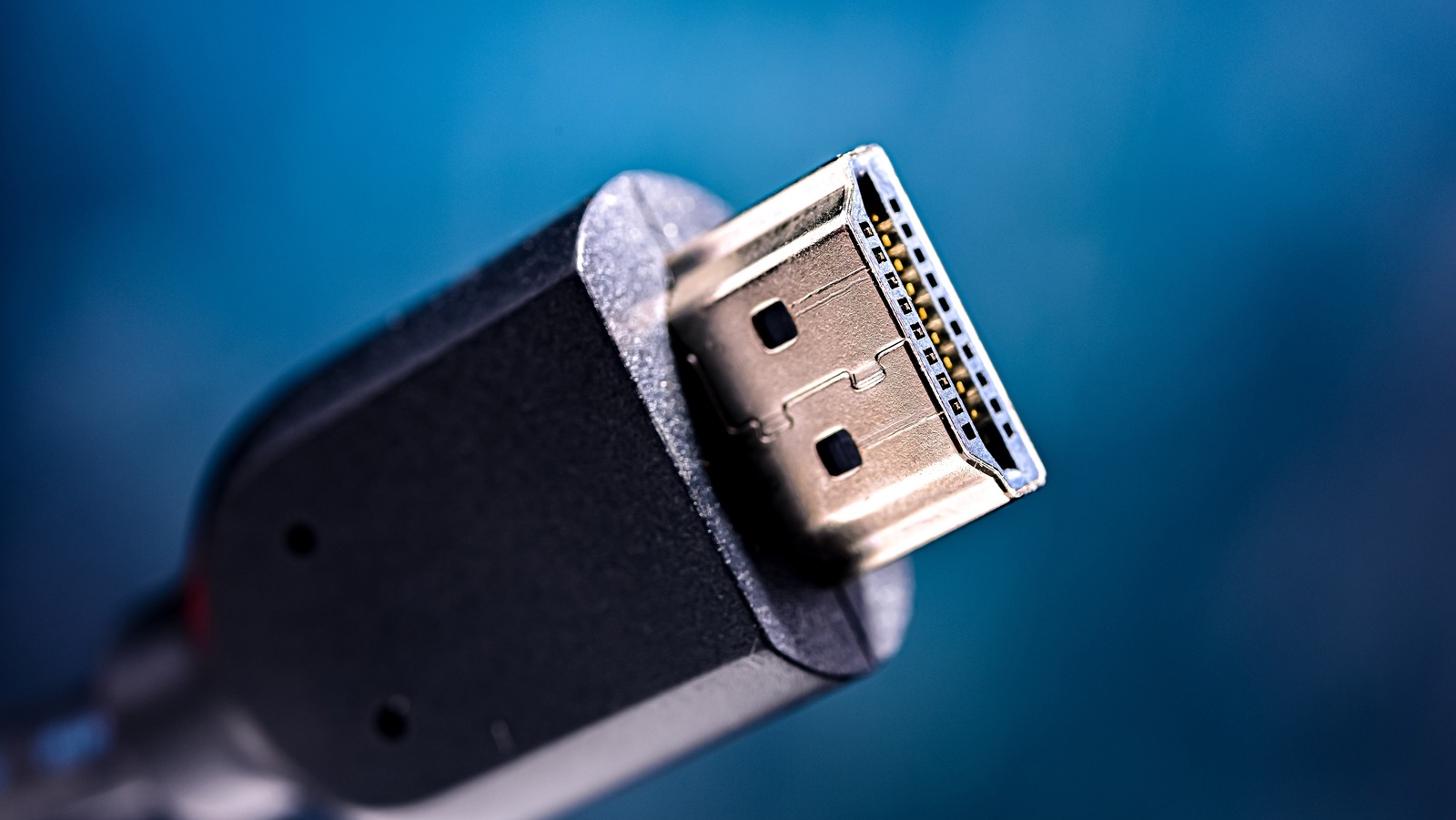
The price isn’t usually a direct factor, but it can still affect things. Expensive HDMI cables can be more reliable than cheaper ones under certain circumstances, but more often than not, any HDMI-certified cable will do the same job regardless of its price. What matters more is the type of HDMI cable, and while the latest ones are more expensive, the difference between those offering the same technology is minimal. An HDMI 2.1 Ultra96 HDMI cable supporting 48Gbps will offer an improvement over an old HDMI 2.0 with its 18Gbps (provided the signal being transmitted needs more bandwidth, as in 4K), but there will be no difference between the graphics displayed by two differently priced Ultra96 HDMI 2.1 cables.
Your picture quality being improved by more a expensive cable is just one of many HDMI myths that you need to stay away from. The HDMI cables simply transfer a digital signal from a source to a receiver; so long as the cables are certified to support an appropriate bandwidth, the cable technology can’t exactly improve on the image beyond what’s being sent from the source. However, even if the quality of the image being shown isn’t a factor worth taking note of, it doesn’t mean that there aren’t other things that justify getting more expensive cables.
When to pay more for a cable
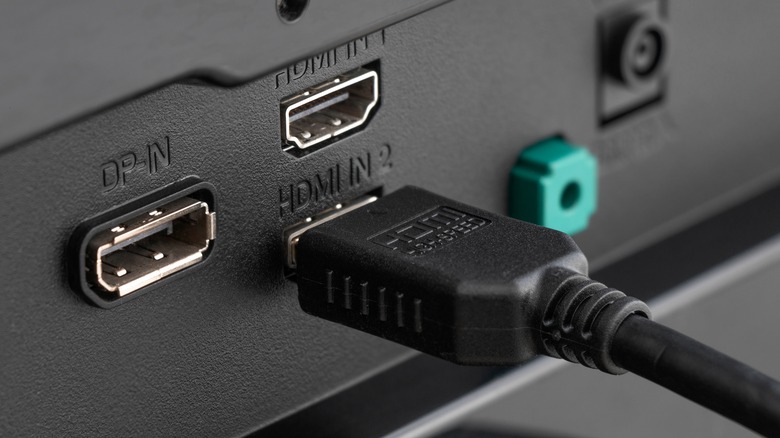
The signal itself can’t change, but the difference between a cheaper and an expensive HDMI cable does matter when you talk about longevity, physical durability, and range. Pricier cables from well-established manufacturers will ultimately have certain advantages over others — it’s just a matter of what you desire.
Put simply, a cheap cable from China will be made differently and might not last you the same time as a more expensive one with a nylon-braided outer jacket. It also won’t be as resistant to external damage and wear as something using stronger materials for the outer covering. Similarly, if you’re transmitting signals over long distances, getting a more expensive, specialized cable can be a worthwhile purchase. For this, users recommend getting a Ruipro cable.
Another reason to not skimp out too much is the authenticity of a proper seller. The HDMI standard is almost foolproof, showing an error once every billion bits. This means that, for every time a billion pixels get displayed, a single pixel on the screen can show an error. This can’t be seen by the naked eye, and, even if it was, most modern TVs come with error correction that can adjust the pixel accordingly. This is only if the standard is followed properly, though. As a user on Reddit tested, getting a non-certified cable can give you worse results. This doesn’t mean you need to buy the latest, most expensive cable from a reputable seller; you just need to be careful to not pay too little.