Don’t say this one-word response to any unknown caller
If you are confronted by a caller who asks you, “Can you hear me?”, the best way to respond is to say something like, “I hear you.” In the U.S., saying “Yes” over the phone can make a contract binding although this is not the case for certain transactions such as Real Estate, High-valued goods that cost more than $500, an agreement that cannot be completed within one year, and when promising to pay someone else’s debt (as a “guarantor”).
A short 3-second conversation can become a full, fraudulent conversation that never took place
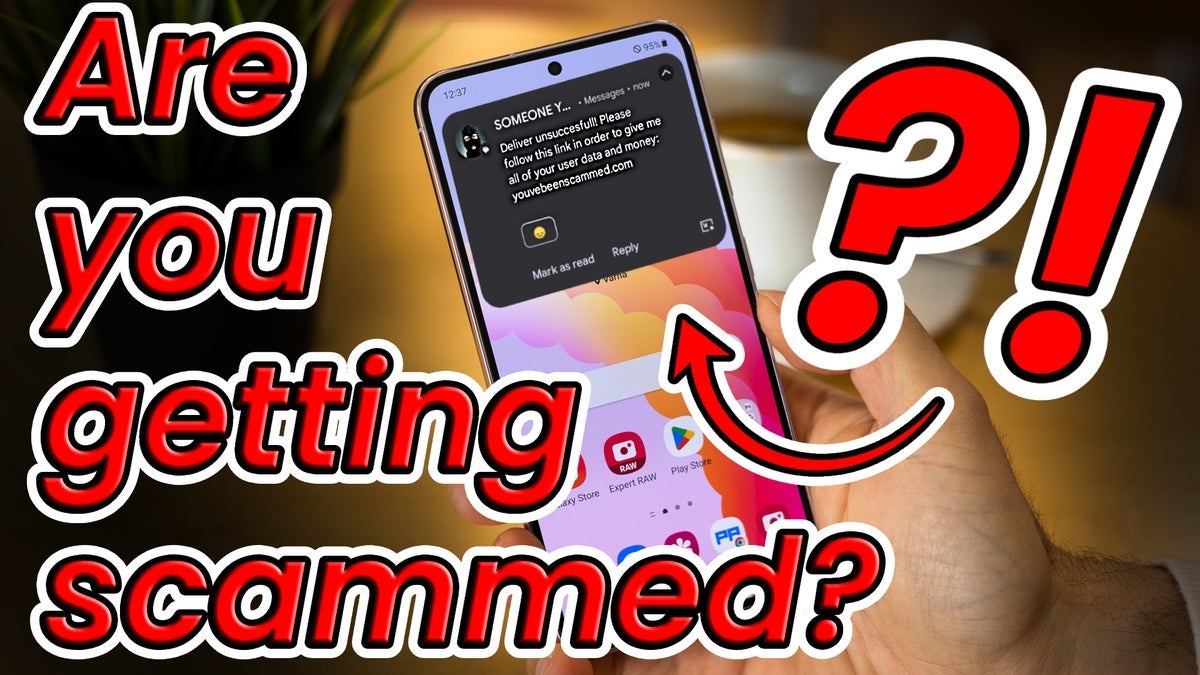
In 2026. all it takes is three seconds of you saying “Yes, I can hear you,” to allow criminals to recreate your voice and use it to fool banks and even family members with a full, fraudulent conversation that you never had. And even if you slip and say the word “Yes” and get emboldened because you weren’t the victim of a ripoff right away, just saying “Yes” to a question could result in having your number listed as a “High-Value Lead” on lists sold to other scammers.
The good news is that while verbal contracts are binding in the U.S., you might be able to get out of having to follow through on the contract you unwittingly agreed to. For a contract to be valid, there has to be Mutual Intent. Answering in the affirmative about whether you can hear the caller does not show that you had the intent to buy an encyclopedia set. If a company is demanding that you pay for something based on a short clip of you saying “Yes,” you have the right to demand the full recording. These often include sounds indicating that the tape was spliced, which makes it inadmissible in court.
Check out these tips
Here are some more practical tips. First of all, again, try not to answer any questions using the word “Yes.” I know it’s easier said than done. You all know the 5-second rule when it comes to food you’ve dropped, right? If you pick up a dropped meatball within five seconds, it is supposed to be okay to eat according tot he rule. Well, when it comes to scam and spam calls, apparently there is a 3-second rule. If you don’t recognize the voice of the person who has called you within 3-seconds, hang up on them immediately. It’s a simple rule that probably is quite effective.
Lastly, if you do receive such a call filled with obvious attempts to get you to say “Yes,” don’t simply hang up and forget about it. File a complaint with the Federal Trade Commission (FTC) by emailing them at reportfraud.ftc.gov. Now let me ask you, did you learn anything from reading this article? Gotcha!