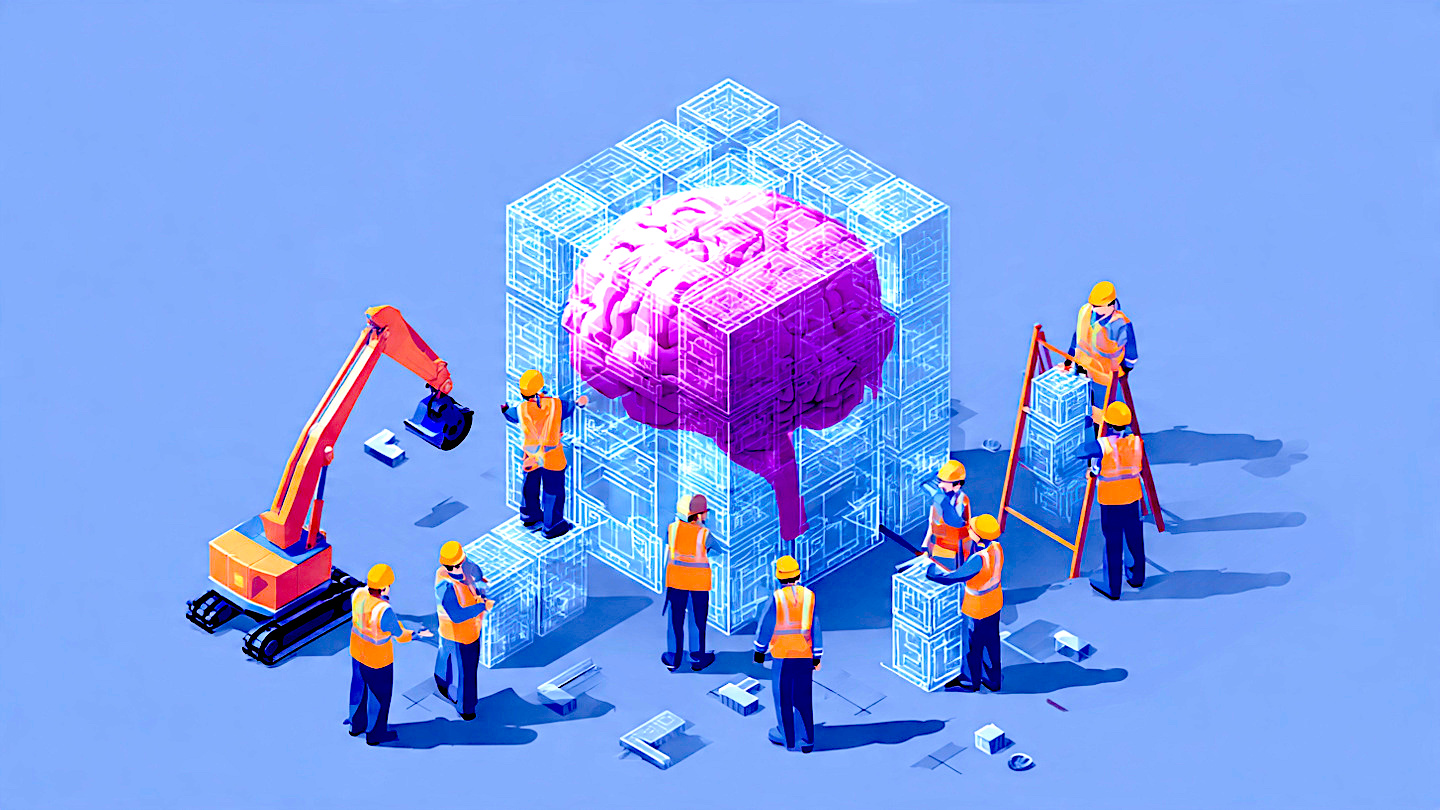
Despite the hype, the enormous potential business value of artificial intelligence is not going to materialize spontaneously.
Digital workplace leaders must guide their organization toward an era in which AI is not only creating tangible business value, but becomes a critical competitive differentiator and industry disruptor. Here is how digital workplace leaders can build the foundation for a living, adaptable AI strategy, and take it from strategy to execution.
The foundation of an AI strategy
The foundation of an AI strategy is about vision, drivers and risks. It should focus on the essence of what an organization wants to achieve with AI, and be fully aligned with its business strategy.
Digital workplace leaders should have regular discussions with relevant stakeholders, including C-level managers. Together, they should identify and formulate a vision that answers the question about the importance of AI to the organization, given its business goals, current market circumstances and competitor activities.
Then, digital workplace leaders must identify what key business and technology trends are driving the priority and planning goals set by the AI strategy. In terms of business trends, they should identify things like how AI will impact society or specific markets that are relevant to the organization.
Finally, digital workplace leaders need to guide the stakeholder group to help identify where strategic risks may lie. Together, the group must be conscientious of compliance, ethics, security and reputation, as well as other areas that the use of AI might pose risks to. And then, the group must be able to identify action plans to mitigate those risks.
From strategy to execution
An AI strategy is all about setting goals. To achieve value realization from AI, digital workplace leaders need to put their strategy into action. However, the specific AI initiatives that make up the strategy are managed within what’s known as the AI portfolio. The AI strategy outlines the overall priorities, ambition level and how much the organization is willing to invest in AI. The strategy typically mentions a few examples of AI projects to make it more practical. It’s the AI portfolio, not the strategy itself, that keeps track of all the ongoing and planned AI initiatives and use cases.
For the AI operating model, the adoption section of the AI strategy identifies the key capabilities and the planning of their required maturity to enable timely execution on the strategic goals. This strategic planning sets the goals for a more detailed roadmap that is driving the maturing of the AI operating model. The roadmap is meant to bridge the gap between current and required readiness of AI capabilities.
To develop the value and adoption sections of the AI strategy, digital workplace leaders can begin with identifying strategic value priorities for the AI portfolio. Questions they must ask should include, for example: What are the levels of ambition with respect to applying AI? Will AI be used mostly to improve existing business, or to extend or even disrupt business?
In essence, digital workplace leaders must identify in which business areas there are the most important opportunities for AI to create real value. After they have identified strategic value priorities for the AI portfolio, digital workplace leaders can then begin to set adoption planning goals for the AI operating model.
Not all AI initiatives require the same level of maturity in terms of capabilities. For example, some initiatives may employ existing tools and require only limited capabilities for implementatio, whereas other initiatives may be highly complex in terms of technology or change management and require very advanced capabilities.
However, such riskier initiatives and the required maturity of capabilities may still be prioritized to fulfill a more ambitious AI vision. In other words, a higher level of ambition, for example using AI for disrupting an industry, must go hand in hand with a higher risk tolerance.
Frequent alignment with other strategies
An AI strategy should not be developed and then frozen. AI is evolving rapidly and any AI strategy needs to be frequently revisited. Moreover, the AI strategy is not to be seen or executed in isolation. Business continuity and competitiveness depend on the active alignment and frequent adaptation of both AI and business strategies.
Digital workplace leaders can keep the AI strategy up to date by frequently aligning or realigning it with the business strategy and vice versa while continuously seeking synergies with complementary strategies such as digital/IT, and data and analytics strategies.
They can do this by ensuring that AI strategy development and maintenance is a recurring item on the agenda of c-level meetings, so that they can monitor strategic execution and initiate realignment or other corrective actions when deemed necessary. This will allow digital workplace leaders to achieve tangible business value from AI that goes beyond the status quo, allowing their organization to become a critical competitive differentiator and industry disruptor.
Pieter den Hamer is a vice president in Gartner Research, covering artificial intelligence and related topics such as data science, optimization and decision intelligence. He is also a key initiative leader of Gartner’s generative AI resource center. Pieter and other Gartner analysts will provide additional insights into digital employee experience, leveraging generative AI and improving technology adoption at the Gartner Digital Workplace Summits taking place March 23-24 in San Diego, April 27-28 in London, and Aug. 26-27 in Tokyo.
Image: News/Meta AI
Support our mission to keep content open and free by engaging with theCUBE community. Join theCUBE’s Alumni Trust Network, where technology leaders connect, share intelligence and create opportunities.
- 15M+ viewers of theCUBE videos, powering conversations across AI, cloud, cybersecurity and more
- 11.4k+ theCUBE alumni — Connect with more than 11,400 tech and business leaders shaping the future through a unique trusted-based network.
About News Media
Founded by tech visionaries John Furrier and Dave Vellante, News Media has built a dynamic ecosystem of industry-leading digital media brands that reach 15+ million elite tech professionals. Our new proprietary theCUBE AI Video Cloud is breaking ground in audience interaction, leveraging theCUBEai.com neural network to help technology companies make data-driven decisions and stay at the forefront of industry conversations.