Whether you’re reading about the impending AI bubble bursting or about the video game industry’s mass layoffs and cancelled projects, 2026 does not feel like a hopeful time for gaming. What’s more, games journalists – as well as all other kinds of journalists – have been losing their jobs at alarming rates, making it difficult to adequately cover these crises. Donald Trump’s White House, meanwhile, is using video game memes as ICE recruitment tools, and game studios are backing away from diversity and inclusion initiatives in response to the wider world’s slide to the right.
The manosphere is back, and we’ve lost mainstream feminist websites such as Teen Vogue; bigots everywhere are celebrating what they see as the death of “woke”. Put it all together and we have a dismal stew of doom for someone like me, a queer woman and a feminist who’s been a games journalist and critic since 2007.
Everything I just listed off in that paragraph speaks to an urgent need for something different. This is why I’m launching a gender and identity-focused gaming publication called Mothership. It’s independent and worker-owned; it will rely on subscribers’ support to exist. Mothership will focus on reporting on the good and bad of modern-day game-making – alongside investigations, reviews, criticism, and historical deep dives into games and developers who paved the way to now. It will be a website for people who read the news with dread, including gaming news, and worry that Gamergaters got what they always wanted. And it will be a place for readers who wish there was something like a Teen Vogue, but for games (and without a corporate owner to kneecap it).
After all, the last two decades have seen a lot of actual, valuable change, and modern games are evidence of that. We exist, now, in a gaming world with more female characters, more non-binary characters, more queer characters, and more characters who don’t fall into rigidly defined gender stereotypes. The GDC State of the Game Industry survey for 2025 found that 66% of surveyed game developers were male, compared with 75% in 2020, and 94% in 2009.
More people than ever can now see themselves reflected in game characters, and more diverse development teams are creating them. But change has not come easy – and we’ve seen a lot of backlash to this progress. Few websites still in existence are able to cover this backlash while also keeping their reporters safe and motivated to continue.
I have dreamed of founding a website like this for a long time; it’s not as if readers haven’t wanted it before now. The problem I saw with the idea was not that people wouldn’t want it, but rather that I didn’t see a good way to pay for it. Journalism has been facing a monetisation crisis since the advent of the internet. It’s hard to convince readers to pay for something they are used to getting for free.
But I know the readers are there. In the mid-2010s, I worked for a small “geek girl” feminist website called the Mary Sue, and it was a unique pleasure to write very specific articles for a very specific audience. The Mary Sue relied on advertising income, which meant that all of us had to write up to six articles every weekday; there wasn’t time to spend on investigative reporting, for example, or long-form critical essays. I’m still proud of what we achieved, despite the intensity of those working conditions, not to mention the amount of harassment we faced just for existing. But I always dreamed of working for a place that had the same editorial remit without the harsh working conditions and quotas.
Later, I left the Mary Sue and went on to work for Kotaku and then Polygon, both huge games websites where I was writing for broader audiences, rather than the hyper-specific one we catered to at the Mary Sue. As I watched many smaller games websites crumble over the course of the 2010s and 20s, I figured this was the only type of games website that was going to survive. The idea of working for a small, feminist games website – my dream – increasingly looked like an impossible speck of starlight in a far-off galaxy.
But then, in the summer of 2025, my then-employer Polygon underwent a mass layoff and acquisition. We went from a staff of 42 people to just eight. After a particularly disheartening video call with our website’s new owners, I realised I was going to have to quit. Every piece of the dream felt well and truly dead. I had not got into journalism to be taken advantage of by people who saw me and my colleagues as so easily replaceable as to be barely human.
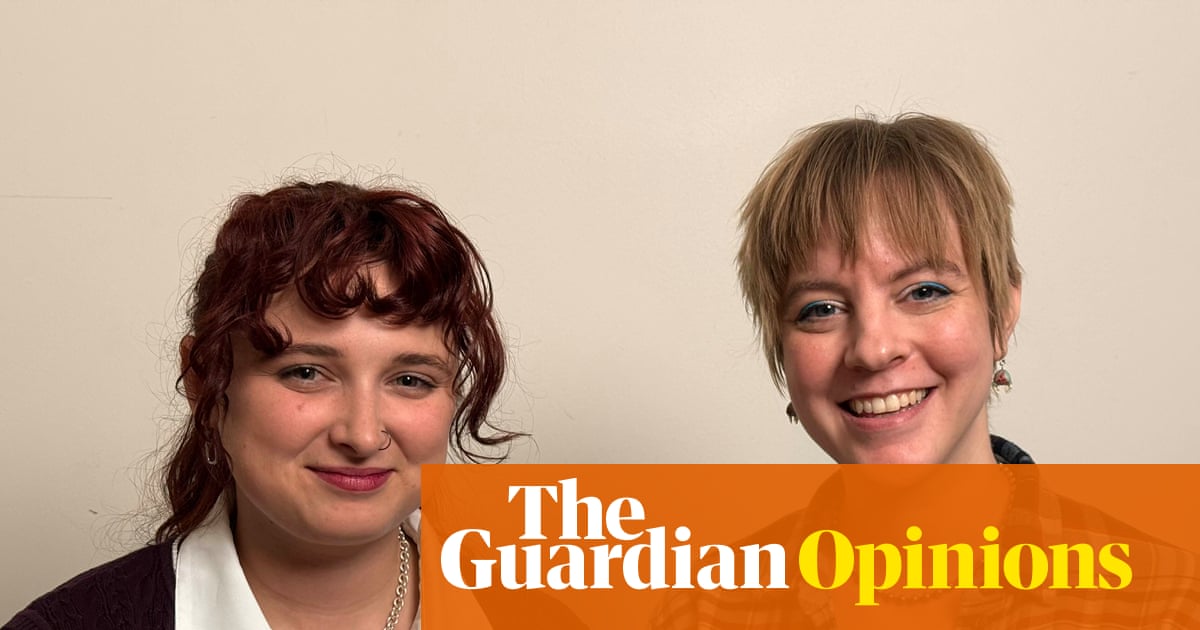
Another one of my colleagues at Polygon – Zoe Hannah, games editor – quit as well, for similar reasons. She hit me up with an idea she had for a feminist games website. “You should do it,” I told her. And then I sat there for a moment and thought about it. No, we should do it! This was what I had wanted to do, before the industry had transformed me into someone so gnarled and jaded that I no longer believed it was even possible.
Six months on, after many DMs with former colleagues from Polygon, the Mary Sue and Kotaku, plus other notable writers who’ve covered gender and identity in games – Zoe and I are launching Mothership together, today. We have had the benefit of advice and inspiration from many other independent, worker-owned outlets that have come before us, such as Defector, the Flytrap, and Aftermath. Already, we’ve surpassed 1,200 paid subscribers. (I knew the readers were there.) And we don’t need millions of them. Mothership is a publication for a very specific audience: the people who don’t fit the mould of the masculine, hardcore gamer image that marketing and pop culture have been dishing out since the 90s. We want to serve this audience well.
I believe our website is a necessity in our current political climate. It should have existed before, when I and millions of other girls who grew up playing games were made to feel out of place by media and advertising that was laser-focused on teenage boys. But it’s not too late for me to make sure it exists now.