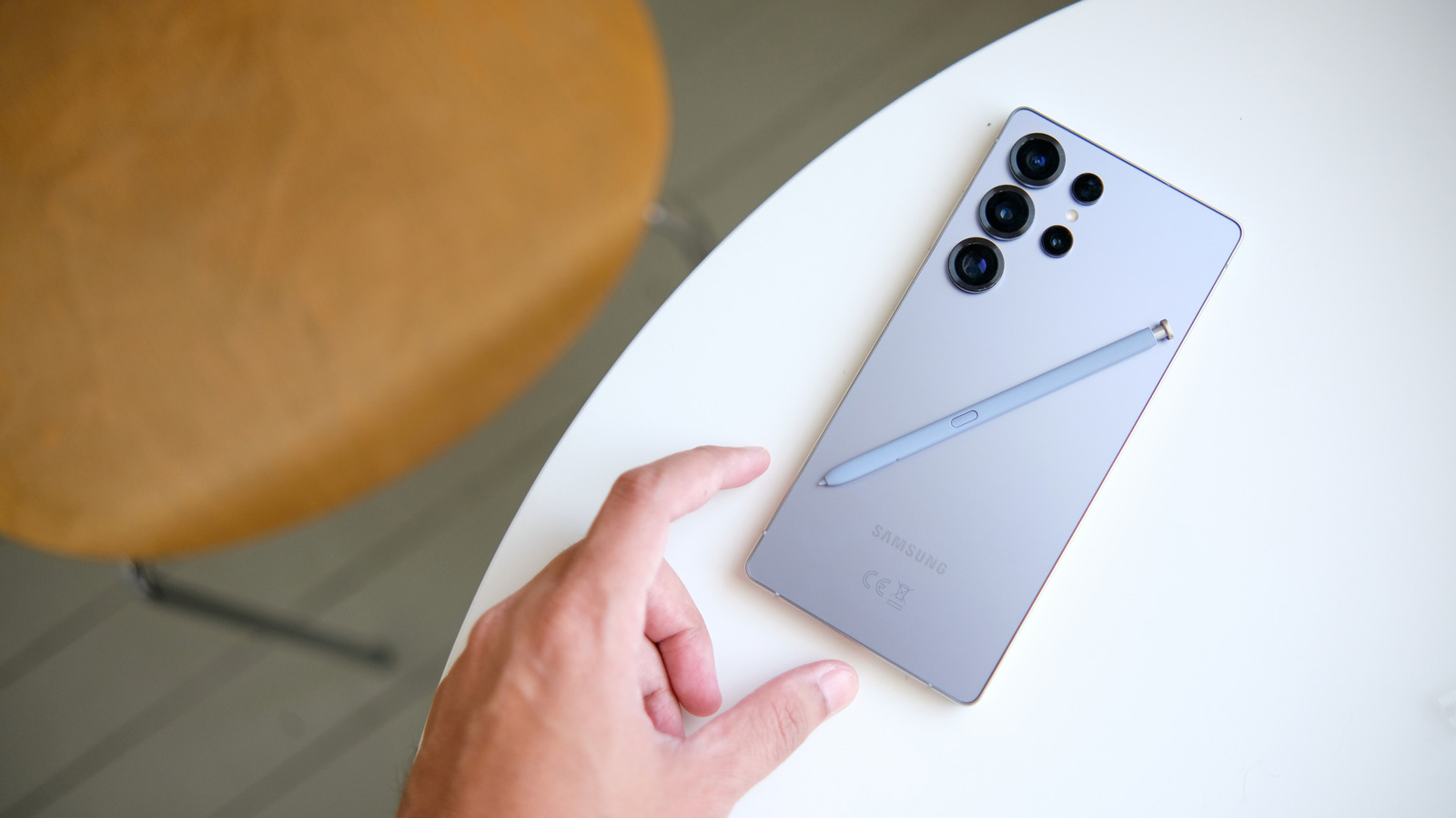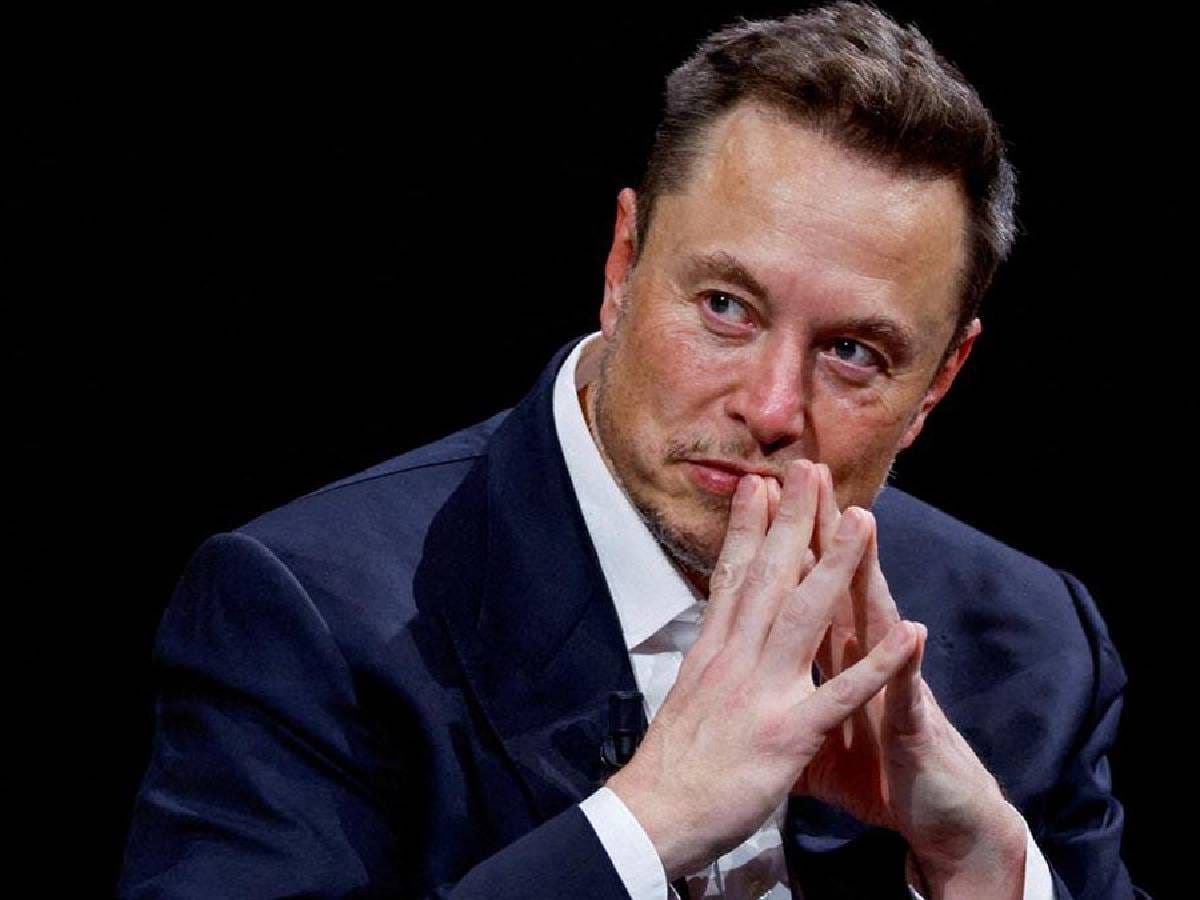
Every few months, Elon Musk drops a casual comment that ends up starting a very serious conversation. This time, it is about a possible Starlink phone. How did it start? A user on X wrote that a Starlink phone would be cool. Musk replied that it was “not out of the question at some point.” That’s it. There was no mention of launch date, teaser, or prototype. Also Read: A single Musk megacompany? SpaceX, Tesla, and xAI could be heading for a merger
So what would a Starlink phone even be? Starlink is SpaceX’s satellite internet service. Instead of relying on nearby cell towers, it uses a large network of low-Earth orbit satellites to deliver internet in remote and hard-to-reach places.  Also Read: Neuralink’s vision implant is almost ready: What the first human trial could look like
If a phone could connect directly to this network, it would be able to connect us even in difficult areas such as dead zones. mountains, highways, forests, or rural areas where signals usually disappear could still have connectivity. In emergency situations, that could make such a device could be very useful. Also Read: WhatsApp refutes Elon Musk’s allegations around message access: “Totally false…”
iPhone or Android rival?
Elon Musk has already hinted that if this device ever happens, it won’t be a normal smartphone chasing camera numbers and app ecosystems. He described the idea as a device “optimised purely for running max performance per watt neural nets.” In simpler terms, the focus would be on on-device AI performance and efficiency. Think less about megapixels and more about powerful AI tasks running locally without draining the battery.
Right now, this is just a vast idea, no concrete road to follow for now. He only said the idea isn’t impossible. However, if it ever reaches the market, it could push traditional phones to rethink how they handle coverage gaps and offline intelligence.

Another point to note here is that turning a thought into a shipping smartphone is a long journey involving hardware design, supply chains, software platforms, and regulatory approvals across countries. So even if this ever becomes real, it’s not something to expect anytime soon.