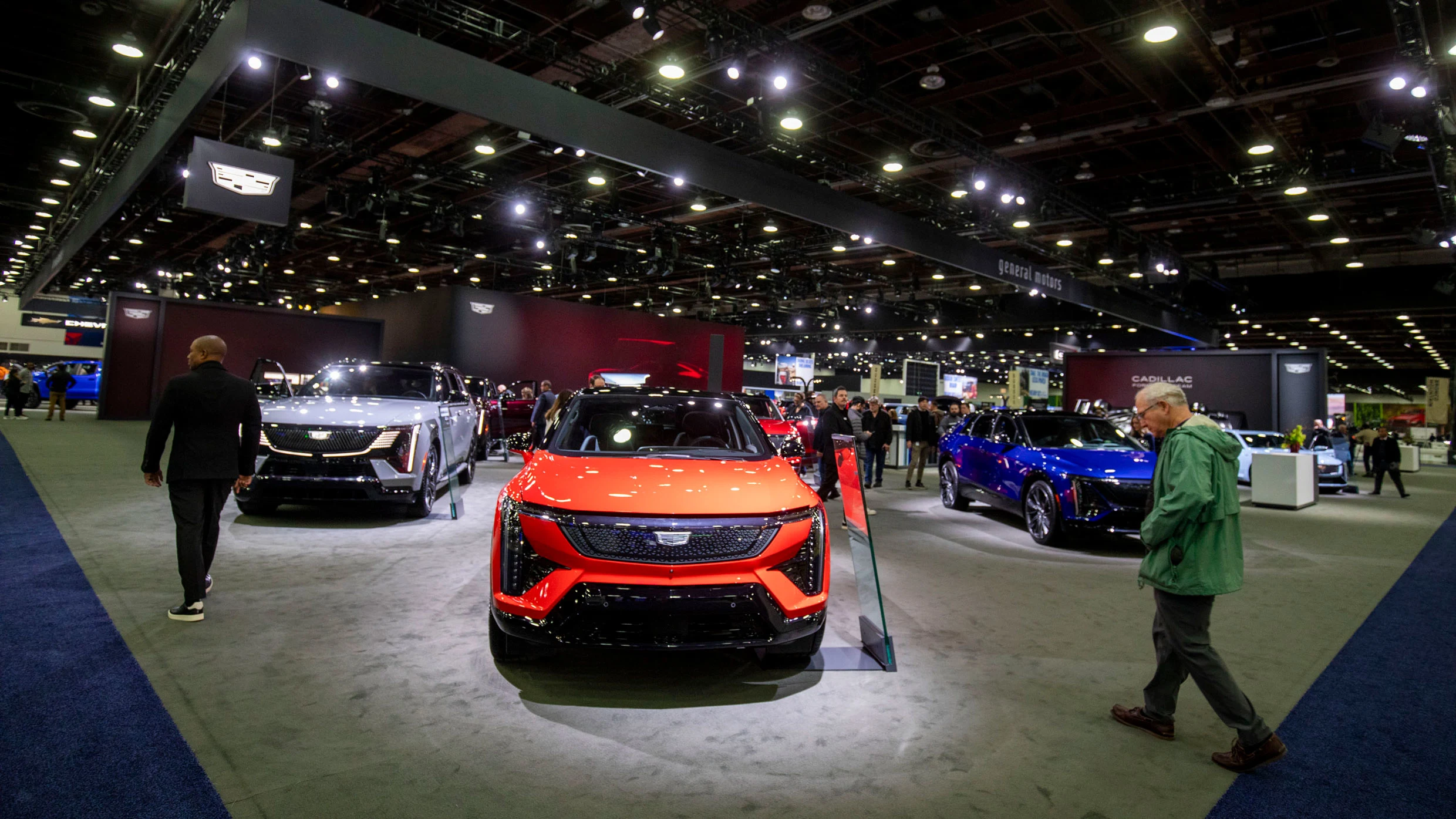
At the 2026 Detroit Auto Show, the spotlight quietly shifted. Electric vehicles, once framed as the inevitable future of the industry, were no longer the centerpiece. Instead, automakers emphasized hybrids, updated gasoline models and incremental efficiency improvements.
The show, held in January, reflected an industry recalibration happening in real time: Ford and General Motors had recently announced $19.5 billion and $6 billion in EV-related write-downs, respectively, reflecting the losses they expect as they unwind or delay parts of their electric vehicle plans.
The message from Detroit was unmistakable: The US is pulling back from a transition that much of the world is accelerating.
That retreat carries consequences far beyond showroom floors.
In China, Europe, and a growing number of emerging markets, including Vietnam and Indonesia, electric vehicles now make up a higher share of new passenger vehicle sales than in the United States.
That means the US pullback on EV production is not simply a climate problem—gasoline-powered vehicles are a major contributor to climate change—it is also an industrial competitiveness problem, with direct implications for the future of US automakers, suppliers, and autoworkers. Slower EV production and slower adoption in the US can keep prices higher, delay improvements in batteries and software, and increase the risk that the next generation of automotive value creation will happen elsewhere.
Where EVs are taking over
In 2025, global EV registrations rose 20% to 20.7 million. Analysts with Benchmark Mineral Intelligence reported that China reached 12.9 million EV registrations, up 17% from the previous year; Europe recorded 4.3 million, up 33%; and the rest of the world added 1.7 million, up 48%.