February 18, 2026 • 9:00 am ET
Russia’s full-scale invasion of Ukraine in February 2022 challenged much of the common Western understanding of Russia. How can the world better understand Russia? What are the steps forward for Western policy? The Eurasia Center’s “Russia Tomorrow” series seeks to reevaluate conceptions of Russia today and better prepare for its future tomorrow.
Summary
- Russia has a markedly different approach to diplomatic negotiations than the United States. For Russian leaders, negotiations are a form of warfare by nonmilitary means, a competition that they seek to win with few or no compromises.
- The Kremlin’s views of negotiations are also powerfully shaped today by the elites’ attitudes toward a rules-based international system, which they view as inimical to Russian interests and in need of a radical overhaul. They see the United States as being in a prolonged period of decline, a view they believe provides opportunities for Russia to exploit.
- The United States can significantly empower itself in negotiations by better understanding the sources and range of Moscow’s behaviors at the table and adapting effective counter-measures. It can temper the impact of the Kremlin’s tactics and advance progress toward lasting agreements by selecting and shaping the negotiating environment. Success should not be defined by seeking good relations or a good deal as ends in themselves, but by negotiating in a way that advances US foreign policy goals.
Table of contents
A diplomat’s words must contradict his deeds—otherwise what sort of a diplomat is he? Words are one thing, deeds something entirely different. Fine words are a mask to cover shady deeds. A sincere diplomat is like dry water or wooden iron.
—Josef Stalin, “Elections in Petersburg”
The Alaska summit, held in Anchorage on August 15, 2025, brought together Presidents Donald Trump and Vladimir Putin for a widely publicized but inconclusive meeting. This was Putin’s first visit to the United States since the full-scale invasion of Ukraine in February 2022. The Russian delegation, under Putin’s leadership, used the meeting to define a new relationship between the United States and Russia and showcase Russia’s place in the world.
Putin had specific objectives in Alaska.
- He aimed to position Russia as a global power on par with the United States, excluding Ukraine and other European allies.
- He intended to use the summit to strengthen Russia’s control over parts of Ukraine, preventing it from hosting Western troops and keeping it locked outside of NATO.
- He hoped to leverage the summit to persuade the United States to postpone or defer the implementation of additional sanctions.
- He intended to leverage the summit to underscore Russia’s historical and cultural connections to the United States and Ukraine, portraying the conflict as “a family tragedy” rather than an invasion, and to compel Kyiv to capitulate by exhausting its forces.
- He sought to effectively engage Trump on a personal level, presenting the talks as a starting point, giving the impression of progress while avoiding any concrete agreements that would require Russian concessions. This narrative could potentially help him exploit potential divisions between the United States and European leaders, who are more aligned with Ukraine’s position.
Russia’s negotiating tactics in pursuit of the objectives were a master class of strategic positioning.
- Putin engaged in flattery and appealed to Trump’s stated desire to make deals. By presenting economic and strategic opportunities, such as joint Arctic development, Putin created a dynamic in which Trump focused on a potential deal rather than a clear resolution to the conflict in Ukraine. Putin’s personal approach appealed to his counterpart’s focus on overarching gains, encouraging him to overlook the importance of intermediate details. This psychological tactic appeared intended to give Russia a negotiating advantage.
- Putin forwarded maximalist demands—such as Ukraine’s neutrality, recognition of seized territory, and handing over Ukrainian land under Russia’s control—framing them as a basis for peace. He probably expected some of his proposals, like resuming direct flights and major economic deals, to be rejected by the United States. But these proposals helped present a narrative in Russian media that Moscow was seeking normalization of relations.
This approach also had some setbacks. Putin’s extended “history rant” at the summit—offered as a justification for the war and as a dismissal of cease-fire proposals—nearly brought him to failure in talks. According to the Financial Times, Putin launched into a long discourse on Russia’s medieval past, invoking figures such as Rurik of Novgorod, Yaroslav the Wise, and Cossack leader Bohdan Khmelnytsky—names he frequently uses to argue that Russia and Ukraine constitute a single historical nation and that Ukraine should not exist as a sovereign state. Sources familiar with the exchange told the newspaper that Trump, surprised by the lecture, raised his voice several times and at one point even threatened to leave the meeting. It is also not clear why the long agenda for the day was cut short and the Russian delegation left before the planned lunch.
Overall, Putin’s approach to the meeting once again demonstrated a broader tactic of undermining the US-led global order, asserting Russia’s historically driven special place in the international system, and challenging institutions like NATO. By bringing issues affecting European security to negotiate bilaterally with the United States, he implicitly wanted to restore the “big powers’ deals” approach and de-emphasize the role of other important stakeholders, including Europe and multilateral bodies such as NATO.
While Trump publicly described the summit as productive, it resulted in little tangible progress. Despite Trump’s stated goal of securing a cease-fire in Ukraine, one was not reached. Putin refused to back down from Russia’s core demands. As a former KGB officer, Putin views diplomacy as a battle of narratives: Russian state media portrayed the summit as a win for Moscow, showing Putin meeting the US leader as an equal. They hailed the summit as a demonstration that Russia was not isolated. Indeed, simply having a summit with the US president made it a success. It boosted Putin’s international image and pretended to demonstrate Russia’s continued relevance as a global power.
Russia’s negotiating behavior in Alaska was true to Moscow’s long-standing playbook. It demonstrated Moscow’s view that diplomacy is a means to gain an advantage in war (broadly construed), rather than to achieve peace, maintain stability, or compromise with other interested parties.” Indeed, Putin’s activity at the summit aligns with the Kremlin’s broader history of using such meetings not as forums for compromise but as tactical opportunities to advance long-term strategic goals.
This report will examine that negotiating playbook, and not just as it applies to Ukraine. First, it will analyze Russian strategic culture, which provides the broad context for Russian diplomatic activity. Second, it will examine how that culture is reflected at the negotiating table with its adversaries, particularly the United States. Finally, the report will suggest effective countermeasures for the United States to significantly empower itself in negotiations with Russia. It will conclude that success should not be defined by seeking good relations or a good deal as ends in themselves, but by negotiating in a way that advances US foreign policy objectives. Above all, the United States must project firmness and strength in any dealings with the Kremlin.
Clash of strategic culture
The Russian state treats negotiations as political instruments for advancing the country’s strategic objectives. Today, these objectives include increasing Russian power over the countries of the former Soviet empire, dislodging US and Western influence in other strategic regions, enhancing Russia’s influence at a global level, and preserving the Russian regime.
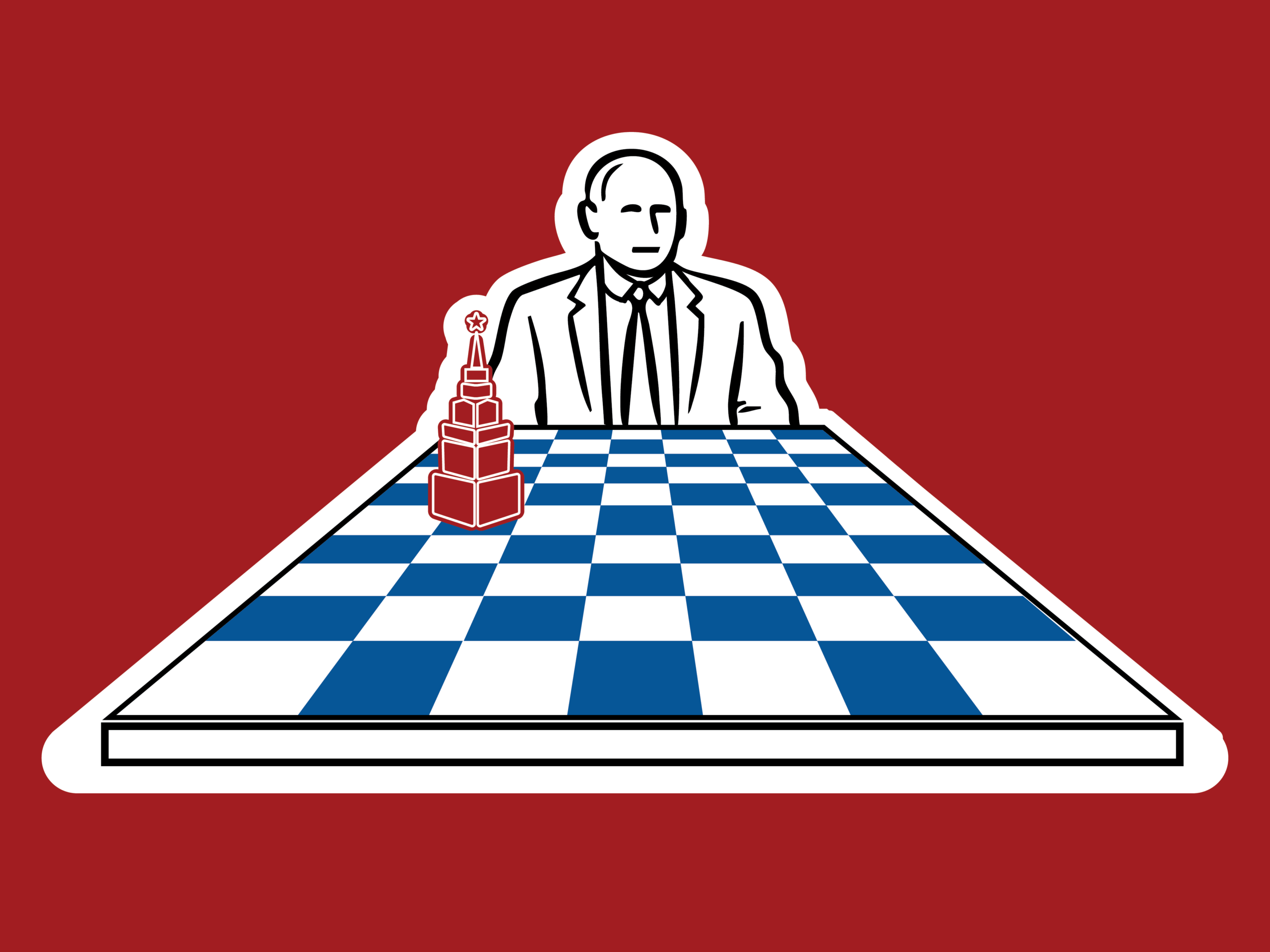
In pursuing these objectives, Russia views diplomacy very differently than the West. Since at least the 1648 Treaty of Westphalia, Western diplomacy—though likely not an approach favored by Trump—has been grounded in three basic concepts: that all states are sovereign and thus nominally equal; that the purpose of negotiations is to reduce the likelihood of conflict by reconciling conflicting interests; and that diplomacy and espionage are separate domains so deception is not part of the negotiator’s tool kit.
Russia shares none of these premises. In the Russian diplomatic tradition, sovereignty is a relative and contingent factor dependent upon size and power (i.e., it is only applicable to the very largest states), as well as geographic and historical factors. It does not apply to former colonial possessions close to the traditional Russian imperial heartland. This long-standing outlook derives from the Russian state’s historical experience of seeking domination over weaker neighbors. Recent articulations of this outlook include Putin’s seven-thousand-word editorial essay on Ukraine in July 2021, his address to the Russian people in June 2022, and his interview with US commentator Tucker Carlson in February 2024. Russian international relations theory and commentary talk about great powers such as Russia as the only truly sovereign states.
Russia’s view of negotiations also stems from its distinctive view of war and peace. The West sees war and peace in black and white—as diametrically opposed ideas. In Russia, war and peace exist on the same continuum. Negotiations are a means to provide the Kremlin with an edge in a competitive process that can, theoretically, lead to conflict.
Russian diplomacy today continues these premises from the imperial era. Russian elites have a long-standing consensus about the state’s legitimate and necessary foreign policy goals—a strategic culture that “is a product of a country’s geography, history, and the shared narratives that shape the prevailing worldview of its national security establishment, which in turn guides its responses to challenges and threats.” Moscow’s diplomatic behavior and policy are thus influenced by a set of shared, deeply ingrained “norms, values, beliefs, assumptions, and narratives” about Russian national security in the broadest sense, both internally and externally.
Narratives under the imperial, Soviet, or current regime have focused on encirclement by external enemies, as well as Russia’s exceptionalism and special mission in the world. The operational codes of different Russian decision-makers over the decades—their personal beliefs and appetite for risk or enrichment—as well as the external environment and chance have also determined how different regimes approached specific policy goals within this general strategic framework. Boris Yeltsin and Putin, for example, both sought to make Russia a great power and to dominate Ukraine, but differed markedly in how to do so.
The impact of strategic culture has ebbed and flowed. After Mikhail Gorbachev, its influence waned, and Soviet foreign policy and negotiating behavior momentarily resembled the win-win approach long practiced by the West. This led to Russia and the United States achieving important arms control agreements and cooperation in other areas. Between 1992–1996 under Yeltsin, a majority of the public and elites accepted ideas that were firmly at odds with traditional Russian strategic culture: that Russia must become a “normal” law-abiding democracy with a market economy; integrate with the West; and maintain a robust Russian military—not for external threats but to prevent internal collapse.
In the final years of Yeltsin’s presidency (i.e., 1996–1999), more Russian elites and the public started to re-embrace traditional strategic culture. Perceptions of threats from the West and resentment about Russia’s lost status grew, partly because of NATO enlargement and intervention in Serbia. Russians blamed Western leaders, advisers, and greedy businesses for the “bandit privatization and capitalism” in the 1990s that left the majority of Russians impoverished and engendered a despised class of wealthy, politically influential oligarchs. The Kremlin’s view of negotiations has always reflected the overall state of its relations with the West—so new agreements became harder to achieve while those already in place began to unravel.
After Putin became president in 2000, some cooperation with the West continued. However, Russian foreign policy continued reverting to its more traditional anti-Western orientation, blurring imperial tsarist and Soviet ideas about Russia’s exceptionalism and invented threats to the state, alongside rising post-Cold War grievances and the increasing militarization of society. The revival of the special services drove this approach. The Foreign Intelligence Service (SVR), Federal Security Service (FSB), and Federal Protective Service (FSO)—which reported to Putin directly —and the Main Directorate of the General Staff of the Russian Armed Forces (the military intelligence organization still widely known by its outdated acronym GRU) increasingly merged power, nationalism, imperialism, secrecy, and business, and did so with the president’s encouragement. These siloviki (men of force) descended from the old Soviet KGB; after all, Putin and his cronies were their products.
With the idealistic goal of building a democracy discredited in the eyes of many Russians, the intelligence services filled an ideological and institutional void by capturing the mantle of legitimacy once held by the discredited Soviet Communist Party. By the mid-2000s, these services were no longer the “sword and shield of the revolution,” in Lubyanka’s famous motto, but the regime’s institutional core—even as competition over power and money persisted. Unlike in the Soviet era, they were unencumbered by bureaucratic oversight because they ultimately reported directly to Putin. His return to the presidency in 2012 strengthened siloviki control over politics, money, the security services, and access to the Kremlin. As domestic repression increased and relations with the West worsened, Russia evolved further into an intelligence state, with Putin acting as the dominant Chekist at its center. He led a small circle of security service veterans who saw themselves as defending Russian civilization, a worldview symbolized by reports that he once kept a statue of secret police founder Felix Dzerzhinsky on his desk.
For Putin and his cronies, the Cold War never ended. Many public statements, such as those by Security Council Secretary Nikolay Patrushev and SVR chief Sergey Naryshkin, suggest that top leaders agree that the United States and Europe are Russia’s main enemies; the war in Ukraine is part of a broader global struggle against the West; the global system is irreversibly changing to the disadvantage of the United States; the United Nations, where Russia has veto power, should play a decisive role in helping great powers manage interstate relations; and Russia is a Eurasian civilization distinctly different from and threatened by the West.
These sentiments have been fertilized with the living Russian concept of psychohistorical warfare, which claims the West has been attempting to destroy Russia’s statehood, national and historical identity, and culture. Notoriously, modern Russian philosophers argue that this psychohistorical warfare of the West against Russia dates back to the sixteenth century and, since the 1820s, has been deliberately focused on ethnohistorical, national, cultural, and state and political components.
These attitudes reflect Russia’s traditional strategic culture. So when the Kremlin now engages in negotiations, it is less to compromise and mitigate conflict and more to invert Carl von Clausewitz’s axiom, to wage war by other means. Moscow engages in negotiations to lock in favorable battlefield outcomes or “stabilize gains;” leverage issues on which Russia has a vital national security interest to pursue wider objectives; offload burdens following a strategic reverse; sideline the United States and interpose Russia as a “peacemaker;” distract opponents while advancing militarily; constrain adversaries while keeping their options open; and advance Russia’s status in multilateral organizations as a great power.
This approach has also backfired. Russia’s cynicism and sharp elbows have undermined international goodwill, and its repeated violation of international agreements has caused concern about the Kremlin’s good faith and durability in negotiations. The blind spots in the Kremlin’s worldview have also caused Russian leaders to overestimate the effects of money, bluster, and overreach—and to pass up chances for better results through good-faith talks.
Still, the Kremlin’s anti-Western worldview does not drive every Russian position—and these views do not prevail among all elites or the entire government apparatus. The Kremlin can be highly pragmatic, transactional, and situational. Assessing which form of Russian behavior appears at the negotiating table and why is critical to shaping future bargaining outcomes in the West’s favor.
Russian behavior at the negotiating table: Theory and practice
How Russia acts at the negotiating table is a product of strategic culture, as well as a policy process involving the presidential administration, the foreign ministry, other government entities, the military, and think tank experts, among other participants. Putin makes the most critical decisions, especially on national security issues and relations with the United States, often relying on an ad hoc network of advisers rather than formal structures.
Russian delegations are well-prepared, but delegation members have been called “rats in a box” by opposing diplomats, as they often have little discretion to interpret instructions from Moscow. One of the most public of them, Deputy Foreign Minister Sergey Ryabkov (a major public player on US-Russian affairs), needed to answer “unofficially but completely” to the FSB and SVR, according to US Ambassador John J. Sullivan, who met him often. These two agencies are known for having a major say in negotiations; however, intelligence officers are often given a junior rank as a cover to watch developments and their own delegations. For example, in 2022 those agencies were responsible for undermining an agreement on diplomatic visa reciprocity.
Because the Kremlin believes it is engaged in multidimensional warfare with the West, its conduct admits a broader array of tactics far beyond compromise and win-win outcomes. These tactics are a combination of tsarist, Soviet, and more recent diplomacy and intelligence practices that keep the West off balance: “In preserving the power of the state in the person of Putin, Russian leadership . . . shamelessly advances any position or argument, no matter how counterfactual or ahistorical, that is useful to support Putin (the state) at any given moment.”
At the negotiating table: The Kremlin school
The rules governing how Russian diplomats behave at the table are codified and taught to generations of diplomats. Some of these lessons are contained as sequential steps in Igor Ryzov’s 2016 book, The Kremlin School of Negotiation.
- Step 1: Stay quiet and listen attentively to what your opponent says. If one person is silent during a conversation, the other tends to fill the silence and say more than intended. It also allows the Russian interlocutor to focus on finding flaws in the opponent’s logic.
- Step 2: Ask questions. Russian negotiators ask questions quickly, in an interrogatory manner, to establish control. Questions point out contradictions to make an opponent look silly and lose control of the agenda.
- Step 3: Diminish your opponent. Being passive-aggressive, hostile, direct, and almost rude—or alternatively polite and soft-spoken—can undermine an opponent using fundamental human emotional triggers from positive to harmful extremes.
- Step 4: Make magnanimous gestures. The Russian negotiator can then create a sense of relief by giving the opponent an honorable path to escape the unpleasantness by showing his magnanimity and considering a second chance for an opponent to prove he is worth dealing with.
- Step 5: Put the opponent in the realm of uncertainty. While the preceding four steps are apparently enough to ensure psychological superiority in more than 90 percent of negotiations, finishing a conversation with constructive or destructive ambiguity is an efficient tool to hook an opponent in conflicting thoughts. Issuing a veiled threat of unspecified dire consequences, or hinting at a potentially good outcome conditioned on certain actions required to prove the opponent’s reliability, is a common practice within this model and is aimed at keeping control and leadership.
Similar themes, reinforcing the major postulates of the Kremlin School, are included in the curriculum at the Foreign Ministry’s Diplomatic Academy and at the Moscow State Institute of International Relations, where young diplomats are trained how to walk into a room, smile, pursue a conversation, frame an argument, and use the media.
Russian negotiation behavior includes additional tactics observed at the negotiating table.
- Use legalism and vague legal language. In negotiations, Russian diplomats often have a firmer grasp of the particulars of international agreements than their counterparts. They use the pretense of legalism to burnish claims of legitimacy and play to the “gallery” of international audiences. Equally, while drafting agreements, they tend to leave provisions vague and open to as many interpretations as possible, especially clauses on breach definitions and penalties, in order to tinker with them later and serve Russian interests in the enforcement phase. For example, they did this with an agreement between Ukraine and the Russian Federation on cooperation in the exploitation of the Azov Sea and Kerch Strait, signed in December 2003, and in the Minsk Accords II.
- Foster time and energy exhaustion. Russian diplomats aim to leave opponents so exhausted, disoriented, and unable to concentrate that they agree to suboptimal outcomes. The Soviets would overwhelm the other side by not taking restroom breaks or by timing other delegates’ speeches to apply pressure. Other examples include the Normandy format meeting on concluding the ill-fated Minsk-II agreements (which lasted more than sixteen hours), the US-Russia talks on energy, and Black Sea cease-fire in Saudi Arabia on March 25, 2025 (which lasted around twelve hours). Russian negotiators often field two teams of officials while counting on the other side to continue with already exhausted negotiators. Alternatively, they limit even complicated talks to a formal timeline when they are not interested. This occurred with two rounds of the Ukraine-Russia talks on a complex peace settlement on May 16, 2025 (which lasted less than two hours) and on June 2, 2025 (lasting forty-five minutes). Also notorious is a Russian custom to keep interlocutors waiting for hours before talks begin. This is particularly true for Russian leadership, but also for mid-ranking delegations.
- Create urgent needs or too much motivation for the other side. The side with the more urgent need to resolve an issue is a priori in a weaker position, and the Russians are determined to create such a situation for the opponent before talks begin. For example, they used the encirclement and ambush of the Ukrainian column exiting Ilovaisk in August 2014 to extort concessions from Ukraine during the Minsk I negotiations. They also capitalized on the dire situation of Ukrainian forces at Debaltseve to secure more concessions at Minsk II, but repeatedly violated the cease-fire to secure advantages prior to formal negotiations. In the current war in Ukraine, Russian shelling and drone and missile attacks on Ukrainian civilians are a regular occurrence before the Ukrainian political leadership makes an important decision about the war.
- Seek flexibility and one-way commitments. Russian negotiators relentlessly search for flexibility for themselves, even past the point of nominal agreement. They have a one-sided interpretation of rebus sic stantibus: in their eyes, once an agreement is made the conditions evaporate for Moscow but hold for the other side indefinitely. The Russians calculate that the West is more likely to abide by agreements and less able to cut loose of treaty obligations, even after Russian noncompliance. This likely motivated Russia to insist on NATO honoring the NATO-Russia Founding Act, and similar behavior with the Conventional Forces in Europe (CFE) Treaty, the Intermediate-Range Nuclear Forces (INF) Treaty, and the New Strategic Arms Reduction Treaty (New START).
- Bluff and deceive. Russian negotiators attempt to create the impression that they are the most important, powerful side at the table—even if that is not the objective reality—and use disinformation to supplement this tactic. This approach is deeply embedded in their culture, as reflected in the famous Russian folk saying, “It does not matter who you are, but how you are perceived by others.” Lies and deception are justifiable tools to pursue the course of action. A recent example of this tactic is a fast-cooked fake about attacks by Ukrainian drones on the Valdai residence of the Russian president, which was denied by US intelligence after fact-checking. Nevertheless, the Russians used this as a pretext to change their commitments to a peace settlement and a justification of another deadly missile attack on civilians in Ukraine. The firewall that has existed between diplomats and spies for three hundred years in Western practice is absent in Russia. Spies operate under diplomatic cover, and Russian diplomats are encouraged to utilize the spy’s methods (maskirovka) to conceal, entrap, mislead, or swindle.
- Engage in brinkmanship. Bravado is very popular in Russian culture. It is similar to the US macho “chicken” game but grounded in fatalism, blind luck, and the expectation that the other side will blink first. Moscow uses brinkmanship to force an interaction to the threshold of confrontation. For example, the Kremlin has repeatedly threatened to use nuclear weapons since the full-scale invasion of Ukraine, even though there is little evidence that it will do so. The same approach has been applied with penetrating drones in Poland, intruding into the airspace of other countries in Northern Europe, and missile targets in Ukraine close to its western borders with NATO countries.
- Denigrate an opponent. Rudeness is common to both distract an opponent from the substance of the talks and put them in a highly emotional state, unable to control themself and think clearly. For example, during the MH-17 case hearings in The Hague Court of Justice, a female member of the Ukrainian delegation raised concerns about Russia’s behavior. The head of the Russian delegation replied, “Oh, we see that you have some clear concerns” (using a Russian word with a dual meaning suggesting the woman had some sexual obsession).
- Lay a principal-agent trap. Russian negotiators stall discussions by claiming they need extra time for consent from Moscow (which can be linked to the time and energy exhaustion tactic). After the full-scale invasion of Ukraine, Russia put forward a delegation with little authority. When presented with draft proposals for a future framework peace agreement in late March 2022, the Russian delegation took many weeks to respond.
- Play the “too busy to be reached” game. Resort to an absent mode in negotiations by claiming to be preoccupied with other things, thus effectively blocking any efforts to move forward. Here Russian negotiators exploit their favorable tactics of “no body, no crime” (in practical terms, with “no person at the table, no progress in negotiations.”) Not responding to phone calls, making references to “no-sense” or “premature,” and avoiding contact seemed to be signatures of the Russian approach to Ukrainian political leadership between 2016 and 2019, when the latter tried to achieve a breakthrough in stalled Normandy and Minsk talks. Moscow also abstained from meetings in the defunct Normandy format before February 2022.
- Move talks toward Russian views through deep anchoring. Russian negotiators advance highly unrealistic proposals at the beginning of talks and then press the other party to respond. This anchors the opponent around Russian views, moving discussions and a potential zone of agreement closer to the Russian position. In December 2021, Russia called for a new security order in Europe by submitting two unrealistic drafts to the United States and NATO, forcing them to consider and reflect on the Russian papers instead of quickly offering their own to balance discussions. Similarly, the Russians submitted a peace memorandum to the Ukrainian delegation on July 2, 2025, which was full of ultimatum demands, including the renunciation of territories including some not occupied by the Russian army. In contrast to good-faith diplomatic practice, in which a draft is submitted in advance with sufficient time for the other side to review it and form a preliminary reflection, the memorandum was handed over shortly before the talks, and the Russian delegation demanded the Ukrainian side respond immediately during negotiations.
- Alter commitments. Russian diplomacy likes to deliver a low blow, a sudden change of terms when the other party expects a solution. An opponent might pay less attention to the details of an altered deal because it anticipates the completion of talks. In the 1990s, during negotiations over prolonging the stationing of the Russian Black Sea Fleet in Sevastopol, the Russian side initialed the agreement but then swapped one page of the original document with another to alter the terms in its favor. The Ukrainian delegation noticed the switch, and the ruse failed. The Russians might also deliver a low blow trick with the principal-agent trap by justifying the sudden withdrawal of previous commitments through appeals to the authority of an unnamed superior official. Alternatively, they might create an artificial pretext to change their commitments, as they did with the fake story of Ukrainian drone attacks on Putin’s Valdai residence as a cause for changing their negotiating position. The actual reason for that was the progress achieved following negotiations between the presidents of Ukraine and the United States at Mar-a-Lago, which the Russian political leadership tried to undermine.
- Package a deal or trade-offs. Russia withholds agreement on one issue as a hostage to settling others. In the mid-1980s, the Soviet leadership refused to negotiate agreements on missile reductions without limiting the US Strategic Defense Initiative (SDI). Only after bilateral tensions were reduced and Congress cut SDI’s budget did the Kremlin delink SDI from the INF Treaty. In 2023, Ryabkov objected to the United States “compartmentalizing” strategic stability from broader talks on Russia’s relations with the West. In the negotiations over the Black Sea Grain Initiative in 2022, Russia demanded that its agricultural exports, allegedly blocked due to Western sanctions, be eased before signing a new initiative while also increased other demands. In a similar way, in Anchorage, the Russians wanted to tie Trump’s interests to a bigger set of issues by promoting a US-Russian bilateral agenda mixed with issues of strategic stability in Europe and the war in Ukraine in one basket. By doing so, they sought to downplay the war in Ukraine as a minor issue subordinate to the broader picture of future mutual benefits.
The current state of play in Ukraine
With Trump’s reelection in 2024, the Russians were reportedly optimistic about their ability to handle the US political leadership. They then set out to play the United States with the Russian spiderweb of lies, deceits, and other psychological tricks to conceal the genuine goal of subordinating the entirety of Ukraine militarily and politically. Such a calculus was likely based on the assumption that Trump would have a profit-oriented, big-power mindset, coupled with the idea that he could be easily enchanted with flattery and captivated by prospects of prosperity once the issue of Ukraine was solved. Moscow was likely convinced that showing a friendly face and repeating the mantra of acting in good will to stop the war in Ukraine would serve its purpose and be enough to make Trump believe the Russian narrative. They partially succeeded. After a year in power, the US president might still believe that Russia is interested in peace. Fact-checking, however, provides compelling data about Russia’s actual position. All major peace proposals that the United States made in 2025 were rejected by Russia, whereas Ukraine backed every single one, signaling Kyiv’s willingness to engage in both cease-fires and long-term agreements.
In contrast to Ukraine, Russia has so far shown no willingness to compromise or step back from its initial demands. Its public readiness to consider any newly revised draft of a peace deal is offset by the Kremlin’s hardline position since the start of the full-scale invasion in 2022. However, the justification for taking this position has changed constantly, with the fake Valdai attack the most recent example. What hasn’t changed is the Kremlin has stuck to its usual negotiating tactics to ensure that the results of any talks to end the war tilt in its favor, while showing constructive and destructive ambiguity in talks with the United States, Ukraine, and Europe.
Many tricks from Russia’s negotiation toolbox can also be found in its current state of play.
- Bluffing. Despite Russia’s manpower shortages, the exorbitant cost of the war, and serious morale problems in the armed forces, Kremlin information operations have stressed the inevitability of its military victory on the battlefield to convince the United States to pressure Ukraine to hand over the parts of the Donbas region that Russia has little chance of capturing on its own anytime soon.
- Deception. Kremlin officials have claimed that Russia and the United States reached an understanding based on Putin’s June 2024 demands during the August 2025 summit in Alaska, but no evidence of any agreement has emerged since the summit.
- Time and energy exhaustion. Ryabkov has stated that the Kremlin will not sign any peace agreements to end the war in Ukraine “right now,” even though US officials have repeatedly stated that an agreement is near and that Putin is interested in a settlement.
- Deal packaging or trade-offs. Russia has held out the prospect of future economic cooperation and progress on arms control if the United States meets its demands regarding Ukraine.
- Brinkmanship. Despite their own dangerous nuclear war rhetoric, Putin and Russian officials have repeatedly issued warnings that a direct conflict between Russia and NATO could lead to World War III or a global catastrophe, especially if the West continues to escalate support for Ukraine.
- Hidden and explicit threats. During the last direct Ukraine-Russia talks on May 16, 2025, in Turkey, the head of the Russian delegation, Vladimir Medinsky, pushed Ukrainians to agree on the suggested terms of Russia claiming just four regions of Ukraine by saying that next time Russia would raise its demands and claim six. He also warned the Ukrainian delegation that “Russia was ready for an endless war against Ukraine” and that “some delegation members [of Ukraine] may lose more relatives” by the next time they meet.
Lessons learned and reconsidered
Above all, the West should understand that history, culture, and worldview make Moscow’s diplomatic theory and practice markedly different—including even the meanings of “war” and “peace.” The Kremlin is fully aware of these disparities and employs both traditionally Western and Russian strategies. The West is still largely illiterate regarding Russian tactics and does not play as equals—yet. But it is not too late to learn, and it is high time that countries engaging with Russia do so before becoming trapped in another prolonged diplomatic deadlock.
The recent US military operation in Venezuela opens an opportunity to force Russia to reconsider its strategic calculus of military adventurism in Ukraine. In military terms, this US projection of power in the Western Hemisphere could send a signal to the Russians that the United States can act in a decisive and harsh manner to ensure a desired outcome. Trump is determined to put an end to the war in Ukraine, but for this he would need the willingness of both parties in the conflict to engage and act in goodwill. Ultimately, the process is about personal political credentials and Trump’s promise to deliver a peace deal. Further testing of the US president could cost Russia not just its military and economic positioning, but the fate of the political regime.
At the same time, the shift in US focus to the Western Hemisphere might embolden Russia to tighten its grip on Ukraine. Russia might interpret this as a green light to act without accountability for promises made to the US side, as the latter might be preoccupied with security challenges other than what is happening in Ukraine. Recent brutal combined drone and missile attacks on Kyiv, the launch of a hypersonic Oreshnik missile on Lviv, and the rejection of any proposal for the presence of international reassurance force troops in Ukraine are all signs that Moscow is inclined to interpret the US stance on Ukraine as encouragement for further Russian aggression. This calculus could lead to a vicious circle of unfulfilled commitments and the inevitable failure of the peace talks, severely undermining Trump’s political prestige.
The tightening of sanctions under the Sanctioning Russia Act of 2025, which is still awaiting final passage, and resolute US actions against the Russian shadow fleet, providing Ukraine with means to advance militarily, might become the best US incentives to discourage Russia from playing dangerous games and to act responsibly.
Putin will only engage constructively in Ukraine when his strategic calculus indicates that it is in his best interest to do so. That calculus would be most effectively altered by a shift in US policy toward Kyiv’s empowerment. Ukraine should have the capability to disrupt Russian forces across air, land, and maritime domains at operational depths of roughly 30 kilometers (km) to 300 km behind the front. Such neutralization would make continued Russian offensive action increasingly ineffective. At the same time, this approach would free the United States to shift more of its military attention and resources toward defending the first island chain in the Indo-Pacific region: Japan, the Ryukyu Islands, Taiwan, and the northern Philippines.
Russia would experience a decline in power if Europe’s partnership with Ukraine intensifies. Secondary sanctions on states that purchase Russian oil, which funds the conflict, would exacerbate the diplomatic, informational, military, and economic pressure that erodes the intangible aspects of Russia’s great-power status. Additionally, societal disturbances inside Russia might result from the freezing or unreliability of banking transactions and the economic effects at home of secondary sanctions on the Russian energy sector. Three of Russia’s thirteen systemically important banks are presently pursuing bailout negotiations with the Central Bank of Russia, according to one report. Putin would also consider the potential social instability that could result. He might then see the conflict as effectively over and irrelevant, especially as Russia would be experiencing losses across the board and could conclude that negotiations are the least detrimental alternative. Or Putin could nonetheless continue to favor the certainty of a bad conflict over the unpredictability and perils of a good peace.
Being nice to Putin will likely yield few results and send the message that the United States is weak. Instead, the United States will need to apply a proactive approach to selecting and shaping the environment for negotiations with a clear tool kit and determination regarding the when, how, who, and what. The United States should also take advantage of the shortcomings and vulnerabilities in the Russian approach. Moscow’s sense of supremacy over rivals sometimes contributes to overestimating its strengths, leading to misreading and strategic mistakes. The Kremlin also values top-down coercion and does not fully understand civil society’s central role in shaping a country’s ability to sustain an agreement. Clear-eyed awareness of these weaknesses will help the United States make the most of its opportunities.
Read the full issue brief
About the authors
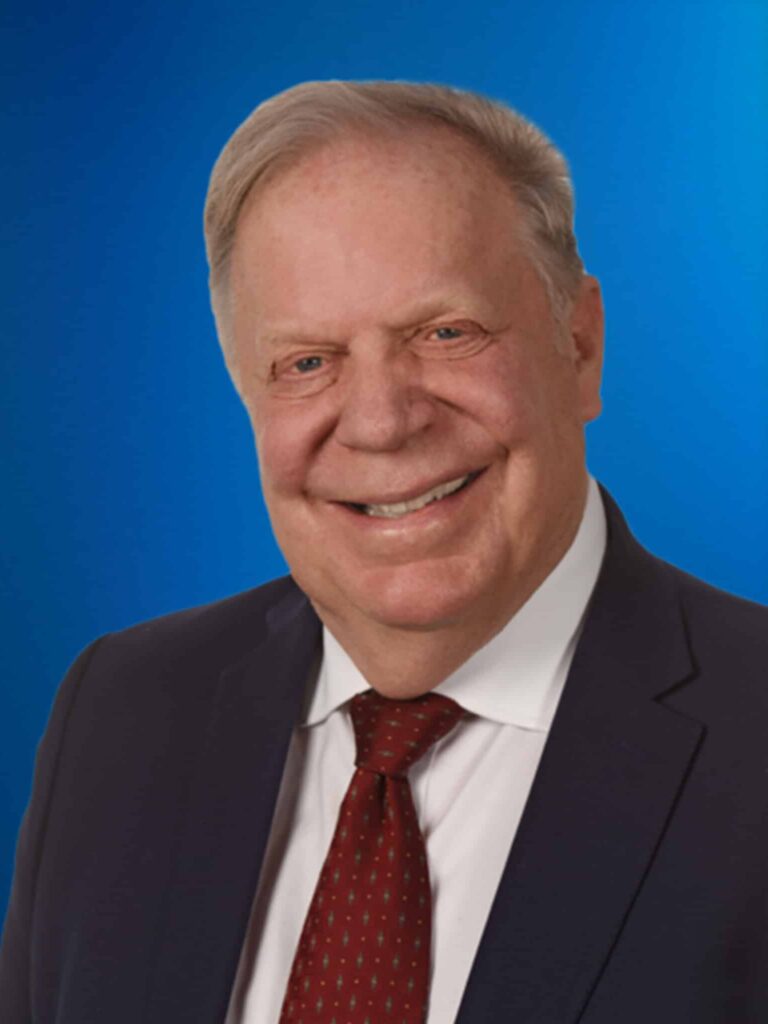
Donald N. Jensen is an adjunct professor at Johns Hopkins University’s Krieger School of Arts and Sciences and an adjunct fellow at the Foundation for Defense of Democracies in Washington, DC, and the Gino Germani Institute in Rome. A former US diplomat in Moscow, Jensen provided technical support for the START, INF, and SDI negotiations and was a member of the first ten-person US inspection team to inspect Soviet missiles under the INF Treaty in 1988. From 1996–2008, he was associate director of broadcasting and head of the research division at Radio Free Europe/Radio Liberty, where he helped lead that organization’s expansion into new broadcast regions after the end of the Cold War and the adaptation of multimedia technology to deal with the broadcasting challenges of the twenty-first century. In 2016, he was a visiting scholar at the NATO Defense College in Rome.
From 2020–2025, he was senior fellow and director of Russia and Europe at the United States Institute of Peace.
Jensen writes extensively on the domestic, foreign, and security policies of Russia, Ukraine, and the other post-Soviet states, with a special emphasis on Russian negotiating behavior and national security policy. He also regularly appears as a commentator on domestic and international media. He has lectured at a variety of universities in the United States and abroad.
An award-winning baseball historian specializing in the Deadball Era and the nineteenth-century game, Jensen has written or co-authored numerous books and articles on the sport. He is a regular lecturer at the Baseball Hall of Fame in Cooperstown, New York.
He is fluent in Russian and Italian and received his PhD and MA from Harvard and a BA from Columbia.

Iuliia Osmolovska is a director of the Kyiv office of GLOBSEC and a member of the Civil Council of the Ministry of Foreign Affairs of Ukraine. She was a career diplomat with fifteen years of diplomatic service at the Ministry of Foreign Affairs of Ukraine, with particular focus on EU integration and European security. Her past work for the governmental sector of Ukraine includes working for the Office of the President of Ukraine, as well as with the Cabinet of Ministers of Ukraine, channeling the communication between the government, the expert community, and civil society with regard to reforms in Ukraine.
Osmolovska has also done professional consulting and training in negotiations, for both political and commercial clients. Her experience also includes an advisory role with the Ukrainian state company Ukrspecexport, where she advised the top management on cooperation with NATO member states.
Her areas of expertise include geopolitics, geoeconomics, international relations, negotiations and diplomacy, Ukrainian foreign policy, foreign economic policy, EU integration, European security and defense policy, and the EU-Ukraine Association Agreement
Osmolovska is a recognized media expert on international relations, diplomacy, and Russian-Ukrainian conflict. She appears regularly on TV and radio channels in Ukraine and internationally.
She holds a master’s of philosophy in European Studies from the University of Cambridge, a master’s in foreign policy from the Diplomatic Academy in Ukraine, and a master’s of international management from Kyiv State Economic University. Before the Russian invasion of Ukraine in 2014, Osmolovska studied psychology and mediation of negotiations at St. Petersburg State University in Russia.
Related content
Explore the program

The Eurasia Center’s mission is to promote policies that strengthen stability, democratic values, and prosperity in Eurasia, from Eastern Europe in the West to the Caucasus, Russia, and Central Asia in the East.