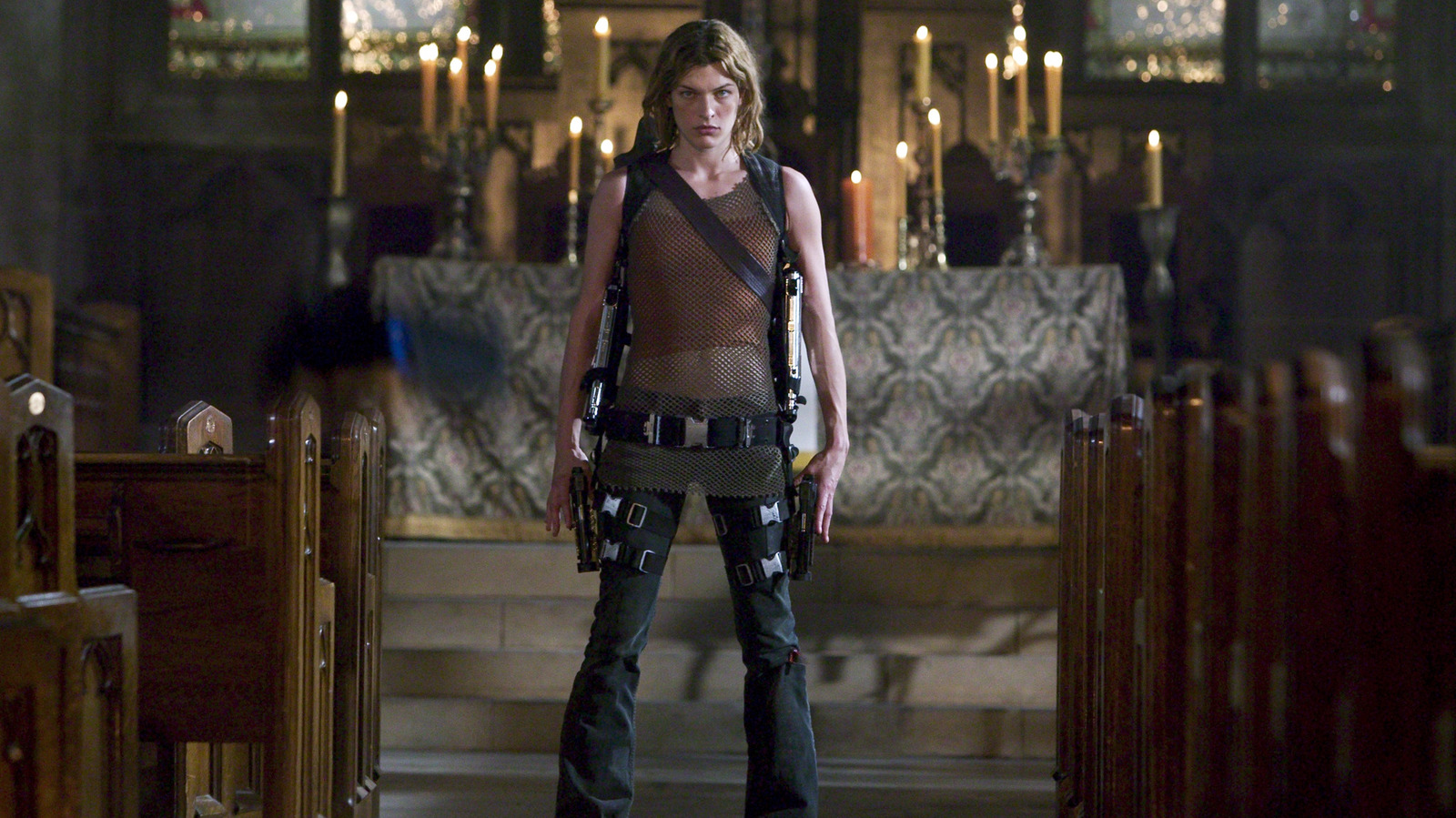
While the “Resident Evil” games are celebrated as some of the best survival horror games (alongside “Until Dawn,” which we’ve reviewed), their film adaptations are rather divisive and rejected by critics and viewers for their mediocrity. Although I only played two of the games, I think many gamers and movie lovers would agree that, apart from the first 2002 “Resident Evil” film — which Paul W.S. Anderson somehow managed to turn into a guilty pleasure — the rest of the instalments were nothing but hot garbage. And I don’t just mean that in the category of video game adaptations, but as mid-budget mainstream horrors made for the silver screen. The late legendary critic, Roger Ebert, was very much of the same opinion when he first saw these monstrosities, and he didn’t hold back at all when reviewing the first sequel in the franchise, “Resident Evil: Apocalypse.”
In his 2004 review, Ebert scathingly wrote, “The movie is an utterly meaningless waste of time. There was no reason to produce it, except to make money, and there is no reason to see it, except to spend money. It is a dead zone, a film without interest, wit, imagination or even entertaining violence and special effects.” If you’re wondering, he hated the first movie almost as much two years earlier. Ebert gave it one star out of four, half a star more than “Apocalypse,” and made fun of its plot and dialogue with ironic comments.
However, after seven movies and a TV show, there’s an upcoming adaptation on the horizon that actually has potential to be good for a change.
The 2026 reboot of Resident Evil has a huge chance to fare better than its predecessors
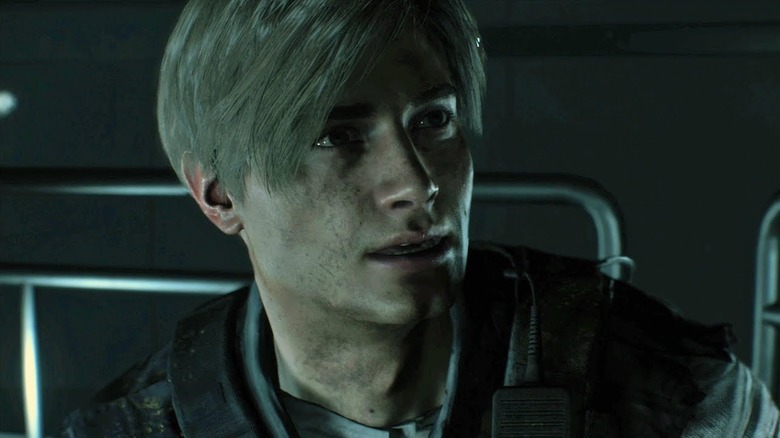
Scheduled to be released in the second half of this year, 2026’s “Resident Evil” will be directed and co-written by none other than Zach Cregger — the actor-turned-director who was busy in the past few years revitalizing the horror genre with two wildly successful features, “Barbarian” and “Weapons.” As he pointed out in a THR interview, he only wanted to take on the project if he could write it, which suggests the kind of dedication and confidence the franchise desperately needs. Given that the cast already includes such talents as Paul Walter Hauser, Zach Cherry, Kali Reis, and Austin Abrams (who worked with Cregger in “Weapons”), the potential of this reboot already looks about ten times better than it did in any previous instalments.
In addition to that, Cregger already confirmed that his film won’t feature any of the main characters from the games, but a different story. As he told Fangoria last year, “I’m telling my story that exists in the world of ‘Resident Evil 2.’ You could play ‘2’ and never know that the events of my story are happening right over there, but they are. I’m following the rules, but I’m not claiming any key, canon characters because we have those in the games.” That approach and mindset might just be the rejuvenation the film series needs to shake things up and vastly differ from the exhausted formula the previous adaptations went for. We might finally get a “Resident Evil” film that won’t make Roger Ebert turn in his grave and actually deserve praise and celebration. You’d love to see it.