OpenAI’s Codex AI coding assistant is having a growth spurt. OpenAI tells Fast Company that its weekly active users have tripled since the start of the year, while overall usage (measured in tokens) has increased fivefold. The surge is likely driven by the release of new models—GPT-5.2 last December and GPT-5.3-Codex in early February—as well as the launch of Codex’s app version a few weeks ago. OpenAI says the app has been downloaded more than a million times. Across all access points—including the cloud, app, and command line—more than a million developers and other users now rely on Codex at least once a week, according to the company.
Generating computer code has emerged as one of the first AI applications making a measurable impact in business. But tools like Codex and Anthropic’s Claude Code have evolved far beyond simple code generators. Powered by more capable models, they function more like assistant engineers—able to converse with developers in plain language about a new software project and iteratively develop a plan. The agent can then execute that plan, which may include analyzing a broader codebase, writing and revising code, conducting research, running tests, and producing documentation. When finished, it can explain its reasoning and the decisions it made to the human engineer.
More importantly, Codex has evolved into an agentic platform, where multiple agents can carry out many of these tasks simultaneously across different pieces of a software project. They can hunt for bugs, for example, while an engineer reviews progress, focuses on another assignment, or steps away for lunch. Peter Steinberger, the OpenClaw creator and an elite-level coder, calls this new mode of working “agentic engineering.”
The tools have evolved quickly. Codex and Claude Code both launched in the first half of 2025. OpenAI had previously introduced a Codex model in 2021—the system that powered the early AI coding assistant GitHub Copilot—but the Codex coding assistant that exists today debuted in May 2025.
Thibault Sottiaux, who leads the Codex group at OpenAI, says the product got a major boost with the December 2025 release of the GPT-5.2 model, which he says can hold more project data in memory and reason over it more effectively than earlier versions. “The model was more reliable—working by itself autonomously and reaching really good results,” he tells. Fast Company.
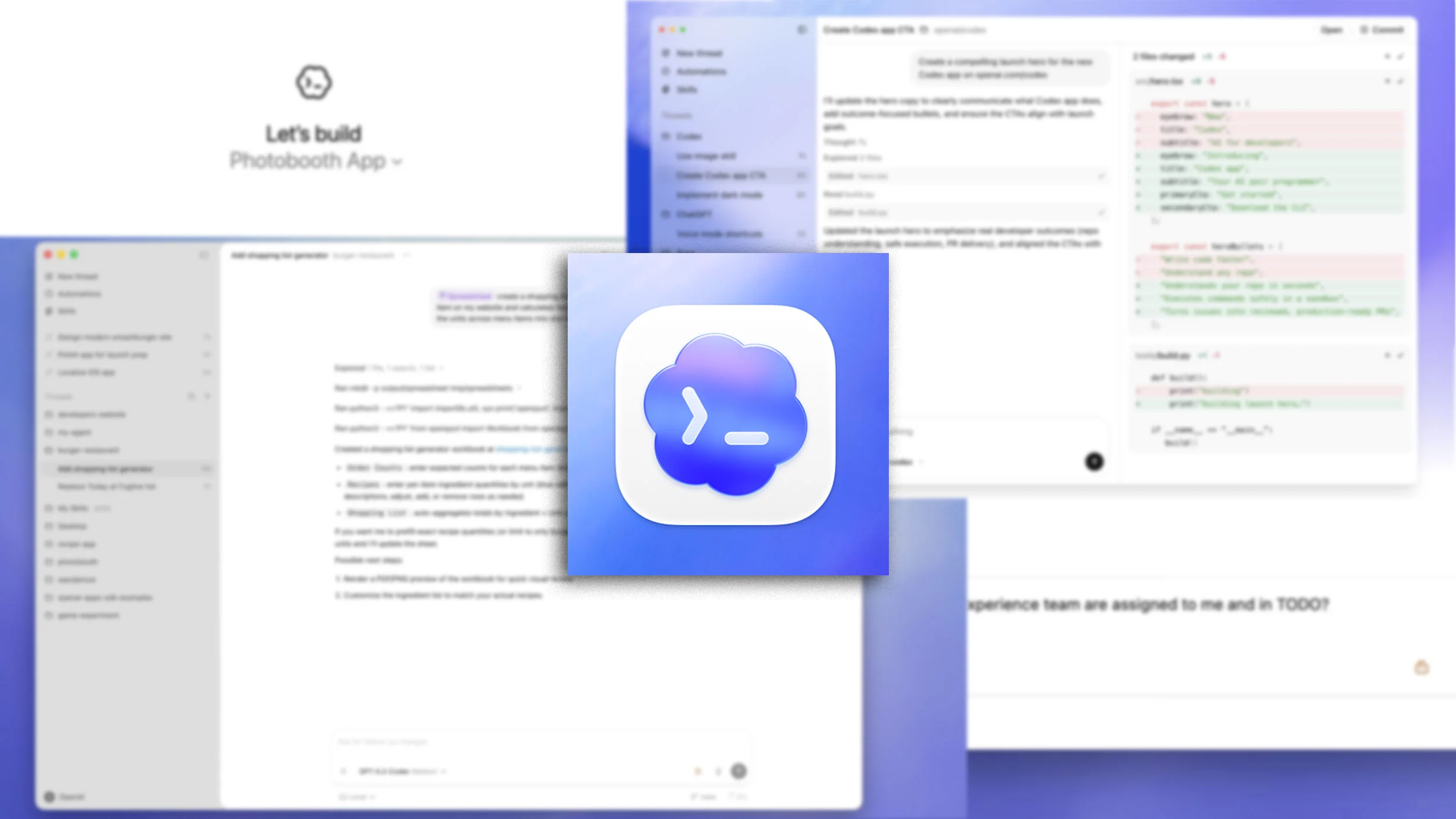
Codex’s user base broadened again with the February 2 release of the Codex desktop app for Mac, which OpenAI describes as a “command center” where users can deploy and manage multiple agents. The company says more than half a million people are now accessing Codex through ChatGPT’s Free and Go subscription tiers, and it believes many of them are non-coders, since power users typically rely on higher-priced plans that offer greater usage limits and faster speeds.
The biggest bang came with the February 5th launch of GPT‑5.3‑Codex, which substantially improved Codex’s coding chops, as well as its capacity for reasoning its way through complex, long-running tasks that involve research and tool use. In