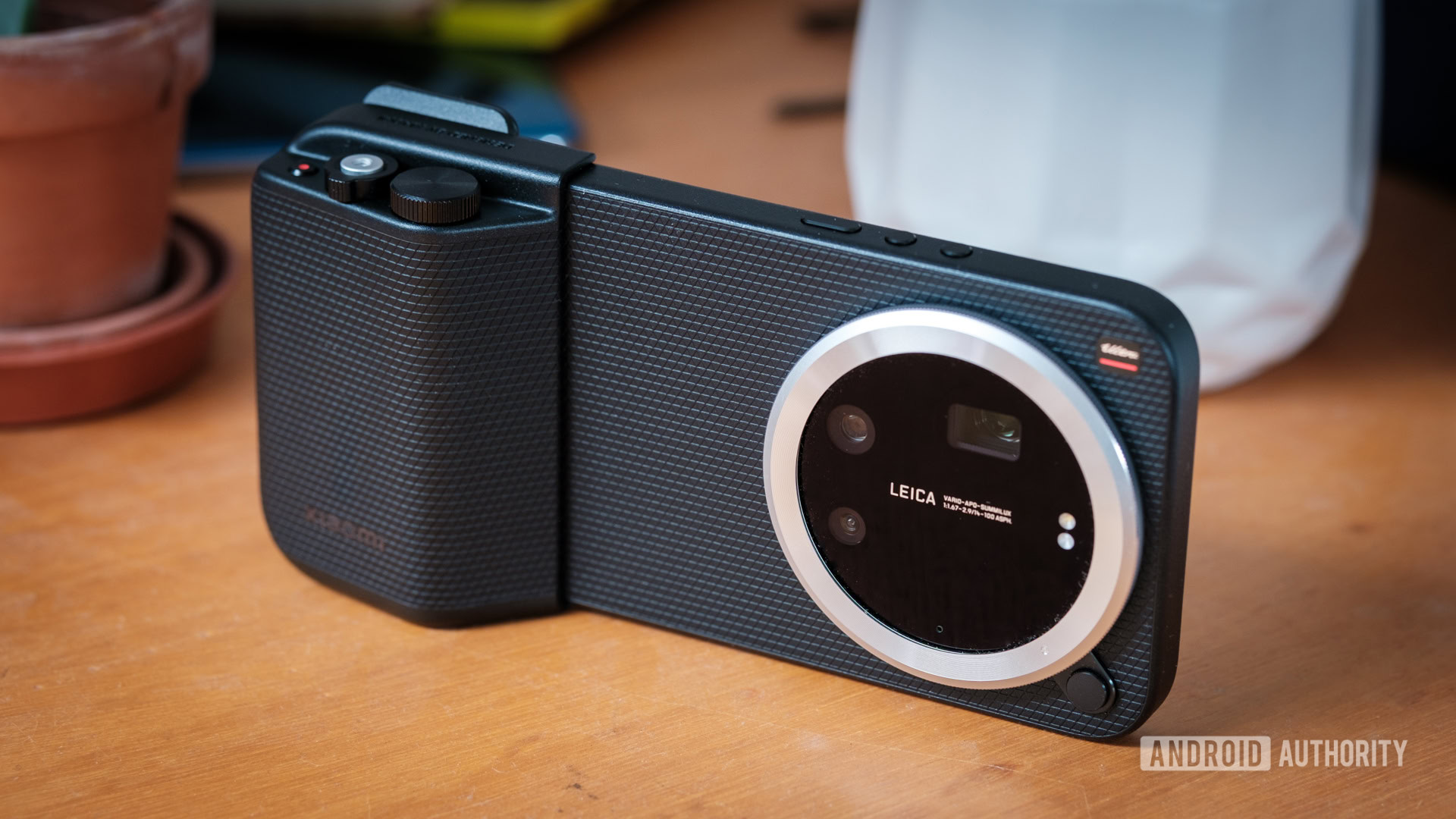
For photographers and videographers — especially zoom lovers — the Xiaomi 17 Ultra stands above its rivals in image quality. It’s also a superb all-around flagship with top-tier performance, strong battery life, fast charging, and a gorgeous display. HyperOS may feel quirky to some, but this is undoubtedly one of the best phones of 2026.
As a hobbyist photographer, 2025’s hugely impressive Xiaomi 15 Ultra finally converted me. I’d long had Xiaomi in my peripheral vision but so often been put off by its China-oriented software touches and excessive bloat. While the handset offered impressive hardware across the board, it was the camera package’s impressive results that really sold me on the phone. It claimed my prize for the best premium camera phone so comprehensively that I was seriously contemplating dropping my Fuji mirrorless for it.
So, of course, I was very excited to have its successor, the Xiaomi 17 Ultra, come across my desk. Its claim to photography fame is a new variable focal length, variable aperture Leica Summilux lens, which sounds like something you’d expect on a fully fledged mirrorless lens. Of course, the phone is backed by other mobile technical marvels, including the fastest processor Qualcomm has to offer and cutting-edge battery technology, too.
Can this Ultra phone command one of the steepest price tags in the business? I’ve been using the handset for a few weeks to find out.
More camera than phone

Robert Triggs / Android Authority
Sporting a 3.2x to 4.3x variable zoom camera with a colossal 200MP count, large 1/1.4-inch sensor, and f/2.4-3.0 aperture, the Xiaomi 17 Ultra is built for zoom. Paired with a 50MP Light Fusion 1050L sensor with a f/1.67 main lens, and 50MP, f/2.2, 115° ultrawide, this triple camera package promises top-tier versatility and the best image quality mobile can buy. But let’s see if that’s true. You can find the full-res zoom pictures and all the rest of my samples (and more) in this Google Drive folder.
Before getting into the image quality, I want to make an important note on the variable lens. In all honesty, it’s not a hugely useful tool in and of itself. The difference between 3.2x and 4.3x (or 75mm and 100mm, if you prefer focal length nomenclature) makes very little difference to the framing available for your pictures. While it’s nice to be able to pick from pretty much flawless zoom quality rather than wrestling with digital upscaling, the range is just very narrow to make a huge difference to how you frame and capture shots. Likewise, the sliding f/2.4-3.0 aperture means depth of field is pretty consistent as you move through the zoom.
That said, the variable zoom lens is by far and away my favorite lens on the camera. The longer focal length and natural bokeh fit my preferred shooting style, allowing me to crop in closer to subjects, capture macros with silky bokeh, and pick out details at range, all from one camera. While I still find the wide camera useful (and occasionally the ultrawide for landscapes), the variable optical lens sits in just the right range for getting that bit closer to your subject. The same camera also extends super far, thanks to its 200MP resolution. At 8.6x, the camera is essentially binning from 50MP rather than 200MP, which is still plenty for most dim light situations. Even at 17.2x, the camera can take a 12.5MP crop from this same sensor (although I suspect Xiaomi is doing multi-frame processing for light and detail here), allowing the same camera to capture close-up portraits and macro shots at 3.2x, and go right out to long-range telephoto images.
In terms of image quality, the Xiaomi 17 Ultra is undoubtedly at the top of the mobile pack. Superb light capture, robust colors, and high dynamic range are present in virtually every picture I snapped, regardless of which lens I used. The 20x low-light shot in the gallery above blows the likes of the iPhone and Pixel out of the water for low noise and detail, and I have complete faith in the phone to capture something good-looking, no matter the environment. Of course, there are some subjective elements to Xiaomi’s photography pipeline; colors are sometimes heavy on the saturation, and exposure can be a little dark at times, but those occurrences can easily be corrected.
Thankfully, there’s just as much versatility in the phone’s software as its hardware. Xiaomi ships the handset with two color profiles — Leica Vibrant and Leica Authentic. Vibrant is the default mode, for some reason, and I’ve left it enabled for all my photos in this shootout for that reason, even though I prefer the second option. In addition, the camera app and Gallery editor offer a wider range of filter options to stylize your pictures after pressing the shutter.
Back to zoom, the 3.1x to 3.2x example above shows the difference in natural bokeh and background compression that the 3.2x to 4.3x variable optics bring to the table. This helps the phone produce images that are much harder to tell apart from my mirrorless in terms of composition and look. Unfortunately, one downside of moving the camera modules around seems to be that Xiaomi has undone its previous hard work in matching color profiles across the cameras. It’s not a major drawback, but it does make for some inconsistent results, as we’ll see later.
The Xiaomi 17 Ultra the most versatile camera phone ever made.
Much like its predecessor, portrait photography is where the Xiaomi 17 Ultra really shines. This year, we have the added benefit of using that 200MP camera’s 75mm variable focal length to bring it into the upper end of the ideal range for portrait photography. 100mm really starts to suffer from facial compression, resulting in an overly wide appearance with flat features.
As you’d expect, the phone handles portrait photography brilliantly. Thanks to the large image sensor, exposure and contrast are spot on. Even with bright backlighting or dim indoor lighting, portrait mode seldom struggles to find the right balance to make sure your subject pops in the image. Thanks to the natural bokeh of the 75mm lens, the rear camera doesn’t have to rely heavily on software bokeh for dreamy backdrops, though it remains an option, ensuring robust foreground and background separation. The results are very comparable to what I can obtain from my mirrorless, but without the usually necessary RAW tweaking in post.
Perhaps most important of all, skin tones and textures are accurate and realistic; not too oversharp, soft, or oversaturated. This is where the iPhone, Pixel, and Galaxy all fall down in my estimation, showcasing that better hardware is still the key to achieving superior portrait photography. That said, Xiaomi’s color processing remains a little on the vivid side with the default Master Portrait color setting, but you can temper this by switching to Leica Portrait. Likewise, I wouldn’t disagree with complaints that portraits can come out looking overly bright and flat — but that’s a worthwhile trade-off for consistency.
Selfies are equally robust in terms of color and texture, though the smaller front-facing image sensor makes these results a bit more susceptible to odd issues, such as familiar software bokeh smudging. I found skin textures to be a little harder after Xiaomi’s sharpening pass, but the results are still as good or better than many rival phones, especially in difficult lighting. The smaller camera also struggles a bit more at balancing bright backgrounds than the rear camera (it would be better for the outdoor selfie to clip the clouds and brighten my face), but again, that’s more the rear camera setting a very high bar — these selfies are still very good.
Truly great but not quite perfect in every shot
All of this said, I don’t think the Xiaomi 17 Ultra is a flawless camera package — nothing is ever perfect. Close inspection of some of my pictures, regardless of the lens used, reveals unsightly post-processing artifacts in a number of them. Heavy use of denoising and sharpening (an issue I really hoped we’d have solved by now), coupled with pixel binning, leaves fine details looking mottled and ill-defined rather than natural and sharp. This is particularly noticeable at 2x, 8.6x, and 17.2x zoom, which relies on crops and digital processing rather than optical zoom. It also appears that fine detail often suffers from ghosting, likely due to multi-frame compositing.
Just like last year’s model, Xiaomi’s flagship can be too heavy on color saturation and tends to lean towards underexposure when there’s bright backlighting. This can result in pictures with heavily crushed shadows and overly high contrast. For every great couple of pictures the phone grabs, I’ve been left with the odd underwhelming one, or having to manually intervene with the phone’s exposure settings. This is less of an issue if you’re a fan of manual controls, but for a quick point-and-shoot, it can be a source of unnecessary frustration.
Unfortunately, my Xiaomi 17 Ultra isn’t the swanky Leica version with the Camera Ring. This extra lets you quickly jump into camera mode and map features like exposure or zoom level to the ring. This would undoubtedly be great to quickly correct these occasional issues, but I’m equally squeamish about putting my grubby fingers anywhere near the camera lens mid-shoot. So I’m happy to live without it
Xiaomi also sells Photography and Photography Pro case kits ($199 at Xiaomi), both of which feature dedicated shutter buttons and a grip with additional battery capacity to keep you topped up on the go. The Pro model comes with two additional mappable controls that I’ve been using to quickly adjust exposure and zoom.
Do I like these accessories? Absolutely. The only real drawback, besides the added cost, is their bulk, particularly for the Pro version. Thankfully, the battery-pack grip detaches, leaving you with a pretty standard-sized case for daily use. It’s easy enough to quickly grab the grip when you know you’ll want those extra features. The regular photography case’s grip doesn’t detach, which makes it feel a little bulkier, but it always comes with the extra camera goodies attached for when you need them.
An iPhone-rivaling video package as well

Robert Triggs / Android Authority
I’ll admit that I’m not as much of a videographer as I am a photographer, but I can certainly appreciate good footage when I see it. The Xiaomi 17 Ultra certainly feels like it closes in on the iPhone’s legendary status. Quality looks top-notch to my eye, offering exceptional dynamic range, judder-free frame rates, and colors that match those in photo mode. Xiaomi backs this up with a huge range of shooting options: up to 4K60 and 8K30 across all three of its lenses. Pro mode goes further with Dolby Vision and Log capture support, along with the usual manual configuration options.
The only exception to being able to shoot any mode on any camera is that 4K120 capabilities are limited to 1x primary and the 3.2-4.3x optical lens; you can’t use 2x or long-range zoom here, due to the costs of reading the pixel data. Likewise, the LOFIC video filter is exclusively on the 1x camera, since it’s the only sensor that supports this light-boosting technology for superior low-light and dynamic range performance.
Speaking of filters, Xiaomi doubles down here with a huge range of colors and “beautify’ options to add more unique flavors to your videos. There’s no iPhone-style cinematic mode here, but with the smooth bokeh from the wide-aperture 75mm telephoto camera, Xiaomi’s handset already offers the look naturally. What I can’t really get my head around are the Live Cinematography options, which essentially capture short clips using pre-programmed zoom intervals. This ensures smooth, seamless transitions between zoom levels, but I can’t say I’ve really found a regular use for any of them.
The Xiaomi 17 Ultra certainly feels like it closes in on the iPhone’s legendary videography status.
Again, I don’t think the variable focal-length aspect of the camera’s lens adds any extra utility for video capture; it’s still a frustratingly small zoom adjustment on its own. Still, the camera setup ensures that the Xiaomi 17 Ultra can offer high resolution, smooth frame rates, and superb dynamic range across all its lenses, making this a truly versatile setup for amateurs and expert videographers.
Give me all the specs

Robert Triggs / Android Authority
Of course, this is an Ultra flagship, which means powerhouse specifications across the board, not just in the camera department. The Qualcomm Snapdragon 8 Elite Gen 5 paired with 16GB of RAM flies through every task I throw at it. This includes powering through a selection of popular high-end Android games and emulators with rock-solid frame rates, without reaching ridiculous temperatures. While last-gen phones are already more than powerful enough, and I certainly wouldn’t buy a premium phone just for a new chip, the latest Snapdragon is that bit more futureproof, which is always nice.
What impresses me more is the way the Xiaomi 17 Ultra handles fast charging. It’ll now draw up to 100W through both Xiaomi’s proprietary and universal USB Power Delivery PPS chargers. That means I can fast-charge the phone as quickly as possible with the same power brick I use for my laptop and other gadgets. But just as importantly, Xiaomi now prompts you with charging-based notifications, like boost mode charging and screen-on throttling, that help ensure consumers can benefit from super-quick top-up times without sacrificing long-term battery health. This is undoubtedly the best fast-charging implementation in a phone I’ve seen to date.
Speaking of the battery, the larger 6,000mAh cell is based on Silicon-Carbon technology and marginally outlasts last year’s already-decently-sized 5,410mAh cell that Xiaomi launched in global markets. The phone performs a little better in all of our real-world battery tests, on average lasting about 4% longer. That’s not even close to game-changing and is probably a little disappointing given the seemingly large increase in battery capacity.
It just goes to show that hardware improvements and software changes can still come at a cost to longevity. Still, even a small battery benefit is welcome, and the Xiaomi 17 Ultra won’t struggle to keep even the most demanding users going for a full day and beyond.
The rest of the specs are standard, high-end features for a flagship smartphone. There’s an IP68 rating, 50W wireless charging, Wi-Fi 7, Dolby Atmos support, and a stunning 6.9-inch OLED display with a resolution of 2,608 x 1,200. A phone this size is always going to be bulky, and the new flat display doesn’t really help here. Still, the Xiaomi 17 Ultra won’t leave you wanting for hardware.
Hardware? Brilliant. Software? More than good enough.
The software setup, however, is more of a mixed bag. The handset ships bloated with features Western consumers might not appreciate. Between App Mall, Xiaomi Home app, Mi Store, and other ecosystem and third-party apps (ranging from Amazon Shopping to Spotify), there’s a lot of clutter to get rid of to set things up just how you like.
Xiaomi’s left/right notifications and quick settings split is a well-documented point of contention, but I found requiring a Xiaomi account to access the Gallery app’s UltraHD editing option far more irksome. Likewise, I couldn’t get the Mi Browser’s “OmniAsk” AI assistant to respond to anything, which suggests the phone’s growing number of AI features may be more knee-jerk reactions to market trends than genuinely useful additions.
One final note on software: Xiaomi didn’t state exactly how many years of software updates it will receive ahead of writing this review. However, it should be at least on par with last year’s Xiaomi 15 series, which offered four years of OS updates and six years of security updates. That’s nowhere near the level I’d ideally want for a phone that’s this expensive, but it’s not enough to put me off considering how good everything else is.
Xiaomi 17 Ultra review verdict: Should you buy it?

Robert Triggs / Android Authority
For photographers and videographers, especially those who love to zoom, I certainly rate the Xiaomi 17 Ultra very highly. In fact, I’m willing to place it far above the Google Pixel 10 Pro XL ($1199 at Amazon) if price is no object, and am positive it’ll outperform the newly announced Samsung Galaxy S26 Ultra ($1299.99 at Samsung), too. Xiaomi’s closest competitor for image quality is probably the OPPO Find X9 Pro ($1515 at Amazon), and China’s best brands are only extending their lead here.
Xiaomi has undoubtedly built a brilliant all-around powerhouse flagship as well. Offering blistering performance, all-day battery life, quick charging, and a sumptuous display. However, if you’re coming from a Galaxy or Pixel, you’d have to learn to live with HyperOS’s quirks and bloat. Still, the software setup is a very usable Android skin at the end of the day.
The Xiaomi 17 Ultra isn’t a meaningful leap over its predecessor, but it’s still the very best camera phone if money is no object.
If I had a small complaint, it’s probably that the Xiaomi 17 Ultra isn’t a particularly meaningful leap over its predecessor, and it’s still very expensive at €1,499 (~$1,771). Between pretty familiar battery life, performance that’s already overkill, and a virtually as powerful camera package, it might still be worth picking up last year’s model if you can find it at a discount.
Then again, which series is still providing huge gen-on-gen leaps? And while it’s a non-starter for all but the most dedicated US buyers who can live with high import fees and carrier compatibility issues, for the rest of the world, the Xiaomi 17 Ultra is a phenomenal piece of camera hardware that’s a fine phone, too.
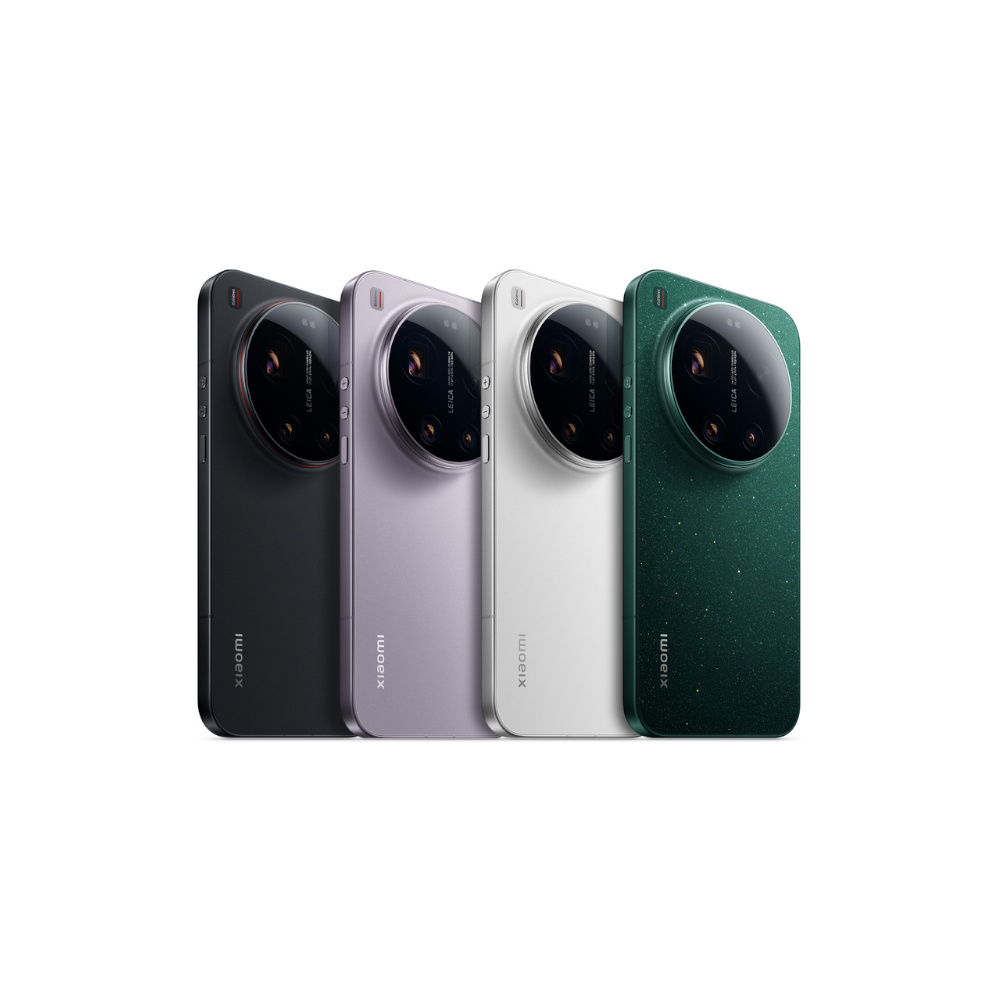

200MP Leica camera • 6,800mAh battery • Super-fast universal charging
MSRP: €1,499.00
200MP Leica camera, thinnest Xiaomi Ultra model to date
Xiaomi 17 Ultra is the first model in the Ultra line to feature a flat display, while continuing the overall design language of Xiaomi 17 Series. It is equipped with a triple-camera system consisting of a 14mm ultra-wide lens, a 23mm Leica 1-inch ultra dynamic camera, and a Leica 200MP 75-100mm optical zoom telephoto camera.
Positives
- Amazing camera setup
- Great camera accessories
- Super-fast universal charging
- Two-day battery life
Cons
- HyperOS bloat
- Questionable AI features
- Expensive
Thank you for being part of our community. Read our Comment Policy before posting.