The answer to America’s submarine bottleneck, the US Navy has decided, lies as much in software as it does in steel. A new multibillion-dollar facility in Cherokee, Alabama, aims to harness AI and robotics to build submarine components faster and more reliably.
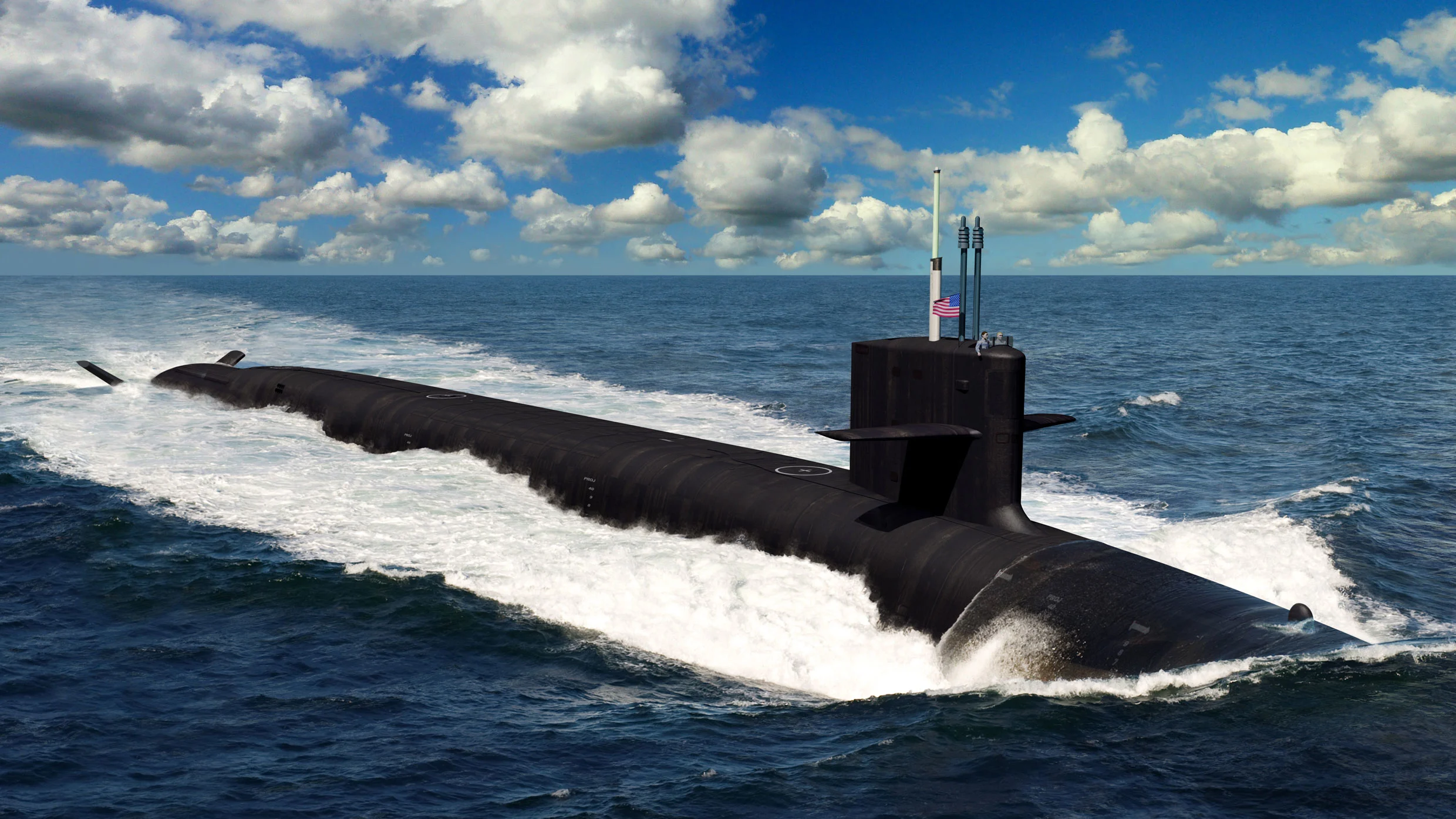
The automated “factory of the future” will produce parts for the Navy’s Virginia-class attack submarines and Colombia-class ballistic missile submarines, both central to the US fleet. It will cost $2.4 billion to develop.
“This factory is the first of three facilities designed to address the most critical bottlenecks in the maritime industrial base,” said John C. Phelan, secretary of the Navy, in a statement. The bottleneck is significant: a shortage of labour.
The project is a major public-private push to revive US submarine manufacturing capacity through heavy automation, says Chris Power, founder and CEO of Hadrian, the company behind the Alabama facility. “In the US, just the submarine program alone is 70 million man hours in deficit,” Power says, noting that the gap traces back in part to the offshoring of manufacturing jobs in the 1980s and 1990s. “There aren’t that many skilled workers to hire.”
The company’s answer is to layer in automation and AI. “We have to give the American workforce superpowers of AI and robotics to allow them to be more productive,” Power explains.
He says the site will begin producing components and large subassemblies later this year, then ramp up over the following 18 to 24 months. The goal is to automate “80% to 90% of the key efforts that are really complicated.”
That productivity push comes as the US faces mounting geopolitical pressure, with demand for military hardware unlikely to ease. Automation may help close the production gap. It does less to solve what happens after deployment, when equipment breaks and needs to be fixed.