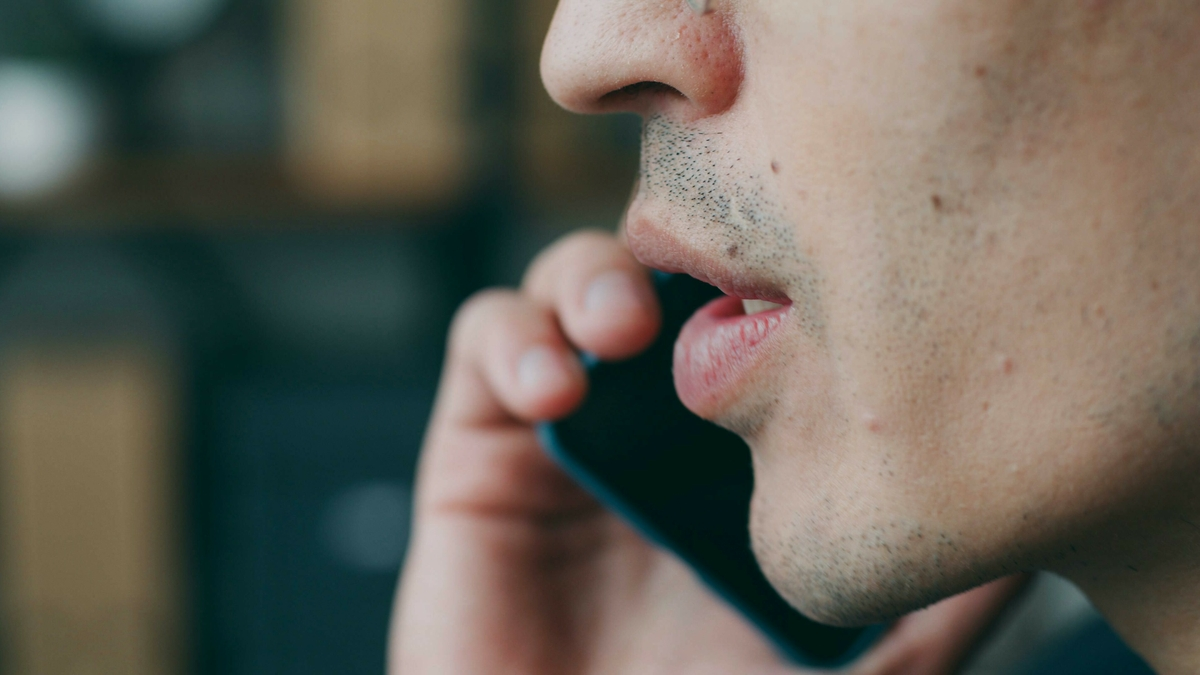
The scenario has become sadly classic: your phone rings, displaying an unknown but credible number. By reflex, you pick up and say “Hello?” “. There is total silence on the other end, then the call is abruptly cut off. You think it’s a handling error or a network problem, but the reality is much more worrying. There was nothing accidental about this call; this was the first step in a scam meticulously orchestrated, designed to trick you using the latest technology. Cybersecurity experts, like those at Bitdefender, are sounding the alarm about this growing threat.
How can a simple word be used against you?
Behind these silent calls hides a double objective for the fraudsters. The first is purely logistical: the fact that you drop out confirms that your number is active and used. This simple information has value, because your number can then be included in lists of potential targets, then sold on the dark web for future phishing campaigns or other scams. This is a way for them to qualify their databases at a lower cost.
But the main danger lies in the second phase: voice capture. Your “Hello?” » or any other word spoken constitutes a usable voice sample. Thanks to the dazzling progress ofartificial intelligencejust a few seconds of your voice is enough to create a realistic voice clone. As Bitdefender points out, “ copying voice, timbre and intonation is much simpler than people think “. This technology, once complex, is now accessible to malicious people.
What are the concrete risks of voice cloning?
Once your voice has been cloned, the possibilities for scams become multiple and formidable. Fraudsters can use it for attempts toidentity theft very convincing. One of the most common scenarios is to contact your loved ones by imitating your voice. They then create a fictitious emergency situationsuch as an accident or an arrest abroad, to extract money from them urgently.
Fraud is not always immediate and can occur several weeks or months after the initial silent call. Voice recordings can also be used to deceive customer service or communication systems. banking security that use voice authentication. The goal is always the same: to obtain personal information, access to accounts or directly money. The sophistication of these attacks makes detection particularly difficult for victims and those around them.

What precautions should you take to protect yourself from this threat?
Faced with this discreet threat, the best defense remains prevention and vigilance. The first golden rule is simple: if you answer and no one is speaking, hang up immediately. Don’t insist, don’t ask questions and above all, don’t say words like “yes” which could be easily exploited. Silence is your best ally. Ideally, say nothing and wait for your interlocutor to show up.
It is also advisable to block and report systematically suspicious numbers. Never call back an unknown number that left you with a missed call, as it could be a premium rate number. It should be noted that scammers often use spoofing to hide their real number and display one that appears local or legitimate, such as that of a government or a known company. So stay on your guard, even if the number displayed seems familiar to you.