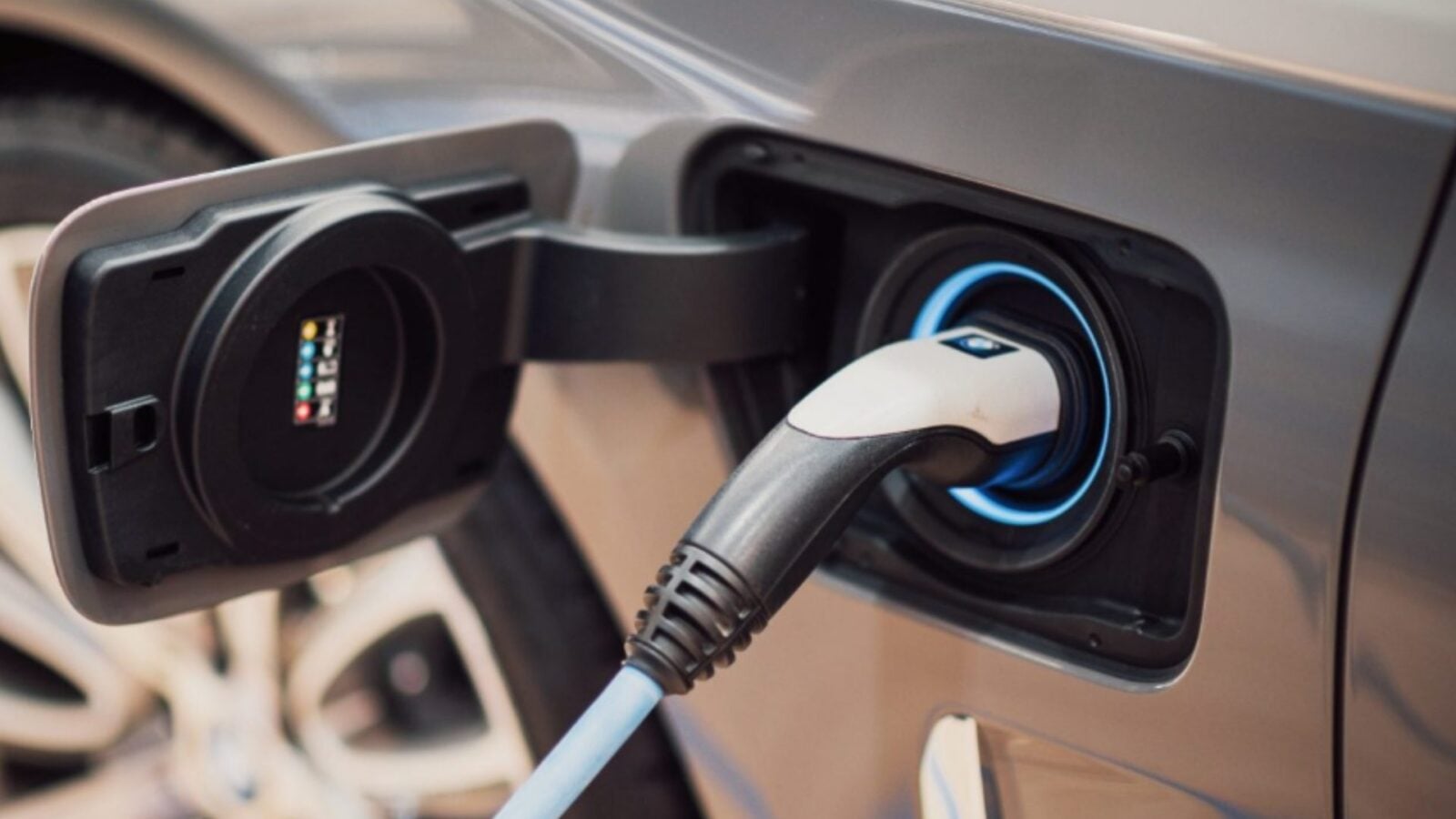
The batteries of plug-in hybrid cars wear out faster than those of 100% electric vehicles, according to a study. Among the 2,000 vehicles used as part of this study, 4.7% of plug-in hybrids have a health status of less than 85%, compared to 1.5% for electric ones, highlighting risks for second-hand purchases.
Are you on the second-hand market and you are hesitating between a 100% electric car and a plug-in hybrid model? A major criterion must be taken into account. Indeed, a study carried out by Generational, a British start-up specializing in battery diagnostics, demonstrated that the batteries of certain hybrid vehicles wear out more quickly than those of 100% electric. How can this difference be explained and, above all, what consequence does this have when purchasing a used electric or hybrid vehicle?
The batteries of plug-in hybrids would age faster than those of 100% electric cars
To carry out its study, the start-up Generational brought together no less than 2,000 vehicles : 1,000 plug-in hybrid vehicles (PHEV) and 1,000 100% electric vehicles (BEV) of similar age and mileage. At first glance, the results seem to put these two types of vehicles on an equal footing: the average state of health of the batteries shows 94.94% for fully electric cars and 94.27% for plug-in hybrids. Suffice to say that the difference is minimal.
However, this study reveals the deficiencies of certain plug-in hybrid models. In fact, 4.7% of the plug-in hybrids used as part of this test display a state of health less than 85%compared to only 1.5% for electric cars. The number of damaged batteries is therefore three times higher for plug-in hybrid vehicles than for fully electric cars. Remember that the average state of health of the batteries of these two types of vehicles was good, but the high percentage of worn batteries on the hybrid side still raises questions regarding the second-hand market for electric vehicles.
Why do plug-in hybrid batteries run out of steam faster than those in 100% electric cars?
The first explanation is simple: the 100% electric car is designed from A to Z around the integration of a battery, while hybrid models must do so. coexist a thermal engine and an electrical systemoften offering less sophisticated thermal management due to lack of space.
As the report of this study explains: “ The battery of a PHEV (hybrid model) undergoes much greater cyclical stress “. In addition, the batteries of hybrid models being much smaller than those of 100% electric, they are much more heavily used (more frequent discharges and complete recharges). It should also be noted that hybrid vehicle drivers tend to drive more disparatewhich damages the battery cells.
Therefore, a 100% electric car displaying a significant number of kilometers on the meter may present better health than a hybrid model which has traveled fewer distances. The number of kilometers on the odometer is no longer the main criterion when purchasing a 100% electric or hybrid vehicle second hand : it is mainly the state of health of the battery (SoH) that makes the difference.
👉🏻 Follow tech news in real time: add 01net to your sources on Google, and subscribe to our WhatsApp channel.
Source :
Battery Tech Association