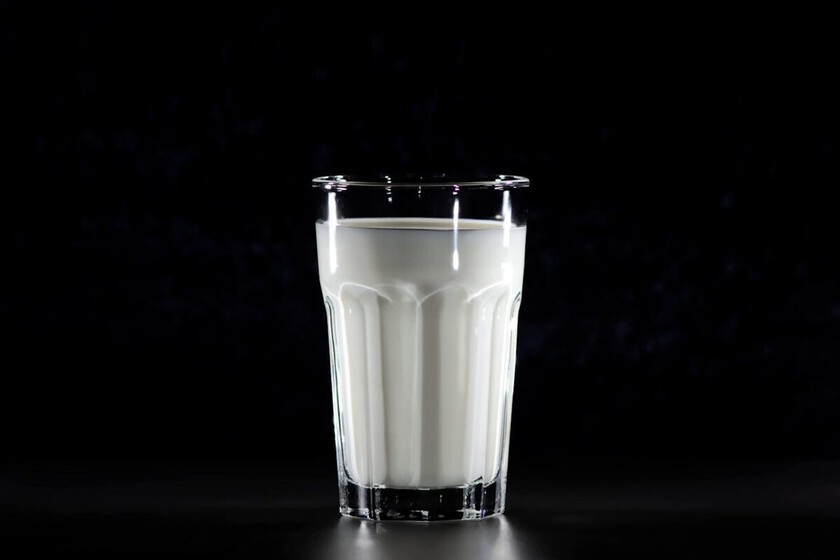
In recent years, plant-based drinks have become an alternative to conventional milk. “They destroy” some experts have said. And these drinks are no longer just the resource of those who avoid products of animal origin or the lactose present in milk and have become another option for many.
The question of the extent to which these alternatives are nutritionally comparable is very different.
A whole series of studies. A whole series of analyzes of nutritional properties of some plant-based milk alternatives (PBMA) are drawing a clear horizon. The team responsible for the study observed that some chemical reactions in the process of these drinks reduced the nutritional contribution of the final product. There are more studies in recent years, but they all go along the same lines.
That these types of alternatives are less nutritious than milk is not a big surprise, just compare the nutritional values of both foods. The study in question shows us the reason for this difference and indicates that its magnitude could even be greater than we believed.
Maillard’s reaction. The key is in the Maillard reaction. This is a chemical reaction that usually occurs when heating some foods and we usually associate it with color since it is the reaction that occurs, for example, when toasting bread. The changes in the chemical composition of the food associated with this reaction also affect the flavors and nutritional contribution of the product.
The question of the extent to which these alternatives are nutritionally comparable is very different.
Different processes. Both the milk we drink and PBMA drinks are processed foods, although the difference is important. While the milk goes through minimal processing, typically ultra-pasteurization (UHT); Vegetable alternatives are processed foods that include steps that seek to resemble the final result to animal milk. These alternatives are also subjected to a UHT process, as explained by the team responsible for the study.
12 “milks”. The team compared 12 different drinks: two dairy drinks and 10 plant-based drinks. The team compared the drinks based on their nutrients and examined them for the presence of Maillard reaction products, or MRP, in these drinks.
The team quantified the amount of protein present in milk at 3.4 grams per liter. Of the 10 alternative drinks studied, only two exceeded this amount, while the rest contained between 1.4 and 1.1 grams per liter. The amount of essential amino acids present in these plants was also lower in plant milks. They also found a higher amount of sugar in seven of the ten vegetable drinks.
In their analysis, the team found various MRPs in plant milks. Among these compounds were acrylamides, found in oat and almond milk. The team points out that their low presence was not alarming, and that the probable origin of these was in the previous roasting process to which almonds and oats were subjected. Details of the study were published in an article in the journal Food Research International.
Interpreting the data. Does this mean that we should avoid plant-based alternatives to milk? Well probably not. The reasons for choosing one type of drink or another may vary and may not always depend on the nutritional contribution. For example, the decision may be based on environmental criteria. In any case, for this type of decisions it is convenient to have accurate information.
Above all, because as I say ‘nutritional composition’ and ‘poor health’ do not always go hand in hand. Sometimes, it’s even good. In March 2026 it was published in Advances in Nutrition The first meta-analysis on the cardiometabolic impact of vegetable drinks and the results are clear: replacing cow’s milk with soy drink reduces LDL cholesterol and can reduce blood pressure; oat drink shows favorable effects on total cholesterol, etc, etc, etc.
According to the original study team, the key should be better labeling that helps consumers choose the product that best suits their needs. “If there were requirements for producers to specify on the labels how many essential amino acids the drink contains, it would give consumers a clearer picture of the quality of the proteins,” Marianne Nissen Lund, co-author of the study, explained in a press release.
Lund and his colleagues also highlighted the importance of reducing our consumption of processed and ultra-processed products in general. Not only as a way to eat healthier but also to do so in a more sustainable way.
A version of this article was published in in 2025
In | Fish milk, Indonesia’s idea to create a substitute for cow’s milk. And they are not the only ones
Image | Alexa Photos