Times could hardly be worse for users looking for a new laptop. The ongoing memory shortage is currently ensuring that existing hardware such as the Playstation 5 or the Steam Deck is not becoming cheaper, but is steadily becoming more expensive. New devices are also affected. Microsoft had introduced a version of the Surface Laptop that will be launched later this year starting at $1,299. With only eight gigabytes of built-in RAM.
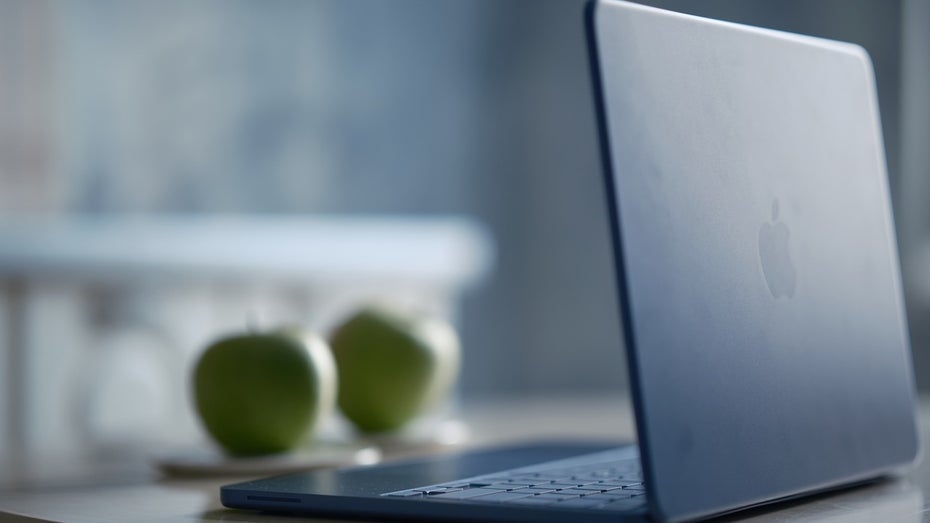
A Macbook Neo from Apple almost seems like a bargain. There are also only eight gigabytes of RAM installed here. Instead of an M-, however, an iPhone processor is used. It’s fast enough for the office and for surfing the Internet – and can be installed inexpensively for Apple. The company is charging 699 euros for the device. In many places it is even cheaper to get, although market observers initially assumed that Apple was facing delivery bottlenecks due to its popularity. Nevertheless, the Apple laptop is in demand among buyers, as the comparison portal Idealo shows. Definitely a reason for the competition on the Windows market to jump on the hype.
Macbook Neo competition from Computex
This becomes obvious when you look at the innovations at Computex, which takes place in Taiwan from June 2nd to 5th. This is the largest IT trade fair in Asia, practically the counterpart to the CES, which takes place annually in January in Las Vegas, and to the IFA in Berlin, which traditionally opens the halls at the beginning of September. Many well-known manufacturers will be showing their new products for the computer market on site. Nvidia is there with the new RTX Spark chip, an alternative to Intel and AMD processors. But Acer, Asus and Dell are also among the exhibitors. Some with laptops in the price range of the Macbook Neo, but some of which should be able to do more.
Editorial recommendations
${content}
${custom_anzeige-badge}
${custom_tr-badge}
${section}
${title}
Acer Swift 14 Air is also coming to Germany
Included is the Acer Swift 14 Air. The fact that the manufacturer from Taiwan is trying to emulate Apple is clear from the case colors. The design does not correspond exactly to that of Apple. Blue, purple, pink, green. This is reminiscent of the Neo (yellow, pink, silver, blue), although the lid is designed slightly differently. The casing is made of aluminum, like Apple’s. Instead of just two, three USB sockets are installed: one USB-A and two USB-C ports. The latter support Thunderbolt 4.

The Acer Swift 14 Air will also be launched in Germany. A video codec then remains without function. (Image: Acer)
At 350 candelas per square meter, the screen is darker than that of the Macbook, at least on paper. The resolution is also lower at 1,920 x 1,200 pixels. The Air supports a frame rate of 120 Hertz. The Apple laptop only has 60. The other equipment for the entry-level device: 512 gigabytes of SSD storage, eight gigabytes of RAM and a Core Series 3 processor (Wildcat Lake) from Intel. Acer is asking $699 for this entry-level variant. According to Heise, the device costs 800 euros in this country. Acer is currently not allowed to sell some laptops in Germany due to a patent dispute. In order not to infringe the patent in question, the company simply switched off a video codec.
Dell XPS 13 with an open declaration of war
The next challenger is Dell with the new XPS 13. The series is generally considered a Windows alternative to the Macbook Air. This time, however, the US manufacturer is targeting price-conscious buyers. That’s what they promised at the CES in January, according to the press release. Quite unusual: It also contains an open declaration of war on Apple. The Macbook Neo is “a powerful device and its launch confirms that there is a real interest in premium quality at affordable prices,” it says. The difference at Dell lies in how they define the term “premium” in this segment.

The new, affordable version of the Dell XPS 13 is said to be particularly suitable for students and office tasks. (Photo: Dell)
And so Dell advertises what the XPS 13 has but the Neo doesn’t. These include Wi-Fi 7, four speakers, two USB-C 3.2 ports and a backlit keyboard – one of the biggest criticisms of the Neo. In addition, according to the manufacturer, the XPS 13 only weighs one kilogram. At 13.4 inches, the screen is larger and the edges are smaller than on the Neo. The Dell laptop also offers a variable frame rate between 30 and 120 Hertz, which adjusts automatically. The other features are reminiscent of the Acer. Intel Core Series 3, eight gigabytes of work, but only 256 gigabytes of SSD storage. Cost: $699. However, students only pay $599. Like the Neo.
Asus Vivobook S14 with little information
At Asus, the Macbook competitor is called the Vivobook S14. On its press page, however, the company only advertises a version as a Copilot Plus PC with a Snapdragon processor from Qualcomm and an OLED screen. According to Computerbase, the local company also offers variants with Intel’s Wildcat Lake processors. As with the competing models, eight gigabytes of RAM are installed, plus an SSD with 512 gigabytes. The external accessories include two USB-A and -C ports, an HDMI output and a headphone jack.
Information about the resolution of the screen and the price remains initially unknown. It’s quite possible that this won’t be important for German customers anyway. Finally, Asus is affected by a sales ban in Germany due to the same patent infringement as Acer. He currently only sells screens, motherboards, graphics cards and network components in his own shop in this country, but not computers.
The lifestyle factor is missing
Technically, the three devices mentioned are partly superior to the Macbook Neo. However, the Neo has something that the competition cannot offer: the Apple logo on the lid. This lifestyle factor is certainly not to be underestimated. After all, there have always been cheap alternatives to Macbooks, just not a cheap Macbook. This fact is likely to also influence the purchase decision of price-conscious users.
A second factor: All three devices are of course notebooks with Windows 11. The system repeatedly causes a stir with incorrect updates that disable functions or lock out users. Added to this are the many AI functions that Microsoft has integrated over the past two years. Because users complained about it, the company had to backtrack. That shouldn’t exactly be a magnet for buyers either.
Top Article
${content}
${custom_anzeige-badge}
${custom_tr-badge}
${section}
${title}