(From San Francisco) Salesforce is presenting at its event DreamForce 2025 the latest version of Agentforce 360 Platform, the most advanced evolution of Agentforce technology, developed so that companies can build and scale AI agents with maximum trust and control. The main objective that the company has set is to combine creativity with precision, making each interaction with customers and employees consistent, contextual and aligned with the organization’s brand.
Its design is based on more than 12,000 previous implementations, incorporating lessons learned that have driven new capabilities: a specialized language to define agent behaviors (Agent Script), a native and intelligent voice architecture (Agentforce Voice), a unified environment to quickly build and test agents (Agentforce Builder) and a system for transforming unstructured data into usable business knowledge (Context Indexing).
1. Agent Script: control and flexibility in agent behavior
In business environments, it is not enough for agents to understand human language: many tasks require following strict, sequential steps (for example, order returns or loan applications). The new version of Agentforce opens Atlas Reasoning Engine to enable hybrid reasoning: A combination of the creative thinking of language models with the rigor of business logic.
The new Agent Script is a readable and portable JSON language that allows teams to define behaviors with “if/then” conditionals, transitions between states, and activation of specific tools. Its clear format ensures that both expert developers and AI teams can easily govern and review the code.
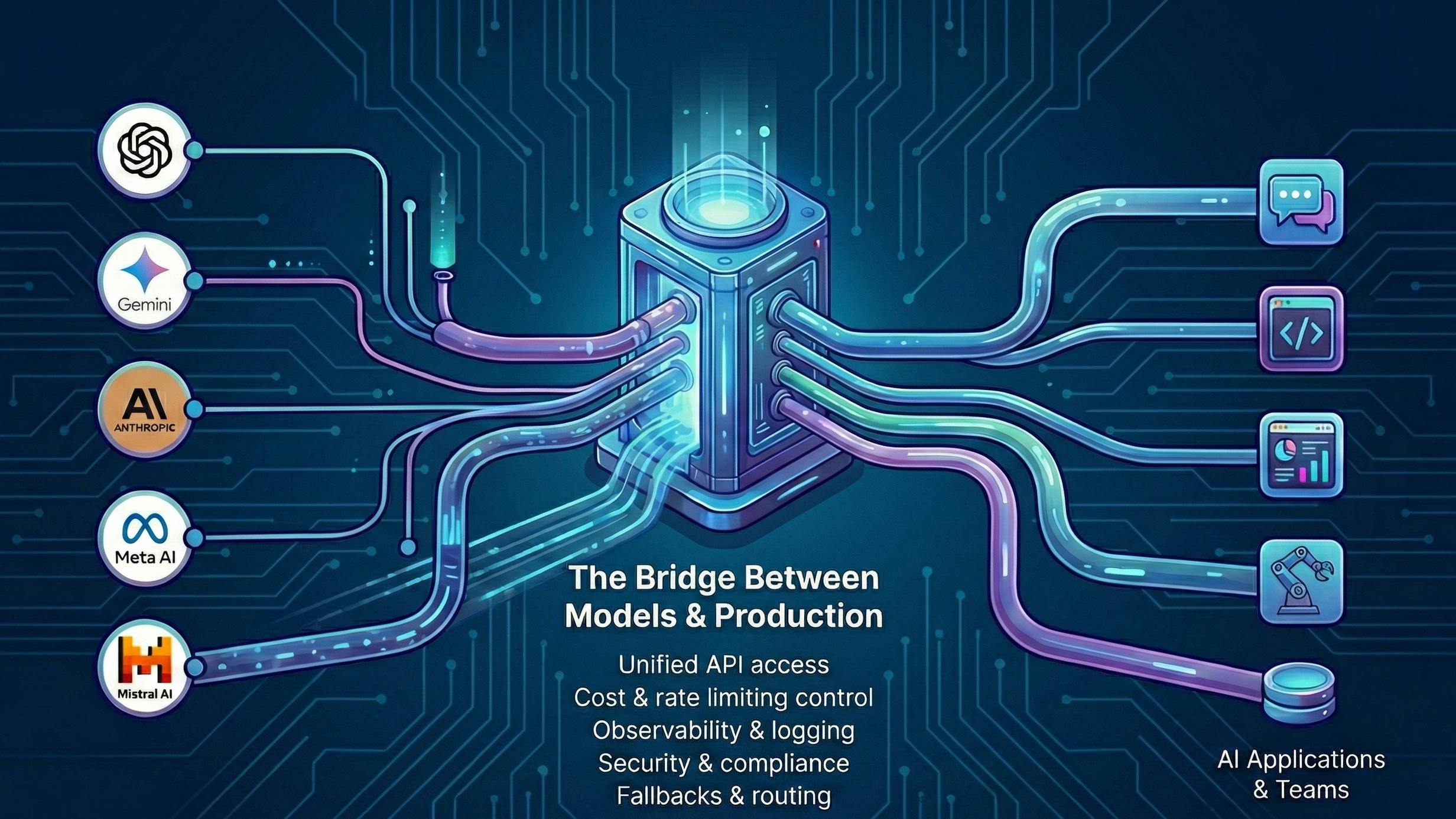
In addition, the Atlas engine now allows you to choose between several AI models (such as Google Gemini, OpenAI and Anthropic), offering greater flexibility and optimization capacity depending on the use case. With this, agents can tackle complex tasks with high confidence and reproducibility.
2. Agentforce Voice: conversational and decisive telephone interaction
Although many technological interactions migrated to digital channels, 80% of consultations still begin by telephone. Agentforce Voice replaces rigid menu systems and prolonged waits for fluid and natural conversations, giving agents a tone and personality consistent with the brand.
It relies on the eVerse framework, developed by Salesforce AI Research, which tests agents in thousands of real-world scenarios: background noises, distracted customers, multi-step processes, among others. Thus, it guarantees that the platform is tolerant of adverse conditions and is ready for mass business use.
The architecture is “voice-first”with real-time audio transmission and low latency transcription, enabling barge-in, use of phonetic dictionaries, and adaptation in the pace of conversation.
They are Integration with Salesforce Voice enables transcripts to be accessible live to human agents, improving oversight, collaboration, and immediate escalations. In addition, it connects natively with leading CCaaS providers (NiCE, Genesys, Amazon Connect, Five9, Vonage), and allows the same agent to be deployed in multiple channels (voice, web chat, mobile app, messaging) without losing continuity in the context.

3. Agentforce Builder – Rapid, Collaborative Agent Development
Traditionally, building an AI agent could be a slow and fragmented process. The new Agentforce Builder concentrates all steps (creation, testing and refinement) in a single conversational workspace.
In it, AI guides from ideation to deployment: the team can describe an agent in natural language and receive immediate scaffolding of the Agent Script code with logic, themes, and initial instructions. The word processor-like editor offers quick access and intuitive commands for inserting variables, actions, and themes, while auto-suggestions optimize the layout.
A simulation panel allows you to test real interactions in real time, debug errors and obtain detailed traces of each step of the agent’s reasoning, with explanatory summaries.
This unified environment is based on a shared metadata model, which facilitates portability and versioning of agents between environments, including export via API or JSON. Additionally, it introduces the Agentforce Vibes capability, which allows developers to automate complex development and DevOps processes using agents, either from Code Builder or any compatible IDE.

4. Context Indexing: transform unstructured data into useful knowledge
In companies, much of the valuable information is in unstructured formats: PDFs, tables, images, diagrams and others. Context Indexing enables agents to not only rely on structured CRM data, but to understand and use complex, unorganized data.
Powered by Data 360, the system automatically extracts, slices and structures data, turning it into relevant context for agent responses. Its setup is low-code and AI-guided, reducing deployment time from weeks to hours. Performance is optimized through continuous testing and tuning, with direct queries to ingested data and rapid modification of slicing or analysis strategies.
A key feature is multiple interpretation: the same document can provide different information depending on the area that consults it (sales, support, marketing, legal), guaranteeing specific relevance in each case. The entire system inherits security and compliance controls applied to structured data, ensuring comprehensive enterprise governance.