Artificial intelligence is entering a new phase with agentic AI: autonomous systems that perceive, decide, act and learn without constant human oversight, operating independently across distributed environments while collaborating with other agents in real time.
This shift from centralized AI models to distributed, autonomous agents demands a fundamental rethinking of wide-area network infrastructure architecture. Previous AI patterns, such as centralized training clusters, cloud-based inference and hub-and-spoke data flows, are inadequate for agentic systems that must operate at the network edge with speed, autonomy and resilience.
In these environments, the WAN is no longer just a means of connecting branch sites to core data centers. It becomes the essential fabric that enables edge agents to synchronize data, share insights and coordinate actions, making WAN performance, availability, and adaptability critical to agentic AI effectiveness.
Edge-centric intelligence
Consider an autonomous vehicle navigation system, an intelligent manufacturing floor or a retail environment where AI agents manage inventory, pricing and customer experience simultaneously.
While WAN connectivity enables agents to synchronize across locations, edge environments often face unpredictable connectivity. In such situations, agents may perform automatic remediation during WAN degradation by ensuring real-time path selection for critical systems such as point-of-sale, inventory sync and IoT devices. These are consequential decisions that need to be made in milliseconds based on local conditions, often where connectivity to centralized systems is intermittent or constrained.
Unlike traditional AI models operating on data in controlled environments, agentic systems exist in the physical world where latency is measured in milliseconds, and decisions have immediate consequences. Sending data hundreds of miles away to a cloud data center for processing is impractical. The agent must process information, evaluate options, and act locally – right where the action is happening.
Moreover, agentic AI systems often operate in environments with multiple agents coordinating across distributed locations. A smart city deployment might involve thousands of agents managing traffic flow, energy distribution and public safety simultaneously. These agents need to share data even when network connectivity degrades.
Co-located computing
To function, agentic AI requires computing resources co-located with data sources and decision points, which means deploying high-performance processing across thousands of distributed locations in industries including retail, manufacturing, healthcare, and transportation.
These edge compute resources must handle diverse workloads, with agents performing rapid inference on streaming data, conducting local model fine-tuning based on environmental feedback and coordinating with peer agents. In retail, this might translate into supporting smart shelves, computer-vision inventory systems, digital signage, loss-prevention analytics and customer-flow optimization directly at each store location.
Powerful edge computing alone cannot deliver the full potential of agentic AI. Without equally sophisticated networking, autonomous agents remain isolated, unable to coordinate with peers, synchronize insights or maintain collective intelligence across distributed environments.
High-performance networking integrated directly into edge compute infrastructure enables agent-to-agent communication with low latency and high bandwidth, rather than routing every interaction through distant aggregation points. This architectural approach, where networking and computing are designed together, is essential for real-time coordination.
Security is equally critical. These systems require cryptographic identity for every agent, encrypted communication, hardware-based roots of trust and zero-trust architectures designed into both layers from the ground up, ensuring the integrity of autonomous decisions affecting physical systems and human safety in critical infrastructures such as healthcare and transportation.
Convergence at the edge
Organizations cannot simply extend cloud architectures to edge locations and expect agentic systems to thrive. The autonomous, distributed, real-time nature of these systems demands infrastructure designed together to support local intelligence, agent coordination and secure operation across thousands of diverse locations.
Equally critical is end-to-end visibility reaching the edge. As organizations deploy distributed AI agents across vast, heterogeneous environments, continuous visibility into WAN performance, network health and application performance at each edge location becomes indispensable. This allows teams to detect issues proactively, optimize operations, and assure reliable service delivery. Blind spots undermine the autonomy and resilience agentic AI requires.
The infrastructure choices organizations make today will determine whether they lead this transformation or spend years retrofitting. This requires rethinking both edge deployment and WAN evolution to support distributed intelligence at scale. The convergence of computing and networking at the edge is the essential foundation for the next generation of autonomous, intelligent systems.
Lee Peterson is vice president of secure WAN product management at Cisco Systems Inc.
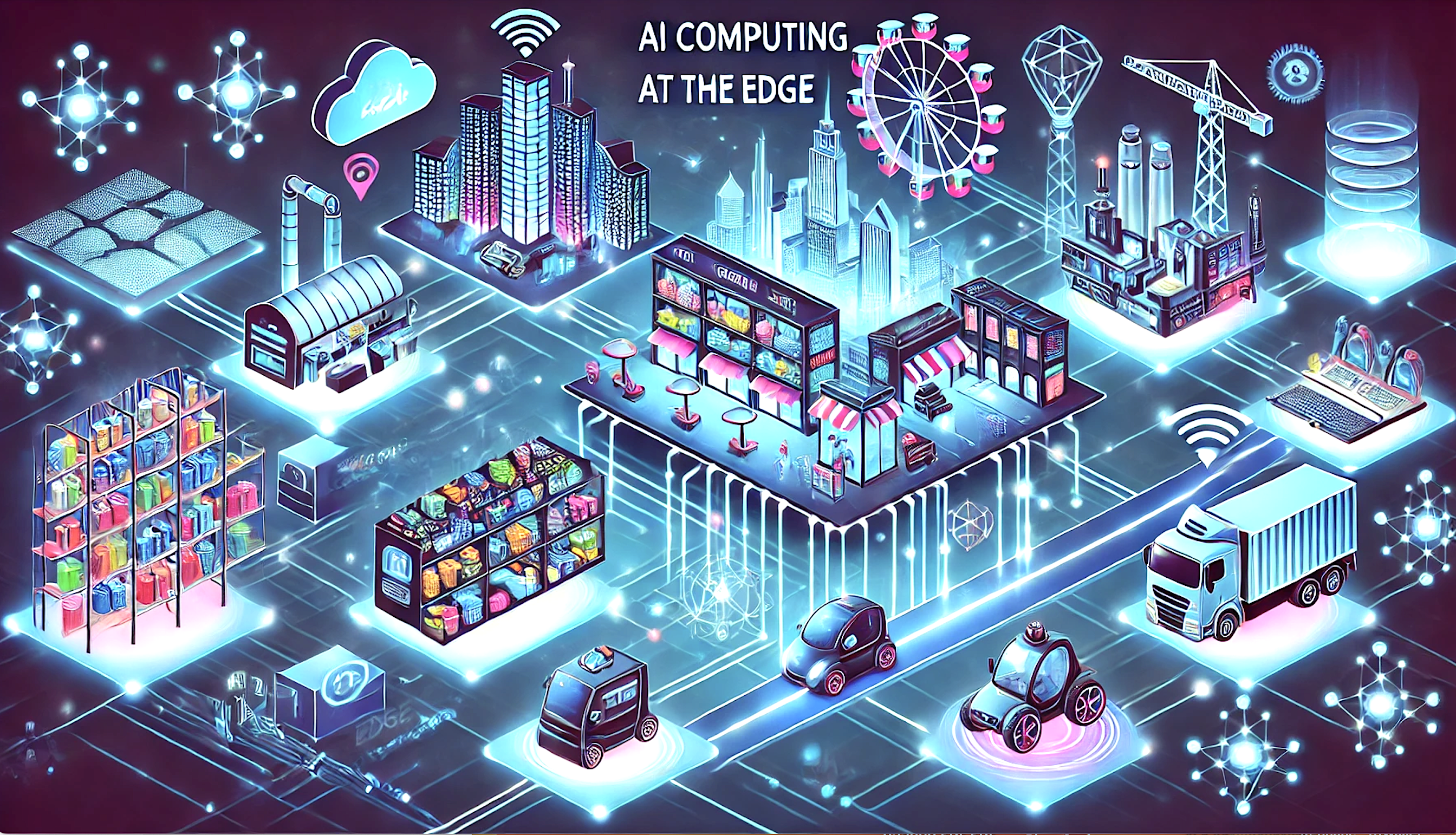
Image: theCUBE Research/DALL-E
Support our mission to keep content open and free by engaging with theCUBE community. Join theCUBE’s Alumni Trust Network, where technology leaders connect, share intelligence and create opportunities.
- 15M+ viewers of theCUBE videos, powering conversations across AI, cloud, cybersecurity and more
- 11.4k+ theCUBE alumni — Connect with more than 11,400 tech and business leaders shaping the future through a unique trusted-based network.
About News Media
Founded by tech visionaries John Furrier and Dave Vellante, News Media has built a dynamic ecosystem of industry-leading digital media brands that reach 15+ million elite tech professionals. Our new proprietary theCUBE AI Video Cloud is breaking ground in audience interaction, leveraging theCUBEai.com neural network to help technology companies make data-driven decisions and stay at the forefront of industry conversations.