Since the launch of ChatGPT in 2022, the use of artificial intelligence (AI) chatbots has gone through the roof. In July 2025, OpenAI reported that its AI chatbot, ChatGPT, received over 2.5 billion queries every day. It has over 700 million weekly users, an impressive feat considering ChatGPT isn’t the only game in town — there’s Claude, Gemini, Mistral, Perplexity, Grok, and many others. As we continue to incorporate AI into more aspects of our daily lives, from searching for information on the web to performing tasks, AI companies need to ensure their infrastructure can keep up with the seemingly ever-increasing demand.
That’s why massive investments are being pumped into AI companies, with billions directed towards AI-related infrastructure. That means getting more hardware to support AI workloads, from high-end graphics processing units (GPUs) from the likes of Nvidia to more memory and storage. After all, AI hardware is still a computer, just with more power to meet the processing needs of AI workloads.
While massive investments in AI infrastructure are a win for these companies, they have a downside for consumers. It’s making personal computers increasingly expensive. In case you’ve been living under a rock, RAM prices have gone haywire in recent weeks. So much so that CyberPowerPC, a major builder of gaming PCs and workstations, announced on X that they’ll adjust their pricing to match the increase in RAM and storage costs.
How AI is driving memory and storage prices through the roof
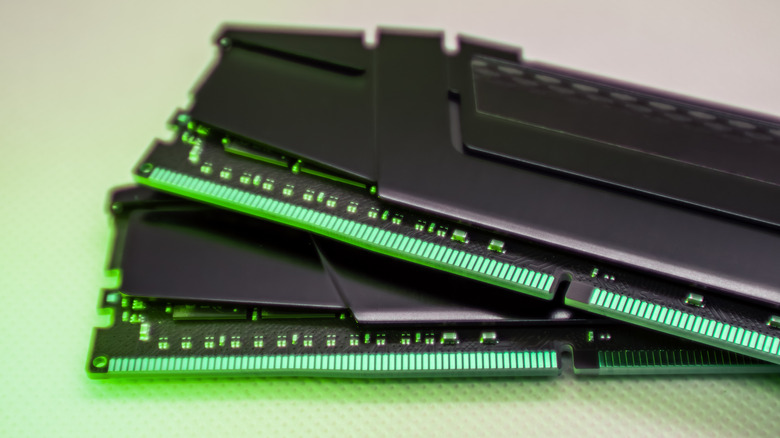
To understand why RAM prices are rising sharply, hitting as high as 500%, you need to understand the market itself. Currently, most of the RAM sticks you buy are from three main companies: Samsung Electronics, SK Hynix, and Micron Technology. Since these three companies control over 95% of the market, chances are you already have their products powering your laptop or desktop computer. But such a concentrated market amplifies supply shocks. Thanks to a steady supply, we’ve enjoyed a period of stable RAM prices for quite a while, until recently.
However, due to the surge in demand for memory and storage in AI data centers, which is pushing supply chains to the limits, there’s simply not enough to go around. This is because many of the production lines that make memory for AI servers also make consumer memory that goes into workstations and the best gaming PCs. Cloud providers are even reportedly buying consumer-grade SSDs due to the shortage. That has created a classic supply-and-demand problem. Since there’s more demand than supply, the prices of memory have soared.
But demand is not the only problem that’s causing RAM and storage prices to increase. To make matters even worse, one of the key manufacturers of consumer RAM, Micron, has recently shut down its consumer memory brand, Crucial, to dedicate its efforts to supplying AI data centers. In a statement announcing the move, Micron noted, “The AI-driven growth in the data center has led to a surge in demand for memory and storage.” And the price surge is already here. So when you see that the same RAM you bought for $145 a few months ago is currently going for $755, don’t be surprised.
i bough 64GB of RAM 9 weeks ago…
a 5.21× increase…………
9/11 $144.99 → 11/21 $755.99 pic.twitter.com/3PGmGselRC— melody☆ (@stargazermellu) November 21, 2025
Get ready to pay more for your next computer
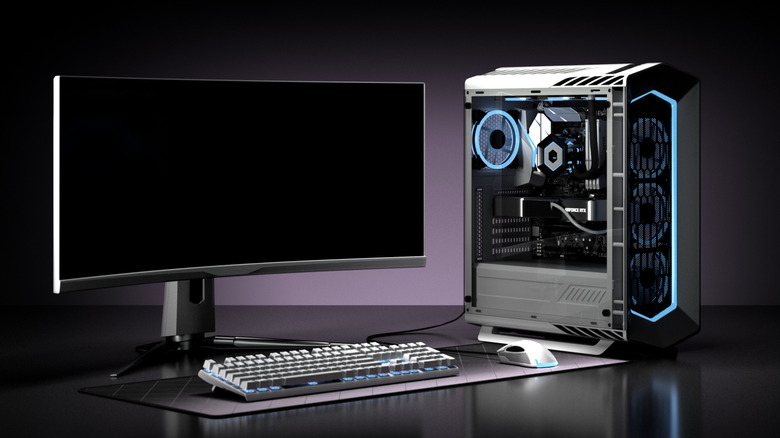
The consumer tech segment can’t seem to catch a break. Earlier this year, we saw GPU prices get out of control, to the point that getting any card at MSRP was virtually impossible. Even accounting for inflation, the price of graphics cards was still higher than expected. But after the GPU price frenzy started to cool off, the memory and storage crisis started hitting the market hard. The worst part about a memory shortage is that it cuts both ways. It affects both DRAM memory (used in RAM) and NAND memory (used in SSDs).
However, at the moment, the price of RAM has been hit the hardest, with prices rising astronomically. Storage prices have also been affected, but not as much as RAM. And the ongoing memory crisis isn’t exclusive to RAM and SSDs. It could affect GPUs, too. We’ve already seen chatter that AMD is considering jacking up GPU prices due to the memory crisis and some reports suggest storage could be a problem for new smartphones.
Heck, the price of some graphics cards has already started rising. U.K. retailer Overclockers UK told PC Gamer that they’ve seen card prices rise by up to $15 and $30 for 8GB and 16GB VRAM cards, respectively, and they expect a bigger jump once the current stock runs out. That means if you’re currently building a PC or plan to upgrade your current rig, be ready to pay more. With key component prices rising, the budget that used to get you an entry-level gaming rig for less than $1,000 will no longer cut it. And AI is to blame.