Allergies affect an estimated 50 million Americans each year, making them one of the most common chronic conditions in the United States. From seasonal sniffles triggered by pollen to year-round irritants like dust mites and pet dander, allergies can significantly impair quality of life, leading to symptoms such as sneezing, itching, congestion, and even more severe issues like asthma exacerbations or eczema flare-ups. According to data from the Centers for Disease Control and Prevention (CDC), nearly 1 in 3 U.S. adults and more than 1 in 4 children reported having a seasonal allergy, eczema, or food allergy in 2021. These statistics highlight the widespread impact of allergies, which not only cause physical discomfort but also contribute to substantial healthcare costs, lost productivity, and reduced well-being.
For decades, the primary approach to managing allergies has been symptom relief through antihistamines, nasal sprays, and other medications. However, these treatments only mask the problem without addressing the underlying immune response. Enter allergy immunotherapy, a disease-modifying treatment that aims to desensitize the body to allergens over time. Traditionally delivered via injections, known as subcutaneous immunotherapy (SCIT) or allergy shots, this method has proven effective but comes with drawbacks like frequent clinic visits and potential side effects. In recent years, a growing number of providers are shifting focus to sublingual immunotherapy (SLIT), commonly referred to as allergy drops. These providers are pioneering more convenient, patient-friendly options that could revolutionize how allergies are treated, improving adherence and outcomes while expanding access through telemedicine and personalized care.
This article explores the evolution of allergy immunotherapy, from its historical roots in shots to the rise of drops in Europe and their gradual adoption in the U.S. It delves into key players in the allergy drops market, such as Allergychoices, Aspire Allergy & Sinus, Wyndly, Quello, and Curex, who are driving innovation. Finally, it examines the benefits of drops over shots and the promising future of this treatment modality amid rising allergy prevalence and market growth.
The Origins of Allergy Immunotherapy: A Century-Old Solution
Allergy immunotherapy traces its roots back over a century. In 1911, British physicians Leonard Noon and John Freeman conducted pioneering trials using grass pollen extracts to treat hay fever, or seasonal allergic rhinitis. They administered the extracts through subcutaneous injections, marking the birth of what would become known as allergy shots. Their work built on earlier observations that injecting allergens could build tolerance, similar to vaccination against infectious diseases. By the 1930s, allergy shots had entered mainstream medical practice for hay fever, and over the decades, the approach expanded to treat other allergies, including those to dust mites, molds, and insect venoms.
The mechanism behind immunotherapy is straightforward yet profound: it retrains the immune system. Allergies occur when the body mistakenly identifies harmless substances (allergens) as threats, triggering an IgE-mediated response that releases histamine and other chemicals, causing inflammation and symptoms. Immunotherapy introduces small, controlled doses of these allergens, gradually shifting the immune response from allergic (Th2-dominated) to tolerant (Th1-dominated), reducing sensitivity over time. Studies from the mid-20th century, including the first rigorous clinical trials in the 1950s, confirmed its efficacy in alleviating symptoms and preventing asthma progression in allergic individuals.
For much of the 20th century, allergy shots remained the gold standard. Administered in a doctor’s office, they involve a build-up phase with increasing doses over several months, followed by maintenance injections every few weeks for 3-5 years. While effective—reducing symptoms in about 85% of patients—they require commitment. Patients must visit clinics regularly, and there’s a risk of local reactions or, rarely, anaphylaxis, necessitating observation after each shot. Despite these challenges, shots have been a cornerstone of allergy management, especially in the U.S., where they are FDA-approved and often covered by insurance.
The Shift to Sublingual Immunotherapy: Europe’s Patient-Centric Innovation
While allergy shots dominated in the U.S., European allergists began exploring alternative delivery methods in the mid-20th century to enhance patient convenience and safety. Sublingual immunotherapy (SLIT), where allergens are administered as drops or tablets under the tongue, emerged as a viable option. Early trials in the 1940s and 1950s showed promise, but it gained traction in the 1980s and 1990s. By the early 2000s, SLIT had become the preferred method in many European countries, endorsed by the World Health Organization as an effective alternative to shots.
The appeal of SLIT lies in its administration route: allergens are absorbed through the oral mucosa, bypassing the need for injections. This reduces the risk of systemic reactions, making it safer for home use after initial supervision. In countries like France and Italy, SLIT usage surpasses shots, with studies showing comparable efficacy in symptom reduction and long-term tolerance. For instance, SLIT has demonstrated up to 50% reduction in medication use for allergic rhinitis patients, similar to SCIT.
Europe’s embrace of SLIT was driven by patient preferences for convenience. No weekly clinic visits mean better adherence, especially for those with busy schedules or living in remote areas. Regulatory bodies like the European Medicines Agency have approved numerous SLIT products, including tablets for grass, ragweed, and house dust mites, fostering widespread adoption. Today, SLIT accounts for a significant portion of immunotherapy in Europe, highlighting a shift toward patient-centered care.
The U.S. Landscape: From Sidelines to Surge
In contrast, SLIT has been slower to gain footing in the U.S., primarily due to regulatory and insurance hurdles. While the FDA has approved SLIT tablets for specific allergens like grass pollen (e.g., Grazax/Oralair) and dust mites (Odactra), liquid drops remain “off-label,” meaning they’re not formally approved for sublingual use despite using FDA-approved extracts. This status often excludes drops from insurance coverage, pushing costs onto patients and limiting accessibility.
Limited reimbursement has kept SLIT on the sidelines, with shots remaining dominant. However, awareness is growing. The American Academy of Allergy, Asthma & Immunology recognizes SLIT’s efficacy, and real-world data show adherence rates up to 90% with drops versus 50-70% with shots, due to convenience. As allergy prevalence rises—driven by factors like urbanization and climate change—demand for accessible treatments is surging. The COVID-19 pandemic accelerated telemedicine, enabling virtual consultations and home-based therapies like drops.
Market projections underscore this shift. The global allergy immunotherapy market, valued at $1.95 billion in 2024, is expected to reach $4.50 billion by 2034, growing at a CAGR of 8.73%. SLIT is poised for the fastest growth, fueled by innovations in formulations and delivery.
Pioneering Providers: Revolutionizing Access and Care
Several U.S. providers are at the forefront of this transformation, leveraging allergy drops to offer convenient, personalized treatment. These companies are not only expanding the market but also addressing gaps in traditional care, such as high costs, inconvenience, and limited coverage for food allergies or comorbidities like asthma and eczema.
Allergychoices: The Trailblazer in Personalized Drops
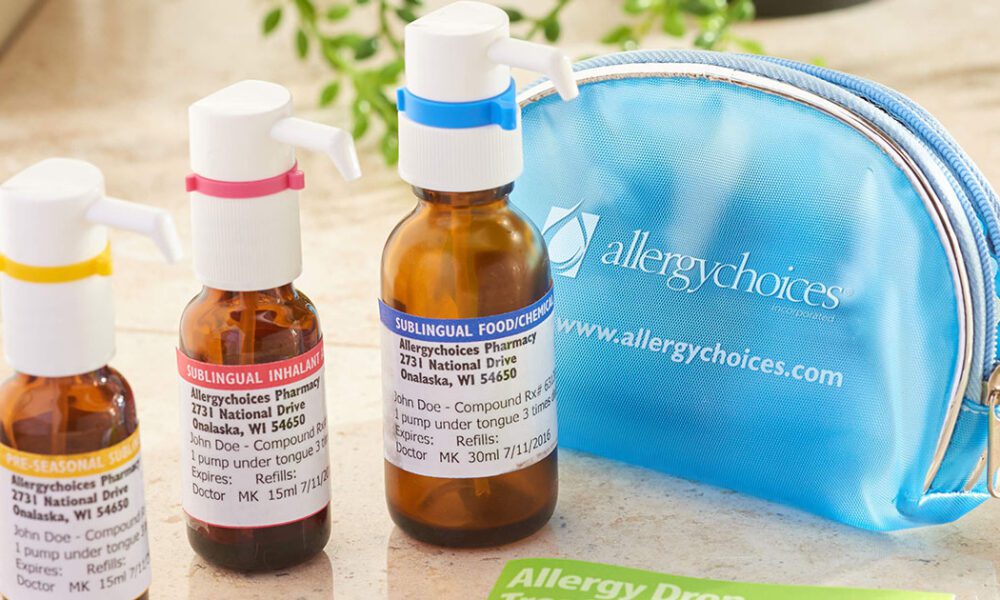
Based in La Crosse, Wisconsin, Allergychoices has been a pioneer in allergy drops for over 50 years. Operating as a compounding pharmacy, it serves over 300,000 patients through partnerships with more than 700 clinics nationwide. The company developed the La Crosse Method Protocol, a validated approach that customizes drops based on patient history, exams, and testing for environmental and food allergens.
Allergychoices emphasizes safety and efficacy, with outcomes certified by the Validation Institute. Drops are prepared using FDA-approved extracts and delivered in metered dispensers for precise dosing. Patients typically see symptom improvement within 3 months, with full benefits in 3-5 years. By collaborating with providers, Allergychoices has created a robust market for drops, making them affordable and accessible without the need for in-house mixing.
Aspire Allergy & Sinus: In-Person Expertise with Custom Formulations
Aspire Allergy & Sinus stands out as a large, in-person provider operating in multiple states, including Texas, Colorado, and Florida. With board-certified allergists and ENT specialists, Aspire focuses on comprehensive care, including allergy testing that can cost up to $2,000 upfront. Physicians often mix custom drops in-house, tailoring them to patients’ specific profiles for environmental and seasonal allergies.
While Aspire offers shots and accelerated options like ExACT Immunoplasty (three injections over weeks), drops provide a convenient alternative for those preferring home administration. However, high-deductible plans may leave patients out-of-pocket for testing and initial visits, highlighting a trade-off between personalized clinic care and cost. Aspire’s network of clinics ensures hands-on support, appealing to patients seeking traditional oversight with modern flexibility.
Wyndly: Telemedicine Innovation from an ENT Perspective
Founded by ENT surgeon Dr. Manan Shah, Wyndly represents the telemedicine wave in allergy care. Operating in select states, Wyndly offers at-home testing kits and personalized SLIT plans, starting at over $1,000 per year. Patients complete a quiz, receive a test kit, and consult virtually with providers to develop drops or tablets for environmental allergies.
Wyndly’s model emphasizes lifelong relief, with high purported efficacy rates backed by ENTs. By avoiding in-person visits, it enhances convenience, though costs may deter some without insurance coverage for drops. As telemedicine grows, Wyndly is expanding access, particularly for underserved areas.
Quello: Niche Telemedicine with Limited Transparency
Quello is a smaller player focusing on telemedicine in a handful of states. It provides free at-home test kits, virtual consultations, and custom drops without shots or clinic visits. Emphasizing doctor-led care, Quello targets patients seeking simplicity, with plans addressing common allergens.
However, lack of price transparency—costs are revealed post-consult—may limit appeal. It also has limited track record and customer base, which means customers may get more personal attention from Quello providers.
Curex: The Fastest-Growing Online Clinic for Comprehensive Care
Curex’s inclusivity—addressing food allergies (rare in traditional immunotherapy) and comorbidities—sets it apart. Patients report reduced symptoms and fewer exacerbations, with adherence boosted by affordability and convenience. Its growth reflects the demand for holistic, accessible care. In Curex vs Wyndly comparison, Curex has the upper hand. It’s average review score is 4.9 / 5.0 and most patient experience symptom reduction within the first six months.
Drops vs. Shots: Weighing Convenience, Adherence, and Outcomes
Allergy shots excel in desensitization, offering robust, long-term relief for severe cases. However, drops shine in convenience and adherence. Administered daily at home, drops eliminate travel and needles, leading to higher compliance—up to 90% versus 50% for shots. Studies show drops are safer, with fewer side effects, and cost-effective over time, saving on copays and visits.
For patients with needle phobia, busy lifestyles, or children, drops enable faster improvement and better quality of life. While shots may act quicker in some cases, drops’ patient-centric design promotes sustained use, crucial since adherence in chronic allergy treatments hovers around 50-60%. Providers like those profiled are leveraging these advantages to boost outcomes.
The Future: Market Expansion and Broader Impact
The allergy immunotherapy market is booming, projected to hit $6.5 billion by 2033, with SLIT leading growth at 8.4% CAGR. Innovations like AI-driven personalization and expanded approvals will drive adoption. As climate change worsens allergies, providers focusing on drops are poised to lead, making treatment more equitable and effective.
In summary, allergy drops providers are transforming a field long dominated by shots. By prioritizing convenience, affordability, and comprehensiveness, companies like Allergychoices, Aspire, Wyndly, Quello, and Curex are empowering patients to achieve lasting relief. As awareness grows and barriers fall, allergy treatment is entering a new era—one drop at a time.
Read More From Techbullion