E-commerce giant Amazon is about to close out an impressive 2025 and is looking forward to an even bigger 2026. Fans of shopping at Amazon for groceries can look forward to an expansion of stores across the next year. Amazon is going all-in on its robotaxi service, not for deliveries, but to transport people. And for those who sell products on Amazon, there is a massive change in that sellers must label and prepare products for shipping themselves, a service that was previously handled by Amazon.
Amazon itself and Prime, with its impressive perks available to users, have grown massively since its inception. Amazon has the biggest U.S. market share for e-commerce, towering over competitors like eBay and WalMart. Its revenue has grown rapidly year-over-year, achieving billions of dollars worth of sales every year. All of this growth and success has enabled it to look ahead to 2026 with an innovative eye. Its plans for the new year aim to expand its services, provide more customer offerings, and continue to win over consumers in the e-commerce market.
Grocery delivery and robotaxis
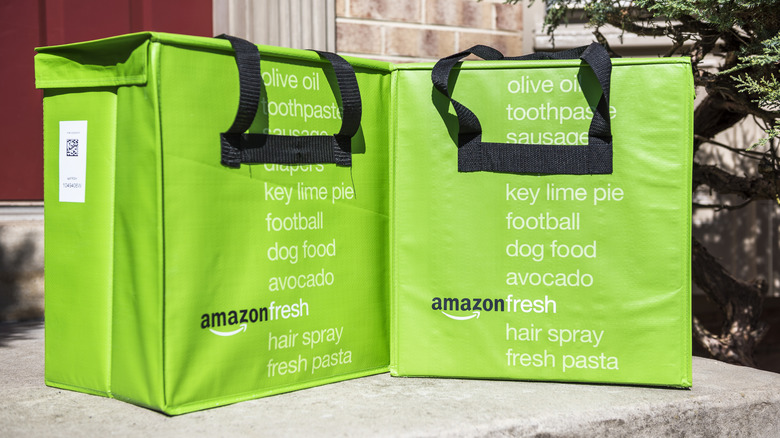
Amazon offers grocery delivery to homes for both Prime and non-Prime members, though non-Prime members have to pay an additional fee, making it worth it as a Prime member. Amazon currently offers same-day grocery delivery to over 2,000 cities and is looking to expand that even more across 2026. Driving this demand is Amazon’s focus on the quick delivery of perishable grocery items, like fruits and vegetables, which top Amazon’s perishable delivery charts. Since produce can go bad fairly quickly in your kitchen, it’s easy to see why fast delivery of such items would be a target for Amazon in 2026.
Robotaxis are ramping up activity in a handful of states where you can ride one in the U.S. Amazon refers to its service as Zoox, which can hold up to four passengers at a time, and it’s already being used by Amazon workers. Zoox will start giving rides to people in Las Vegas and in the greater San Francisco Bay area in 2026.
Since it is a driverless vehicle, there is no steering wheel, but there are screens for each passenger that display their personal routes to their destinations along with estimated arrival times. The tech doesn’t stop there, as it also offers charging ports and wireless charging pads for your phones, tablets, and other devices. Each seat also has its own climate control. The purpose of the robotaxis is to help with smoother transportation in busy metropolitan areas.
A new shipping system for sellers
Amazon is a good platform for both large and independent sellers to list products. For independent sellers, it offers a reputable e-commerce service, integrated marketing, and a better way to get more visibility. Previously, Amazon would label and package items itself on behalf of sellers in what was known as Fulfillment by Amazon (FBA) shipments. That ends on January 1, 2026, as sellers will be responsible for that part of the fulfillment themselves from now on.
This puts a bigger burden on sellers, prompting them to take care of the extra cost and supplies. If they can’t handle it on their own, they will have to work with certified third-party logistics providers. This goes beyond just ensuring the product is in a box with a label. There are compliance guidelines that must be adhered to, and it’s on the seller now to understand those.
For those who purchase from Amazon but don’t sell, this could mean higher prices on items to recover the operational costs. Some prices on Amazon have already increased due to tariffs. For sellers, this means reworking current operations to comply with these new rules. Whether you think the changes Amazon has planned for 2026 are positive or not, the e-commerce giant is ready to kick off the new year with ambition and innovation.