What began as a race to build better AI models has escalated into a competition for compute, talent, and control. Foundation models—large-scale systems trained on vast datasets to generate text, images, code, and decisions—now underpin everything from enterprise software and cloud infrastructure to national digital strategies.
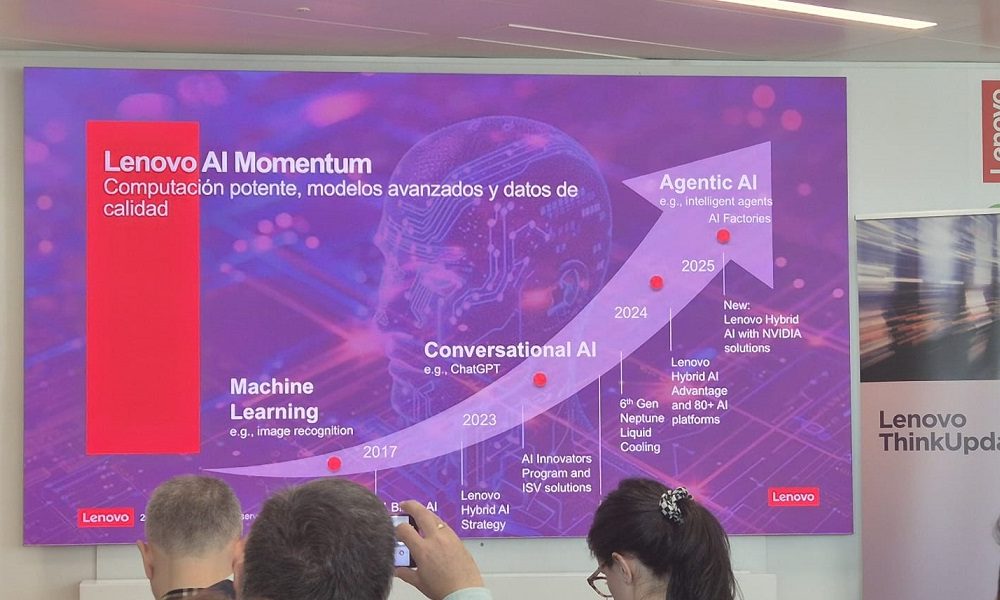
The industry’s language around AI has grown more ambitious—and more elastic. Agentic AI has leapt from research papers to Davos billboards, while artificial general intelligence, or AGI, now appears routinely in investor decks and earnings calls. Definitions have begun to blur. Some companies quietly lower the bar for what qualifies as generalstretching the term to encompass incremental productivity gains.
Yet the economic results, particularly measurable returns on AI investment, remain uneven. According to PwC’s 2026 Global CEO Survey, 56% of 4,454 CEOs across 95 countries reported neither increased revenue nor reduced costs from AI over the past 12 months. Only 12% achieved both. Even so, 51% plan to continue investing, despite declining confidence in revenue growth. The result is a widening gap between engineering reality, commercial storytelling, and public expectation.
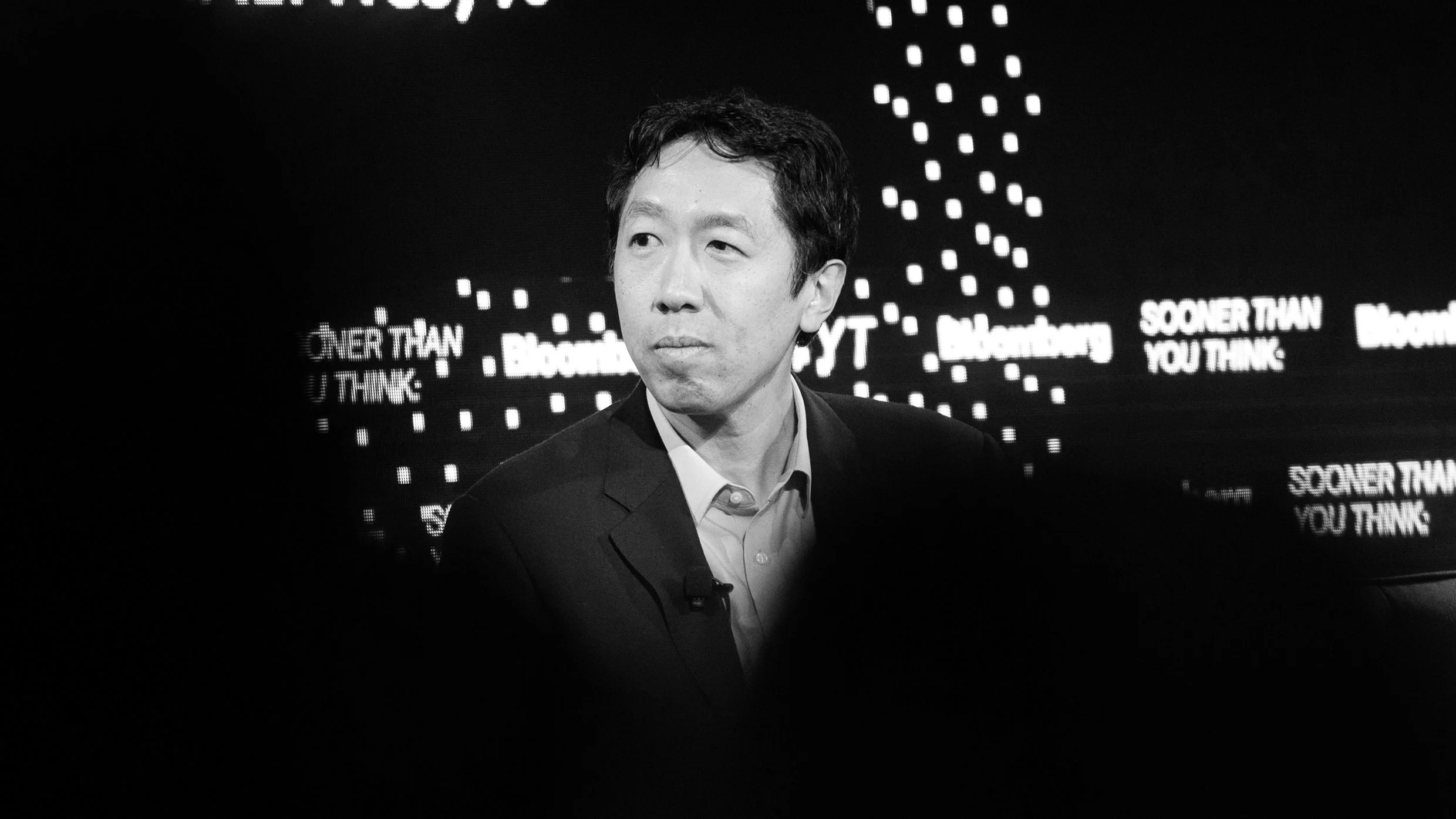
Few voices carry as much authority—or have shaped modern AI as directly—as Andrew Ng. The founder of DeepLearning.AI and Coursera, executive chairman of Landing AI, and founding lead of the Google Brain team, Ng has helped define nearly every major phase of the field, from early deep-learning breakthroughs to the current wave of enterprise deployment. He has authored or coauthored more than 200 papers and previously led the Stanford AI Lab. In 2024, he popularized the term agentic AIarguing that multistep, tool-using systems capable of executing workflows may deliver more near-term economic value than simply scaling larger models.
In an exclusive conversation, Ng offered Fast Company a reality check. He says true AGI—that is, AI capable of performing the full breadth of human intellectual tasks—remains decades away. The true competitive frontier, meanwhile, lies elsewhere.
This conversation has been edited for length and clarity.
You helped popularize the term agentic AI to describe a spectrum of autonomy in AI systems. How did you come up with it, and how has the concept evolved as multi-agent systems move into enterprise production?