If you’ve been following the quarterly and annual smartwatch sales reports put together by analytics firms like Counterpoint Research for the past few years, you probably won’t be surprised to see Apple lead the global vendor hierarchy in 2025.
But the gap to the industry’s silver medalist is shrinking, and no, it’s not Samsung that’s threatening its arch-rival’s domination in this particular field.
Big progress for the top three vendors equals solid growth for the market as a whole
That’s right, smartwatch shipments were up last year by 4 percent compared to 2024, and that’s mainly thanks to Apple, Huawei, and Xiaomi.
In first place, Apple posted its first year-on-year growth since 2022, but at 8 percent, that actually pales in comparison with Huawei and Xiaomi’s 30 percent (!!!) and 18 percent improvements of their 2024 worldwide sales figures, respectively.
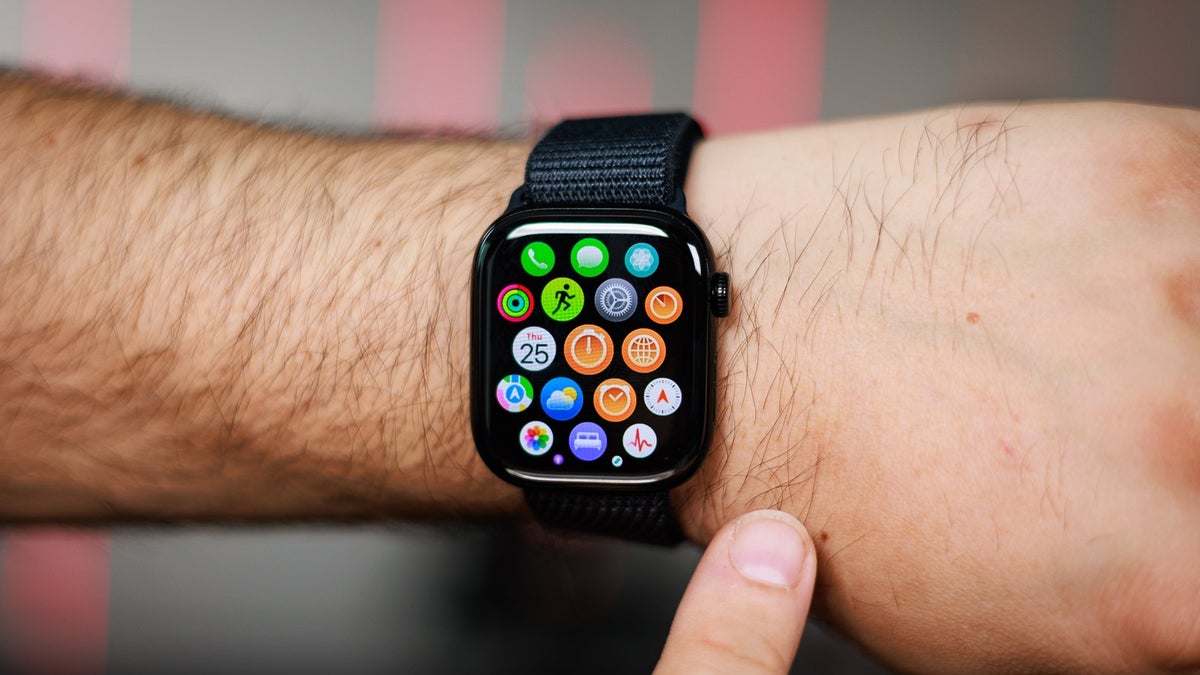
Still, the Cupertino-based tech giant can certainly be proud of the impact made by the Apple Watch Series 11, Ultra 3, and SE 3 on its global shipment scores in the final months of 2025, with the three new models looking likely to remain popular in the early stages of this year too and potentially keep Huawei at bay… for the time being.
Huawei’s incredible surge from 13 percent market share in 2024 to a 17 percent slice of the pie last year largely came from its “advanced, competitively priced products in China”, and while the brand is likely to consolidate its supremacy in that region in 2026, it might prove challenging to seize the world’s number one spot in sales without a strong presence in countries like the US as well.
In other words, I believe Apple’s position is safe for the foreseeable future, especially given Samsung’s inexplicable inability to boost Galaxy Watch sales during a time of expansion for the smartwatch market as a whole.
From third to fourth to fifth?
After making the vendor podium in 2024 with 9 percent share, Samsung slipped below Xiaomi in 2025 with only 7 percent share on the back of a pretty concerning 12 percent decline in shipments, and the number five brand holds the exact same 7 percent slice of the pie on the back of a 9 percent year-on-year sales progress.
It doesn’t take a math genius to anticipate that Imoo will probably surpass Samsung as well in 2026, and if you’re not familiar with that company, that’s because you don’t pay enough attention to the Chinese low-cost segment.
Interestingly, however, the overall popularity of sub-$200 smartwatches actually declined around the world last year, while the $200 to $400 segment recorded a mind-blowing 48 percent year-on-year sales increase, which, of course, led to a rising average selling price.
Cellular smartwatches also got an important boost in 2025, as more and more consumers are starting to view their intelligent timepieces as standalone devices rather than simple smartphone companions.
What should we expect from the industry in 2026?
For starters, I remain adamant that Apple is likely to retain its top spot in global shipments for another year, although I can definitely see Huawei and Xiaomi inching closer and closer to that leading 23 percent market share over the next few quarters.
As so many times before, Apple will also “inspire” many brands to adopt 5G and satellite connectivity on a wider and wider scale, which is likely to prolong the smartwatch market’s “premiumization trajectory” and further increase average selling prices.
As far as Samsung is concerned, I really don’t see how the company could reverse the negative trend of the Galaxy Watch portfolio anytime soon… other than continue to offer substantial discounts on new models and perhaps even bundle some of them with members of the Galaxy S26 handset family for free. That seems unlikely, I know, but it could prove a win-win scenario for both Samsung’s struggling smartwatches and its repetitive “new” high-end phones, so why not give it a try?