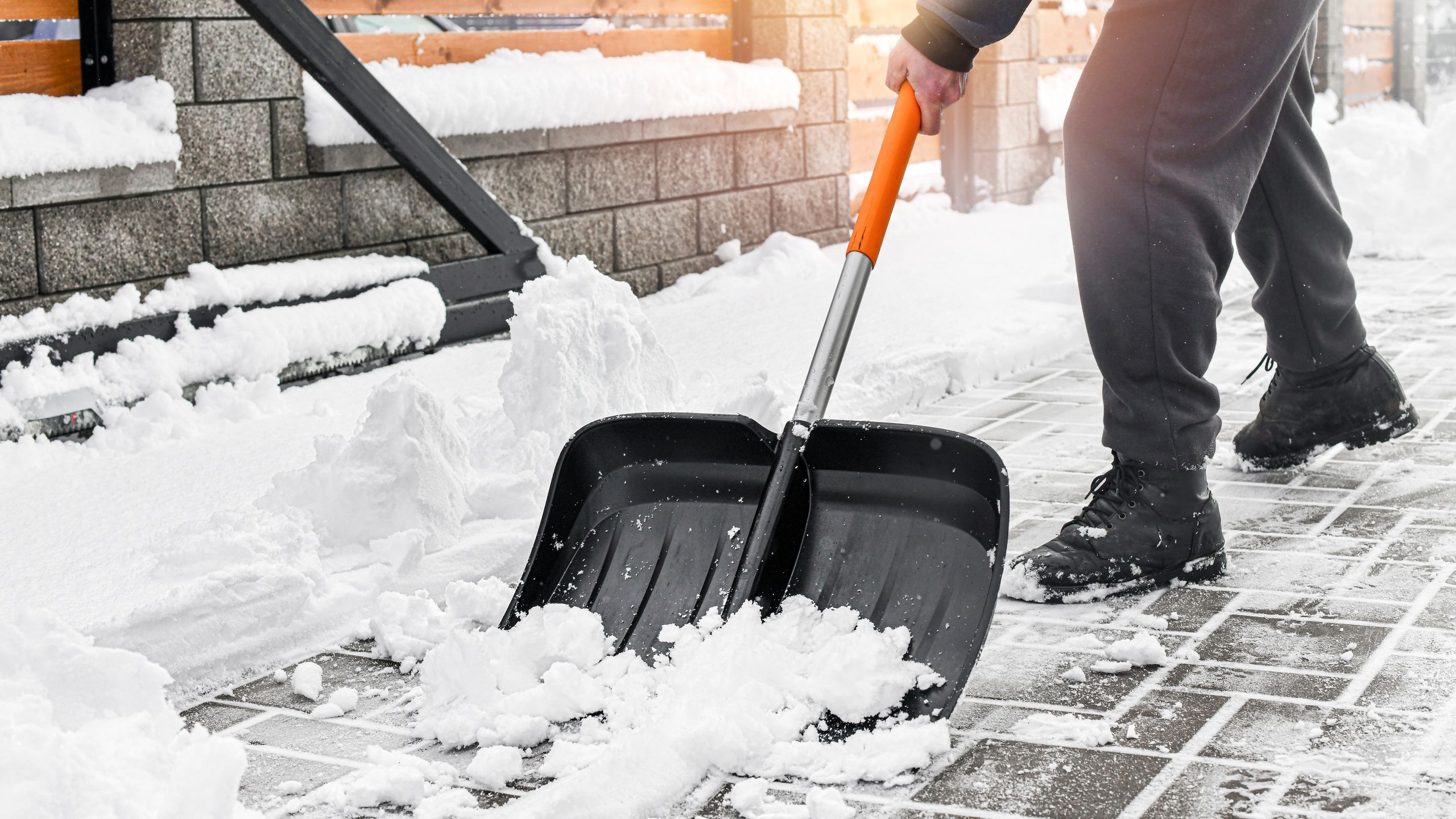
If you’ve been hit — or are about to be hit — with heavy snowfall, you’re probably looking at the time-consuming task of removing snow from your driveways or around your home. But while it might seem harmless to shovel excess snow onto the street, you might want to think again.
Depending on your region, there are strict rules and best practices for shoveling snow, and if you’re not careful, you could be breaking the law. So, how do you know what the rules are? What are the legal risks, and how exactly do we safely dispose of snow?
Are you allowed to shovel snow into the street? What are the legal restrictions?
According to our experts, the general consensus is no, you should never shovel snow into the street. Not only could this pose a danger to others but it is also illegal in many states.
“From the standpoint of someone who regularly represents victims in slip-and-fall cases, property owners and renters are not allowed to shovel snow onto sidewalks or into the street.” states Joshua Branch, Founder and Personal Injury Attorney at Law Offices of Joshua W. Branch.
“Municipal codes require snow to stay on your own property, not in the public’s right-of-way. Most property owners aren’t aware that shoveling snow into the street enhances legal liability more so than not shoveling at all. In fact, there are often fines for not abiding by these rules, which can vary from $50 to $500 per violation with some cities charging these fines per day.
Beyond those costs, there is huge potential for incurring civil liability if someone gets hurt. You’ll want to avoid at all costs since it could put you on the hook for a six-figure compensation payout.”
In addition, shoveling piles of snow onto the street could potentially block drains or cause traffic accidents. “Local folks prohibit it because it adds on the work like blocked drainage, thicker piles of ice, and traffic hazards,” adds John E. Roach, a real estate attorney and Legal Content Reviewer at LawDistrict.
“In some areas you can push snow to the curb side, in others you cannot move an inch outside your property.”
Of course, if in doubt, it’s best to seek guidance from your local ordinance, and always stick to any legal rules. After all, you don’t want to inadvertently cause a serious accident or risk breaking the law and paying a fine.
What is the best practice when clearing snow?

So if shoveling snow onto the street is prohibited, the key question is, where is the appropriate and safest location to place the excess snow, and what is the best practice for snow removal?
“Ideally, pile it where it won’t refreeze into slippery ice patches that can cause pedestrians harm or block the line of sight for drivers on your street,” advises Branch.
“The clock starts ticking usually within several hours after snow stops falling. Once you begin clearing the snow, leave a path wide enough to accommodate those with accessibility needs, about three to four feet wide.
“You’ll also need to treat any ice with salt or another substance like calcium chloride or sand since shoveling isn’t enough to get rid of slick surfaces. Go a step further and document your proper snow and ice removal with timestamped photos to protect yourself from potential liability.”
In any case, always remember to take caution when removing ice from a driveway quickly and safely to avoid any slips or accidents. And if you ever run out of salt, why not try this cheap alternative that will de-ice your driveway in minutes?

Follow Tom’s Guide on Google News and add us as a preferred source to get our up-to-date news, analysis, and reviews in your feeds.