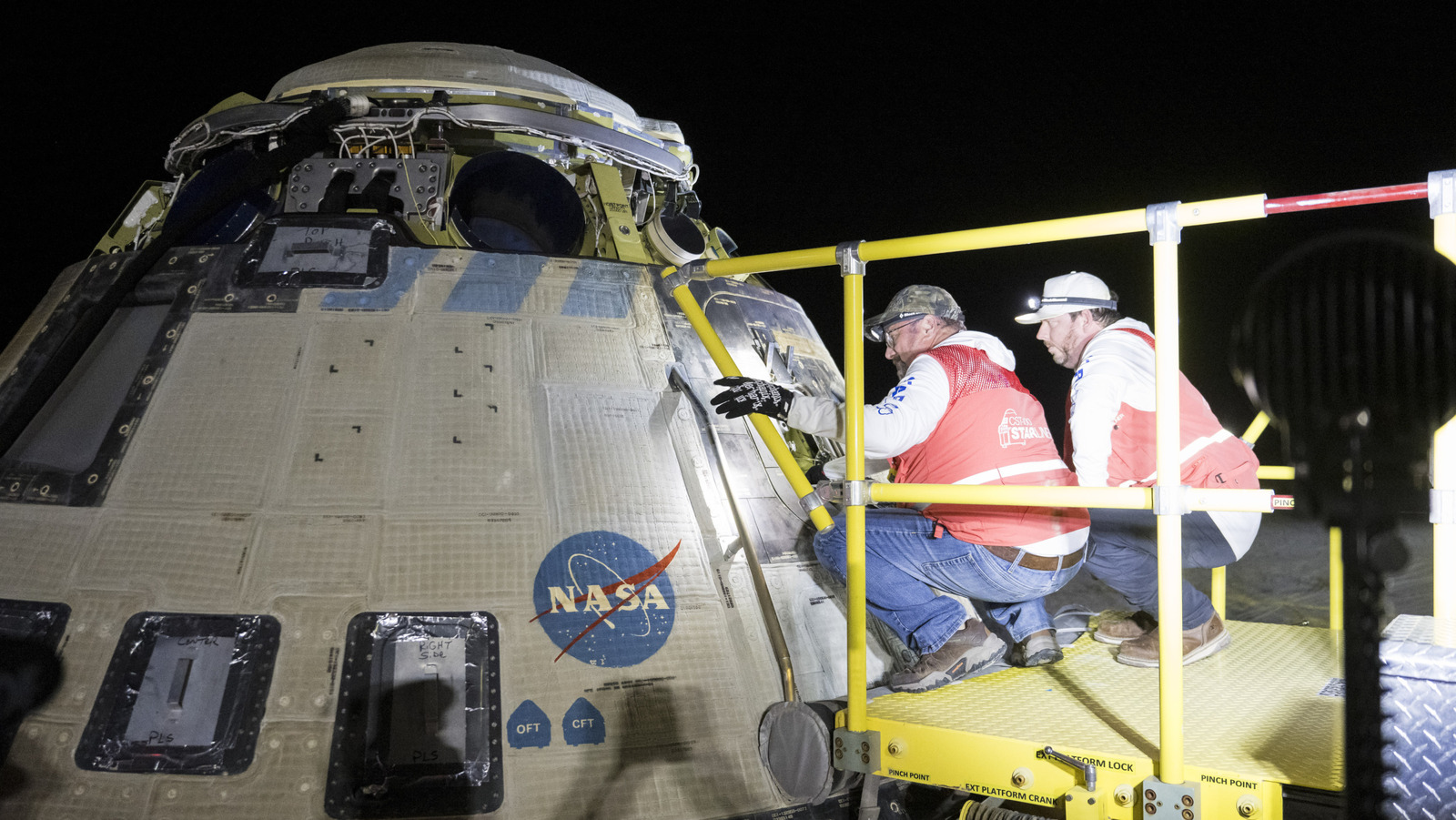
Boeing’s Starliner had it rough from the start. With a long, storied history of issues, the spacecraft finally defied all the odds against it last year, lifting off into space with two astronauts aboard. There were concerns — specifically related to some helium leaks — but NASA gave the okay and the craft was away, soon making its docking debut with the International Space Station (ISS). However, when it came time to climb back in and head home, astronauts Butch Wilmore and Suni Williams found themselves stranded on the ISS for nine months, a far cry from the original two weeks they were meant to spend aboard.
The culprit of the issue was those very same helium leaks that NASA had almost brushed off in earlier tests. And while leaks in space are troubling, it’s the nature of these leaks that made them such a disaster. That’s because while NASA downplayed the issues overall, the Starliner fiasco was actually a lot worse than advertised, with both astronauts unsure if the Boeing Starliner spacecraft would even be able to make it back down to Earth reliably, thanks to it losing four of its 28 critical reaction control thrusters.
Four lost thrusters might not sound like a lot, but with just one more thruster failure, the astronauts would have been unable to control the spacecraft’s movement at all. That’s a particularly dangerous proposition when approaching a moving space station in orbit around the planet — especially a station that’s crewed. To make things worse, NASA didn’t tell the astronauts about the entire state of affairs right away, sparking more concerns from participants of a recent safety panel looking into the issue.
Continued trouble and mismanagement
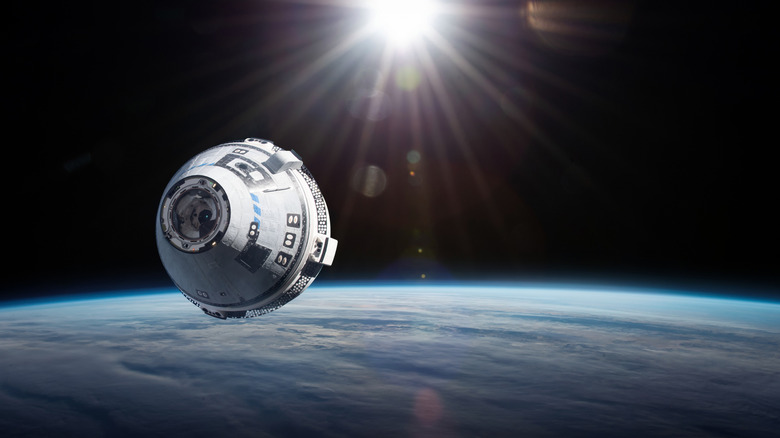
Of course, the controversy didn’t end following the wrap-up of the mission. Since the astronauts’ return to Earth, and Starliner’s return to the surface of the planet, NASA has been looking into what happened, trying get a better idea of where things went wrong. This led the space agency to make a significant change to Starliner’s next planned mission, choosing to go unmanned instead of trusting the spacecraft with human lives again.
To make matters worse for the space agency, a new safety panel has reportedly come out saying that NASA should have taken Starliner’s issues more seriously. Further, the panel said that NASA’s refusal to make the mission mishaps more well-known, both during and after they occurred, was an example of mismanagement — one that could have led to loss of both astronauts’ lives, as well as the lives of anyone aboard the ISS at the time.
One member of the safety panel, a man named Mark Sirangelo, noted that NASA should declare any mishaps and “close calls” formally and as soon as possible. That way, the issue is elevated to NASA’s safety team immediately, and the proper risk assessments can be taken into account. Further, the panel declared that NASA’s ambiguous claim that they were working toward proving Starliner was safe to return the astronauts, instead of definitively stating it was unsafe to bring Williams and Wilmore back to Earth via Starliner, were significantly different positions to adopt, with the latter being more appropriate than the former.
Push to launch or time to bail?
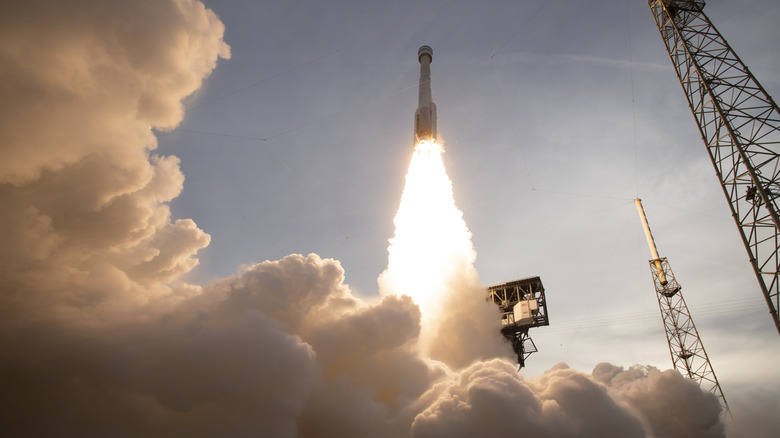
So, what does this all mean for the future of Starliner? While some have argued it might be time to bail on Starliner, NASA is still moving forward with using the Boeing-built spacecraft. However, some people’s faith in the craft has shifted. With all the previously listed concerns added to NASA’s perceived mismanagement of the past mission, it has a lot of onlookers and analysts — the aforementioned safety panel included — wondering just how safe it is to send Starliner back into space. All it takes is one errant collision to create a wall of space debris that could seriously damage satellites, the ISS, and more.
Of course, not everyone is feeling a degree of skepticism around Starliner. Despite the issues, the two astronauts that rode Starliner up to the ISS say they would board the Boeing spacecraft once more. Hopefully, if they do, they’ll find that all vital issues have been ironed out. Exactly why Boeing has struggled to put its spacecraft together is still a mystery. However, considering some of the issues that have popped up with Boeing aircraft over the years, perhaps the smoking gun is already there, just waiting for someone to point it out.