Generating consistent, high-quality leads is one of the biggest challenges businesses face today. Without a steady stream of potential customers, sales pipelines dry up, revenue becomes unpredictable, and growth stagnates.
Many businesses rely on sporadic marketing efforts, word-of-mouth, or outdated tactics, which fail to produce sustainable results. To thrive in a competitive market, companies need a reliable and repeatable system for attracting, capturing, and nurturing leads.
This is where a predictable lead generation machine comes in—a structured approach that consistently delivers qualified prospects and fuels business growth.
A well-designed lead generation system combines data-driven strategies, automation, and personalized engagement to attract the right audience and convert them into loyal customers.
By leveraging inbound and outbound marketing channels, optimizing conversion funnels, and implementing lead nurturing campaigns, businesses can create a self-sustaining system that generates leads on autopilot.
However, building such a machine requires careful planning, continuous optimization, and a deep understanding of your target audience. In this guide, we will explore the key components of a predictable lead generation machine, from defining your ideal customer and choosing the right channels to measuring success and scaling your efforts.
By the end, you’ll have a roadmap to transform your business into a lead-generating powerhouse.
Understanding Your Ideal Customer
The foundation of a predictable lead generation machine lies in understanding your ideal customer. Without clarity on who your target audience is, your marketing efforts can become scattered and ineffective.
The first step is to develop detailed buyer personas—semi-fictional representations of your ideal customers based on real data and market research.
These personas should include demographics (age, gender, location, income level), firmographics (industry, company size, decision-maker roles), and psychographics (pain points, goals, buying motivations, and objections).
To gain deeper insights, analyze your existing customers, conduct surveys and interviews, and leverage website and social media analytics. Understanding their pain points allows you to tailor your messaging to highlight how your solution solves their problems.
Additionally, customer segmentation is crucial. Not all prospects have the same needs, so dividing them into different groups based on behaviors and interests enables more personalized marketing and lead nurturing.
Another key aspect is understanding the customer journey—from awareness to consideration to decision-making. Different types of content and marketing approaches work at each stage.
For example, educational blog posts and social proof can attract leads at the awareness stage, while case studies and product demos help convert leads in the decision stage. By deeply understanding your ideal customers, you can create a marketing strategy that attracts the right people and converts them efficiently.
Crafting an Irresistible Value Proposition
A compelling value proposition is the key to capturing attention and driving conversions. It differentiates your business from competitors and clearly communicates why potential customers should choose you.
A strong value proposition should answer three core questions: What problem do you solve? What benefits do you offer? Why should a customer choose you over competitors?
To craft an irresistible value proposition, focus on your customers’ pain points and demonstrate how your solution uniquely addresses them. Use clear, concise, and benefit-driven language.
Avoid generic statements like “We provide the best service” and instead be specific: “Reduce your customer acquisition cost by 40% with our AI-powered automation tool.”
A crucial element of an effective value proposition is lead magnets—free, valuable resources that entice potential customers to engage with your brand. Examples include eBooks, whitepapers, free trials, webinars, or discount offers. These offers should align with your audience’s pain points and position your business as a trusted authority.
Social proof also strengthens your value proposition. Customer testimonials, case studies, and success stories help build credibility and reinforce why your product or service is worth considering.
Additionally, a well-crafted headline, subheadline, and supporting visuals can enhance your messaging and improve conversions. By effectively communicating your unique value, you can attract high-quality leads and increase the likelihood of conversions.
Choosing the Right Lead Generation Channels
Selecting the right lead generation channels is crucial for building a predictable and scalable system. A balanced approach incorporating both inbound and outbound marketing ensures consistent lead flow. For companies leveraging both content and outreach, collaborating with dedicated ClearFuze IT professionals ensures your tech stack supports the lead‑gen channels effectively from automated email sequences through to analytics tracking.
Inbound Lead Generation Strategies
Inbound marketing attracts leads by providing valuable content and solutions. Key tactics include:
Content Marketing: Creating blog posts, videos, and case studies optimized for search engines (SEO) to attract organic traffic.
Social Media Marketing: Engaging with potential customers on LinkedIn, Facebook, Instagram, or TikTok to build brand awareness and nurture leads.
Email Marketing: Using newsletters and personalized email sequences to engage subscribers and guide them toward a purchase.
Webinars & Podcasts: Establishing authority by sharing industry insights and offering live Q&A sessions.
Image Source
Outbound Lead Generation Strategies
Outbound marketing proactively reaches potential customers. Effective methods include:
Cold Email Outreach: Personalized, value-driven emails to decision-makers in target companies.
Referral Programs: Using tools like ReferralCandy and encouraging existing customers to recommend your business to their friends and family.
Paid Advertising: Running targeted PPC ads on Google, LinkedIn, or Facebook to capture leads quickly.
Strategic Partnerships & Referrals: Collaborating with complementary businesses for cross-promotions.
The best approach depends on your industry, audience, and resources. Testing multiple channels, analyzing performance, and refining your strategy ensures you focus on the highest-converting lead generation methods.
Optimizing Your Lead Capture Process
Attracting visitors to your website is just the first step—converting them into leads requires a well-optimized lead capture process. One of the most effective ways to do this is by creating high-converting landing pages.
These pages should be clear, visually appealing, and distraction-free, with a compelling headline, concise copy, and a strong Call-To-Action (CTA).
A well-placed lead capture form is essential. It should be short and only ask for necessary information—too many fields can deter potential leads. Consider using progressive profiling, where you collect additional details over time rather than overwhelming visitors with long forms initially.
Chatbots and AI-driven conversational marketing tools can further improve lead capture by engaging visitors in real-time, answering questions, and guiding them toward conversion.
Another powerful strategy is exit-intent popups, which detect when a visitor is about to leave and present an offer, such as a discount or free resource, to encourage sign-ups.
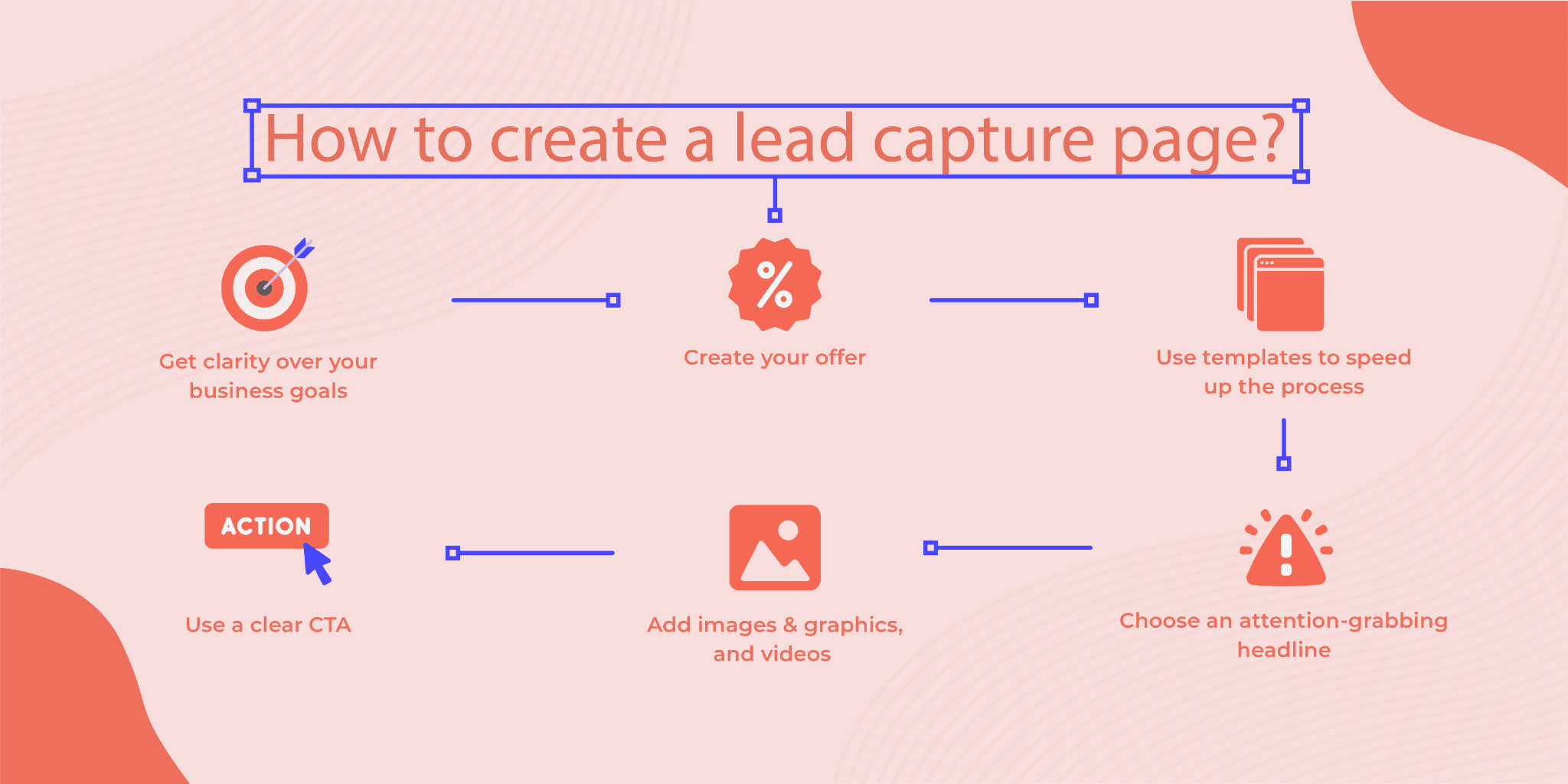
Image Source
Your CTA should be compelling, action-oriented, and urgency-driven (e.g., “Get Your Free Guide Now” instead of just “Submit”). A/B testing different headlines, CTA buttons, and form placements helps identify what works best.
By continuously refining your lead capture elements, you can increase conversion rates and maximize lead generation efficiency.
Implementing an Automated Lead Nurturing System
An effective lead nurturing system is essential for converting potential customers into paying clients. Many leads are not ready to buy immediately, and without consistent engagement, they may lose interest or choose a competitor.
This is where automation comes in—helping businesses maintain meaningful communication without requiring constant manual effort.
Email marketing automation is one of the most powerful tools for lead nurturing. By setting up personalized email sequences, businesses can guide prospects through the buyer’s journey with valuable content, case studies, and offers.
Drip campaigns deliver relevant messages at strategic intervals, ensuring leads remain engaged. Segmentation is crucial—grouping leads based on their interests, behaviors, or stage in the sales funnel allows for targeted messaging that resonates.
Beyond email, businesses can use chatbots, retargeting ads, and SMS automation to keep leads engaged across multiple touchpoints. CRM (Customer Relationship Management) tools like HubSpot, Salesforce, or ActiveCampaign help track interactions, ensuring follow-ups happen at the right time.
Integrating automation with lead scoring can also prioritize high-intent leads, allowing sales teams to focus on the most promising prospects.
By implementing a well-structured, automated lead nurturing system, businesses can improve conversion rates, shorten sales cycles, and ensure no potential lead falls through the cracks—leading to predictable and sustainable revenue growth.
Measuring and Refining Your Lead Generation Strategy
To build a predictable lead generation machine, businesses must continuously track, analyze, and refine their strategies. Without measurement, it’s impossible to know what’s working, what needs improvement, and how to maximize ROI.
The first step is identifying the key performance indicators (KPIs) that matter most. These typically include:
Lead conversion rate – The percentage of visitors who become leads.
Cost per lead (CPL) – How much you spend to acquire a new lead.
Lead quality score – How likely a lead is to convert.
Customer acquisition cost (CAC) – The total cost of converting a lead into a customer.
Lifetime value (LTV) of a customer – The long-term revenue generated per customer.
Using tools like Google Analytics, CRM dashboards, and marketing automation software, businesses can track these metrics and uncover trends. A/B testing (e.g., testing different ad creatives, email subject lines, or landing page designs) helps optimize conversion rates.
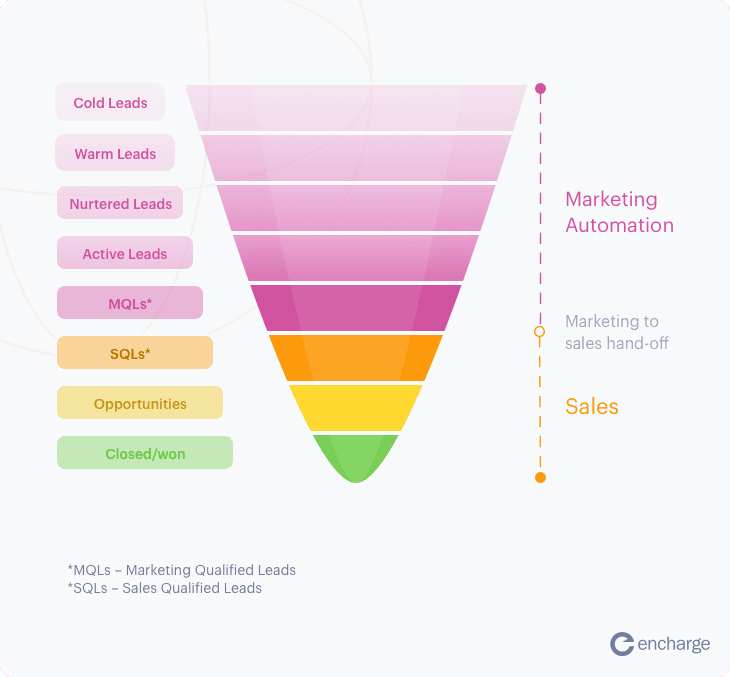
Image Source
Regular audits of lead sources allow businesses to double down on high-performing channels and cut underperforming ones. If a paid ad campaign is yielding low-quality leads, adjusting the targeting or messaging can improve results. Likewise, monitoring email engagement can reveal if nurturing campaigns need improvement. Utilizing a data integration platform allows you to automate reports across all the channels used by essential KPIs and compare their performance side-by-side in auto-refreshing dashboards.
Refining a lead generation strategy is an ongoing process. By using data-driven insights, businesses can reduce costs, improve efficiency, and scale lead generation efforts with confidence.
Scaling Your Lead Generation Machine
Once a business has a predictable lead generation system in place, the next step is scaling it for exponential growth. Scaling requires increasing lead volume while maintaining (or improving) conversion rates and efficiency.
One of the best ways to scale is by automating and streamlining processes. Marketing automation tools can handle larger volumes of leads without requiring more manual effort.
Businesses should also refine their lead qualification and scoring system to ensure only high-quality leads move through the funnel, allowing sales teams to focus on the most promising prospects.
Expanding to new marketing channels is another strategy for scaling. If a company has primarily relied on content marketing and SEO, adding paid advertising, influencer partnerships, or referral programs can bring in new audiences. Testing new social media platforms or experimenting with video marketing can also drive increased engagement.
Investing in team growth is essential for scaling. As lead volume increases, hiring additional sales reps, marketing strategists, and customer support staff ensures no lead is lost due to lack of follow-up. Businesses should also refine their CRM and analytics processes to handle larger datasets efficiently.
Scaling isn’t just about increasing lead volume—it’s about ensuring long-term sustainability by optimizing efficiency, improving automation, and continuously refining lead generation efforts.
Common Mistakes to Avoid
Many businesses struggle with lead generation due to common pitfalls that reduce efficiency, waste resources, and result in lost opportunities. Avoiding these mistakes can dramatically improve results.
1. Not Defining a Clear Target Audience
A vague or broad target audience leads to wasted marketing spend and low conversion rates. Businesses must create detailed buyer personas based on demographics, pain points, and behaviors to ensure messaging resonates with the right people.
2. Ignoring Lead Nurturing and Follow-Ups
Generating leads is just the first step—nurturing them through automation and follow-ups is crucial. Many businesses fail because they don’t engage leads effectively, leading to lost sales opportunities. Implementing structured email sequences and CRM follow-ups ensures consistent engagement.
3. Relying Too Heavily on a Single Channel
Businesses often depend on one lead source (e.g., Facebook Ads or SEO). If that channel dries up, lead flow stops. A diverse marketing strategy across content marketing, PPC, email, social media, and outbound outreach reduces risk.
4. Focusing on Quantity Over Quality
Attracting a high volume of unqualified leads drains resources. A strong lead qualification system ensures sales teams spend time on high-value prospects.
5. Failing to Measure and Optimize Performance
Many businesses set up lead generation campaigns but never analyze their effectiveness. Without tracking key metrics like conversion rates and cost per lead, it’s impossible to optimize for better results. Regular analysis and A/B testing are essential for improving efficiency.
By avoiding these mistakes and adopting a data-driven, diversified, and nurturing-focused approach, businesses can build a sustainable, highly effective lead generation machine that consistently drives revenue growth.
Final Thoughts on a Lead Generation Machine for Your Business
Building a predictable lead generation machine is not a one-time task but an ongoing process that requires adaptation, testing, and optimization. A truly effective system is data-driven, scalable, and tailored to your business goals.
By consistently analyzing key metrics, refining your strategies, and leveraging automation, you can create a steady flow of high-quality leads without relying on luck or guesswork.
The key to success lies in understanding your audience, crafting a compelling value proposition, and using the right mix of inbound and outbound strategies to capture and nurture leads effectively.
As your business grows, your lead generation efforts should evolve as well. Experiment with new marketing channels, explore innovative automation tools, and continuously optimize your conversion process.
Avoid common pitfalls such as failing to define a clear target audience, neglecting follow-ups, or relying too heavily on a single strategy. Instead, focus on building a system that is resilient, flexible, and designed for long-term success.
By implementing the strategies outlined in this guide, you will gain the ability to predictably generate leads, scale your business, and establish a competitive advantage in your industry.
Now, take action, refine your approach, and watch as your lead generation machine drives sustained growth for your business.