Today, a smartphone is a mainstay in our lives. Since it’s become so important, we don’t want anything happening to it. A phone, however, isn’t immune to everyday wear or accidental drops. To make sure it survives typical usage, screen protectors exist. But the question is, should you splurge on a high-end screen protector to get what may only be minimal extra protection compared to a cheap one?
In the early days, smartphone screens were not as robust. You got a fancy new iPhone, only to scratch the glass display in your bag with your car keys. Screen protectors filled a real need back in the early days of smartphones. Now, however, with the latest Corning Gorilla Glass variants, many phones are a lot more sturdy and less prone to damage. Still, even the best displays can get scratched, and to avoid that cruel fate, you can opt for a screen protector. But instead of going for the highest price tag, you’ll want to find the right type — like tempered or hybrid glass — best suited to your daily usage.
Any screen protector can break
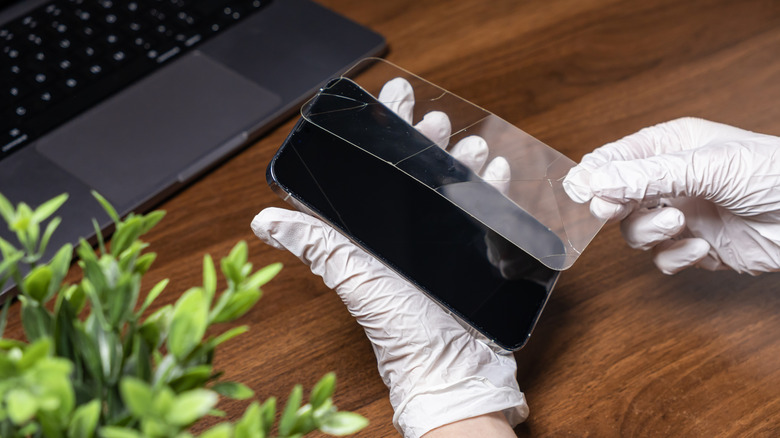
Nowadays, you can find screen protectors as cheap as $5 or $6, or high as $50 and more. In most cases, any screen protector will accumulate damage and should be replaced when the cracks really start to show.
Unlike your screen, where the damage is permanent, a screen protector is disposable armor. It nobly sacrifices itself, and is generally “easy apply, easy remove.” If all a screen protector does is prevent scratches and fall damage, and you have to replace it eventually anyway, why not settle for a cheaper one that more or less does the job? Instead, you should invest in insurance or AppleCare, or a sturdy cover.
An expensive screen protector is not a total waste, however. A cheaper model will use lower quality materials and be replaced easily, while the premium ones come with top-quality build, higher impact resistance, or additional features like anti-glare. This means they can soak up more damage, and if money’s not a problem, why not provide the best possible security? Margins can be small, but it’s peace of mind. Still, rather than the cheap vs. expensive decision, you want to pay more heed to what you need.
Getting the right type matters more
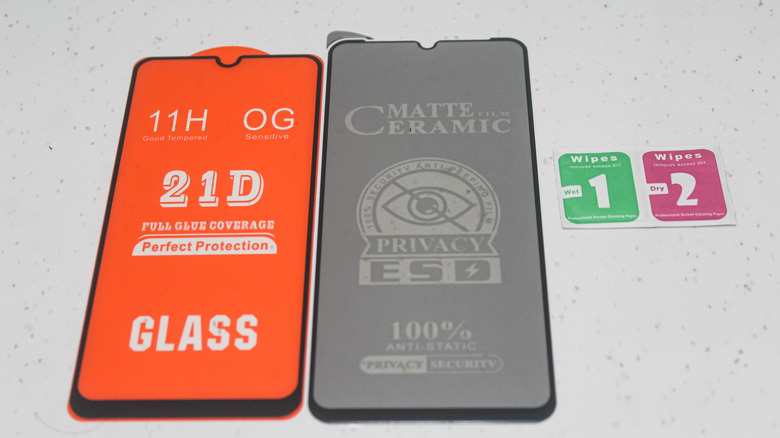
Before looking at the price tag, it’s important to decide the best type. You have your standard PET plastic, which is the cheapest and most basic screen protector. It’s a simple thin plastic film that offers some scratch resistance, retains the display’s natural feeling, but can’t do anything about impacts. A slightly stronger option is TPU hydrogel, offering better protection and flexbility, while losing out to glass in clarity and scratch resistance.
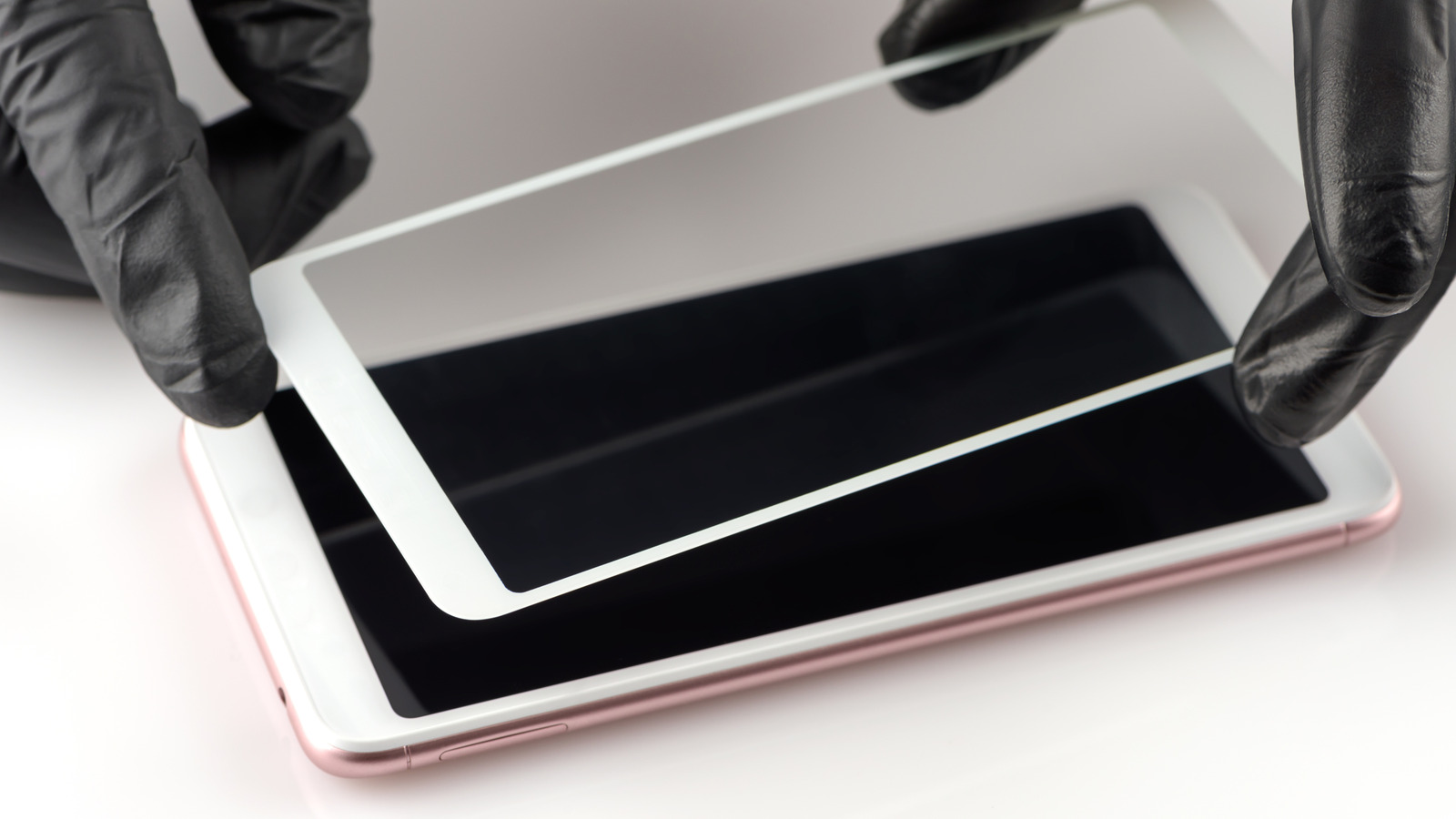
Then, you have your Tempered Glass (TG), which is probably the best option for a lot of users. It is a solid glass layer that protects against both scratches and light impacts, and still retains the feeling of interacting with a glass screen. However, do note that curved displays don’t agree with standard tempered glass, and if the phone falls on its sides, you could get a long crack. Specialized UV-installed tempered glass exists for curved displays that properly covers the screen and feels great, but it’s hard to install, and the UV glue can damage the phone.
Hybrid tempered glass is for users that live in constant fear of drop-related accidents. Glass-type protectors also come in special variants like anti-glare or matte with similar protection value. Finally, nano liquid-based screen protectors create a thin film with ample resistance, immaculate look, and no air bubbles, but wear off and are vulnerable to impact. Now glass protectors definitely offer superior performance compared to plastic, but if you have to choose between a $15 and a $50 tempered glass, the former will do the job just fine. You can buy the latter if you want, but the gain is minimal.