We may receive a commission on purchases made from links.
Smart home devices offer the promise of an everyday life that is more convenient, safe, and entertaining. From the best smart light bulbs that can change brightness and color to nearly invisible home security gadgets that alert you when there’s someone at the front door, there’s not much you can’t do with the latest and greatest tech — that is, unless, your internet connection goes down.
Many smart home gadgets require a Wi-Fi connection to function, and without this pivotal gateway to the internet, there’s little you can do with your tech. Fortunately, you can build a robust smart home that doesn’t rely on an internet connection at all. If you’ve spent time researching smart devices, you may have come across the terms Zigbee and Z-Wave: These are local protocols that create a closed network for your smart tech to live on.
One of the main benefits is enhanced security, because your devices won’t be required to send and receive data from external servers. If this sounds compelling, one of the first items to consider for your internet-free smart home is a Zigbee or Z-Wave hub. You can think of this as the brain for your alternative smart home that allows your devices to communicate with each other and execute automations.
Considerations for your internet-free smart home
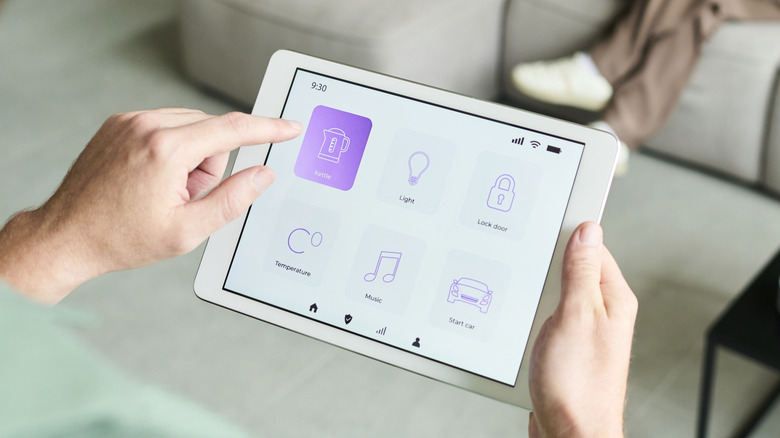
One brand that offers local protocol hubs is Hubitat and its Elevation Model C-8 Pro. Compatible with hundreds of essential smart home gadgets, it is easy to set up and supports Zigbee, Z-Wave, and even Matter — another type of local protocol. As far as controls go, your offline smart home is still going to require software to operate. Hubitat uses a proprietary system called Hubitat Elevation that you can use on a phone, tablet, or computer. You’ll use the software to set up, manage, and customize devices, and it’s free.
Of course, Hubitat is not the only player in the game. Competitive platforms like Home Assistant and OpenHAB offer controls and customization that are equally intuitive and encompassing. Just make sure that whatever hub and software you choose, it supports the local protocol you’re using to link all your devices together. You’ll also need to invest in smart home devices that are compatible with Zigbee, Z-Wave, or other internet alternatives.
On this front, Zooz makes a wide variety of smart light switches, like the Z-Wave Long Range S2 dimmer switch, along with alarms and temperature sensors. If you want to stick with something more traditional, Philips Hue is a solid option with numerous lighting products to choose from. When it comes to home security, Aqara and Sonoff both make surveillance gear.