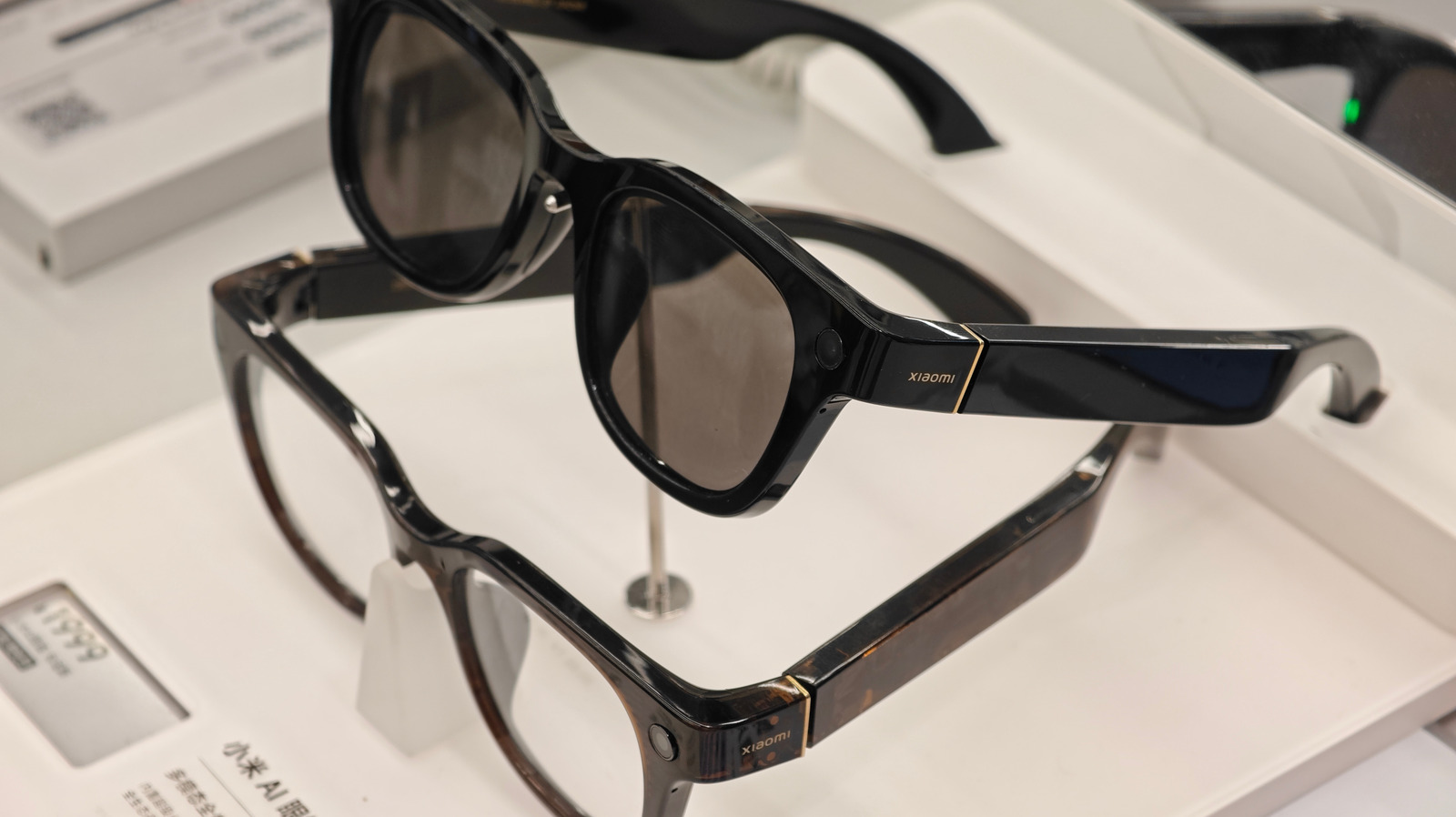
Next-gen smart glasses were one of the biggest reveals that stood out at CES 2026 in Las Vegas. Of roughly 60 exhibitors showing smart eyewear, at least 27 of them came from Chinese companies. This staggering proportion underlines how the Chinese tech industry is taking the lead in this emerging category. The truth is, China’s smart glasses market is exploding. The International Data Corporation’s (IDC) numbers show a sharp increase of 62.3% in the shipment volume of Chinese smart glasses. But this isn’t just about numbers. At CES, Chinese technology brands stood out across the floor. Established companies such as Rokid and Xreal, alongside new players such as LLVision, showed off lightweight smart glasses enhanced with AI and practical features. Many models promised hands-free interaction, real-time translation, and augmented reality experiences that rival those offered by Meta.
What was striking wasn’t just the quantity of Chinese products, but their diversity and quality too. We’ve seen everything from sleek audio-centric specs to advanced AR glasses capable of displaying digital content over the real world. All these devices drew crowds and attention during the whole trade show. China seems to be taking it to the next level in the next-gen consumer technology sector.
Chinese AI glasses and brands

The annual CES trade fair revealed the coolest tech innovations of 2026, and some Chinese innovators grabbed the spotlight. Companies demonstrated how artificial intelligence can transform smart glasses. Wu Fei, CEO of LLVision, put it perfectly: “The rise of smart glasses is riding directly on advances in AI.” The Chinese companies are testing the limits of real-time interaction, translation, and productivity features in smart eyewear thanks to the newest developments in AI.
One device that grabbed the headlines was the Rokid AI Glasses Style. This is a pair of lightweight, display-free AI glasses that run multiple large language models, including ChatGPT, DeepSeek, and Alibaba’s Qwen. This is what powers the eyewear’s on-the-fly voice assistance, translation, and navigation. The open AI ecosystem enables real-world applications without locking users into a single platform. Another standout was XGIMI’s MemoMind AI glasses. These specs embed a display and an AI interface directly into the lenses. You can use them for messaging, navigation, and smart notifications. The augmented content feels natural due to the bright MicroLED visuals, but the overall fit is also stylish and comfortable. Meanwhile, Xreal’s 1S offered a wider field of view and Real 3D technology that converts flat content into 3 dimensions. This is the feature that bridges the traditional smart glasses and XR headset experiences.
The next-gen smart glasses blur the lines between smart glasses as we know them and VR headsets. Some companies showcased lightweight augmented reality units, such as Xreal’s R1, with spatial computing and virtual screens. But put together, all these devices show how AI is central to the next generation of smart eyewear.
The purpose of smart glasses beyond AI
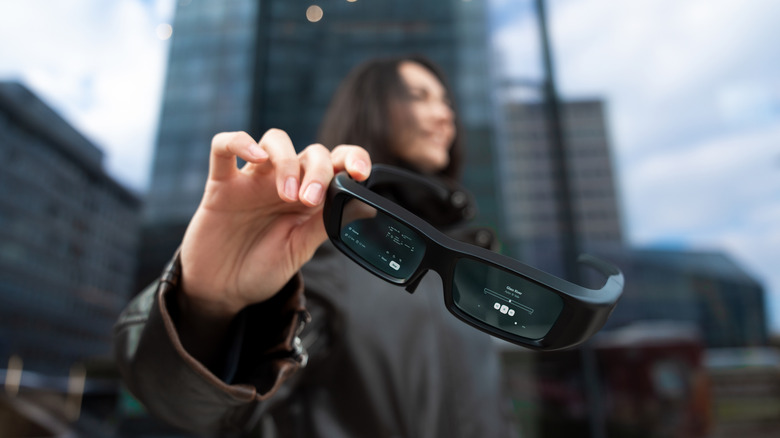
At CES 2026, Chinese smart glasses companies didn’t just showcase the powerful AI brains. They also focused on style, comfort, and wearability that could appeal to everyday users. XGIMI presented its MemoMind line, designed to look and feel like regular glasses. It even offers multiple frame options and lightweight builds for daily use. The presented models are meant to be non-intrusive companions that offer translation, note-taking, and background assistance. These everyday experiences show that smart glasses are not just about AI assistance and receiving notifications.
CES 2026 also featured glasses that point toward phone-independent future devices. RayNeo’s X3 Pro “Project eSIM” glasses include a built-in eSIM and 4G connectivity. That means calling, streaming music, and real-time translation could happen without a smartphone. Smart glasses could replace our phones. Gaming also got its moment with ROG XREAL R1 AR gaming glasses, developed with help from ASUS. They deliver ultra-smooth 240Hz refresh rates and big virtual screens for game sessions.
Failed eyewear tech like Google Glass came way too early and didn’t see much practical use. Now it’s a different story, thanks to the potential of AI and the progress made in smart technology. So if the old tech disappointed you, you should keep an eye on what’s coming out next.