TV wear isn’t something that can be measured in straightforward metrics. For most modern TVs, you can expect them to last for more than a decade with minimal loss in image quality under normal circumstances. Your TV’s longevity depends on a number of factors, and it’s not rare for most people to be doing things that shorten your TV’s lifespan. High levels of brightness, certain types of display architecture, the content that plays on it, and yes, leaving your TV on all day, can all damage it.
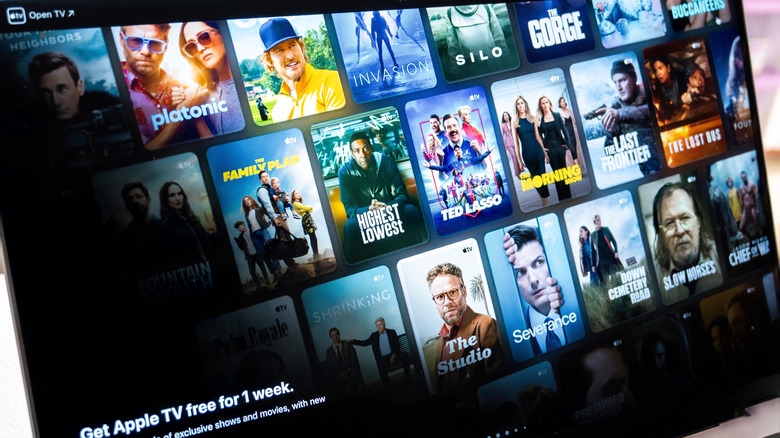
You might experience issues like burn-in, warping, and potentially even a complete breakdown much sooner than expected by overusing your TV. This danger becomes even worse if you use your TV for things that have static images, as lighting up the same pixels takes more effort for TVs. This includes anything with UI elements that stay on-screen, such as news channels, sports, and certain games. That isn’t to say that leaving your TV on for an entire day is sure to ruin it, though.
So long as the overuse isn’t continuous, you shouldn’t worry about any issues. If you allow it time to rest and follow its compensation cycles, many of the potential risks are negated. If, however, you intend to leave your TV running all day, every day, you’ll be running into problems in just a couple of years. How your TV responds to staying on for longer hours also depends on what kind of TV it is. LCDs are more resilient to most types of TV wear (especially burn-in) when compared to OLED, plasma, and LED TVs. Similarly, thicker TVs — usually ones with full-array or direct-lit displays — are much better at tolerating overuse.
What happens when you keep your TV on
Like any other complex machine, a TV is made up of various tiny parts working together to produce the desired result. If any of these parts begins to malfunction, the effects show in the entire display. Some components can completely stop your TV from working if they take damage, such as the power supply, while others such as isolated LEDs in an OLED only affect the display quality.
The main culprit behind most TV wear ends up being heat. A TV emits light and runs on electricity, both of which produce heat. As you might expect, leaving your TV on all day produces a larger amount of heat than normal, which can accelerate decay in many parts. In thin, edge-lit displays, heat can cause the reflector sheet to deform, which can result in playback looking uneven. This heat can also burn light marks into the display itself in TVs where the reflector sheet isn’t locked in place, something that’s also common in edge-lit TVs.
For OLEDs, not turning your TV off for longer periods of time can cause specific pixels on the screen to get strained if you have the same visual elements on the screen. This is what causes burn-in on OLED TVs, a problem that seems to be worsening in QD-OLEDs.
How to extend your TV’s lifespan
If leaving your TV on all day isn’t something you can change, but you still want to avoid damage, there are a couple of things you can do. First, you should opt for a more durable, usually thicker TV. Unfortunately, OLEDS aren’t always worth it, and to make the most use out of your TV, you’d want an LED with a full-array or direct-lit display. You can also turn down the brightness to lower the heat levels causing these problems.
If you still want to use an OLED TV, most major manufacturers are doing things to make burn-in less of an issue by introducing things like compensation cycles. If you give your TV time to rest and run these cycles properly, burn-in can be avoided. Even in the case that you start seeing signs of image retention, these cycles can help patch them up. Staying away from static images also helps, so having a separate monitor to watch CNN on can drastically increase the time you can spend with your TV.