Nick Fernandez / Android Authority
TL;DR
- Steam’s maker, Valve, has been playing a huge role in Windows emulation on Android.
- Valve has funded projects such as Pex emulator and Proton, which allow Windows games to run on Android more easily.
- Pex and Proton also form the basis for GameHub, a popular Windows emulator for Android.
For nearly three decades, Valve Corp. has played an indispensable role in PC gaming, especially contributing to distribution and DRM rights for titles through Steam. But more recently, the company has been interested in making gaming more mobile, first with the launch of the Steam Deck and, more recently, with the Steam Machine, its PC-console hybrid for running Windows games, as well as the Steam Frame XR headset. However, in addition to contributing to PC gaming’s portability, Valve might solve another problem: the uninspiring state of title support on Arm chips for laptops, including Apple’s M series and Qualcomm’s Snapdragon X.
And in doing so, the indirect benefactor will be the broader set of Arm devices, i.e., mobile phones and tablets. Sean Hollister of The Verge recently discussed Steam Hardware’s role in emulation on mobile devices, particularly Android. One of SteamOS developers, Pierre-Loup Griffais, recently confirmed to The Verge that Valve has been sponsoring development of key emulation tools, including an open-source Windows emulator called Pex. The emulator works alongside the Proton compatibility layer, which is co-developed by Valve and CodeWeavers, and this forms the framework for running games designed for traditional x86 PC hardware on Arm architecture.
Don’t want to miss the best from Android Authority?


According to Griffais, Valve, by doing so, is effectively setting the stage for other hardware, including Android devices, Arm laptops, and iPhones or iPads, to use these services to allow PC emulation on its devices. Developers shouldn’t have to spend time porting games when “there’s a better way,” Griffais adds.
Proton, notably, builds on top of another popular suite, called Wine, for running Windows software on Linux and Mac. And with its efforts to ramp up Arm support, Valve has built a special version of Proton for Arm architecture — separate from the version for x86 chips. Proton handles high-level APIs, including DirectX and DirectSound, allowing Arm hardware with Linux or Android to render games much like they would on traditional PCs.

Robert Triggs / Android Authority
Fex’s lead developer Ryan Houdek recently also confirmed Valve’s contribution in a blog while announcing the company’s seventh anniversary. Houdek wrote in a blog, “I want to thank the people from Valve for being here from the start and allowing me to kickstart this project. They trusted me with the responsibility of designing and frameworking the project in a way that it can work long-term; not only for their use cases but also keeping it an open project that anyone can adapt for their own use cases.”
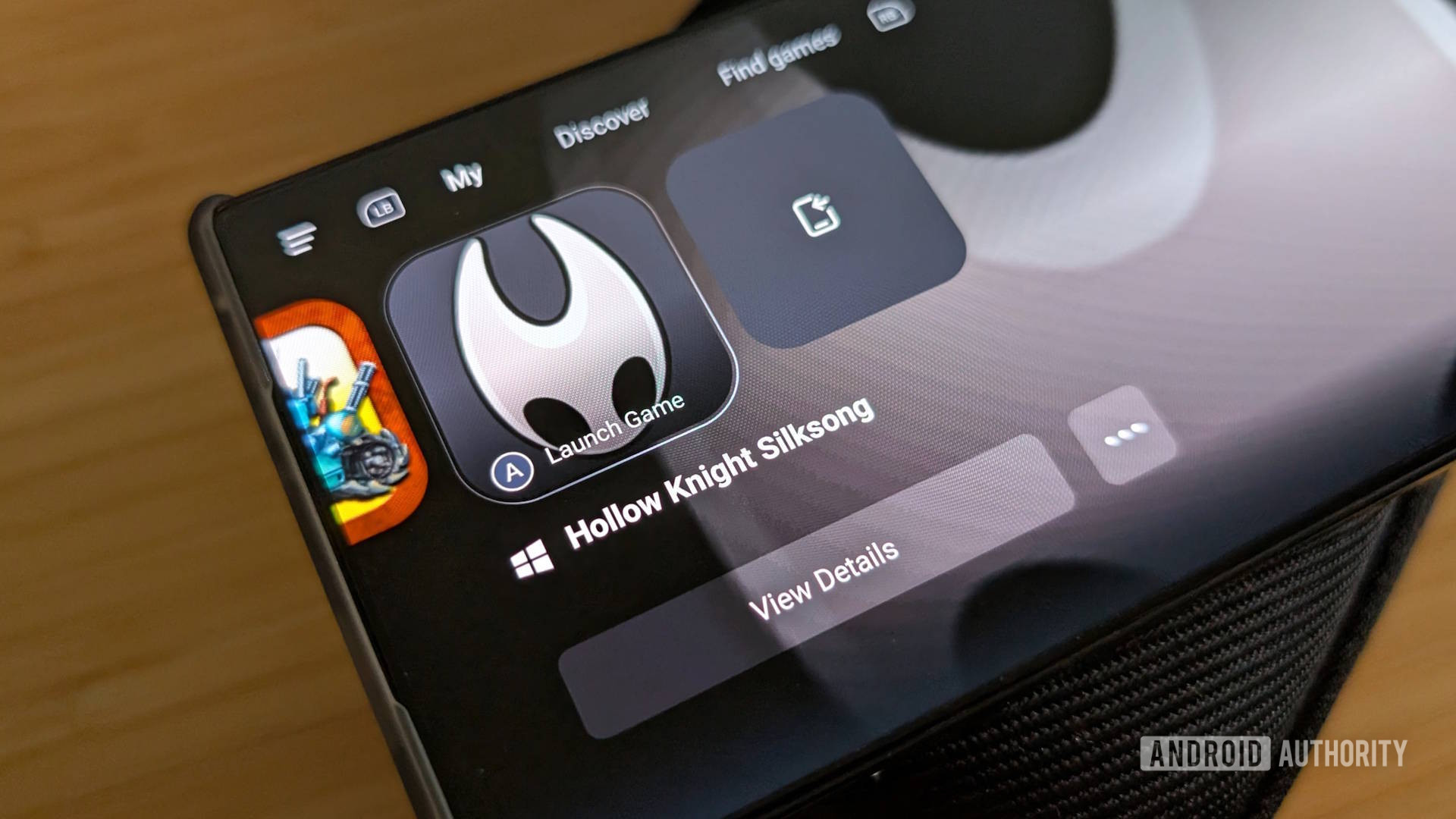
Incidentally, Pex and Proton are also seemingly powering recent innovations in Windows emulation on Android, including an emulator called GameHub, which has emerged as one of the most convenient ways to pull games from your Steam library and run them natively on Android. GameHub is developed and distributed by popular controller maker GameSir.
In addition to this pursuit, Griffais confirmed Valve plans to make SteamOS available across “a wider variety of Arm devices.” At the same time, making these games run more reliably is also a priority. Valve might also explore partnerships with other OEMs to bring SteamOS-powered hardware, essentially going the same route as Microsoft is eyeing with Xbox.
Thank you for being part of our community. Read our Comment Policy before posting.