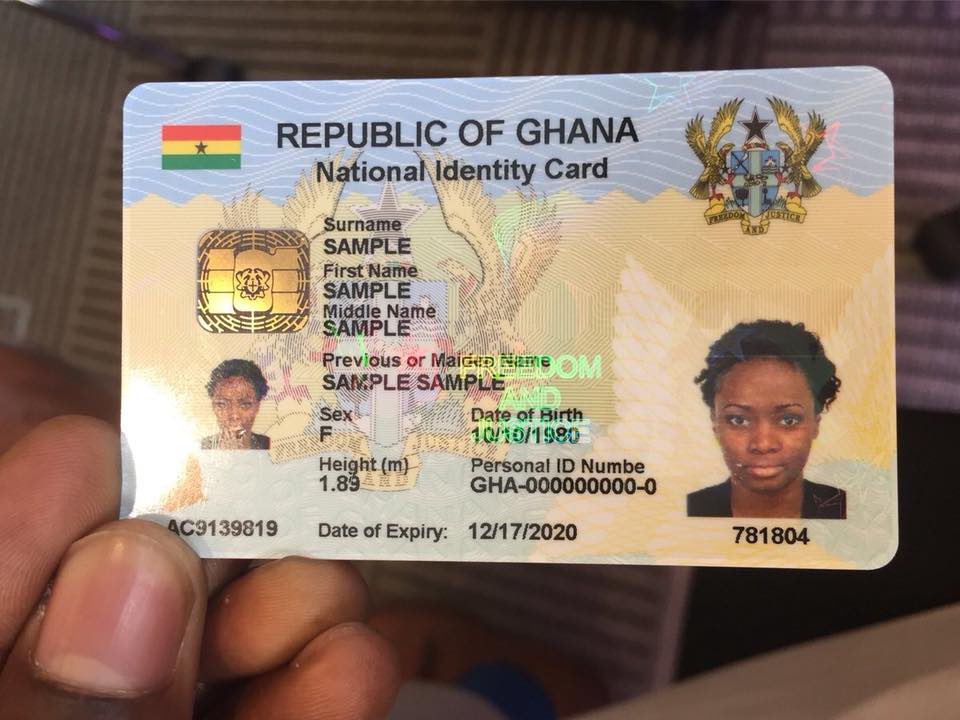
Ghana’s National Identification Authority (NIA), a statutory body mandated to establish a national identification system, has now added a digital wallet to the Ghana Card, the identification card used for services like SIM registration and passport applications.
The new payments feature, first announced in September 2025, would allow users to Automated Teller Machines (ATMs), make payments in stores and online, make international payments with over 200 countries, and access other services such as insurance and emergency assistance.
Current holders of the Ghana Card can activate the wallet by using the MyCitizens App or by dialling *402#.
The NIA’s aim for developing this feature is to bolster financial inclusion within the country. In Ghana, the credit card penetration rate was forecast at 0.6% in 2024 and was forecast to continuously decrease between 2024 and 2029.
By embedding a wallet into a nationally issued ID, Ghana is attempting to ease bottlenecks and allow more people to access financial services.
The wallet builds on what the NIA said was always a triple-purpose vision for the Ghana Card: identity, passport and payments.
The e-ID is already in use, the e-passport was activated in 2022, which they said enabled the card to be accepted as a passport in 197 countries worldwide, and now the e-wallet has gone live.
This e-wallet system is not expected to be controlled by a single bank or financial institution. Rather, the NIA noted it designed the embedded wallet as a uniform platform that will integrate banks.
The ambition of layering an e-wallet on the Ghana Card also extends to other economic activities, including gold trading.
The NIA noted its interest in a partnership with the Ghana Gold Board, the sole authority with exclusive rights to trade and export gold within the country, to use the Ghana Card as a platform for gold trading and tokenised transactions when the wallet integration was first announced. It is unclear whether this integration has been activated, as the recent announcement only indicated the availability of the payments feature.
If adoption is successful, Ghana could be testing a model where the need for global card infrastructure providers such as Visa and Mastercard is significantly reduced, and identity-based systems emerge as a new foundation for payments across Africa.