On January 1, 2026, Google filed a patent (via Hypertxt.ai) for an interesting smartphone battery design that skips glue and opts for a more mechanical way of locking the battery inside a phone using a rigid metal chassis. That new design should technically allow a normal user, like me, to dislodge the battery from the phone without puncturing it or damaging it, and replace it with a new one.
Although this is still a patent, and patents have a tendency to remain theoretical hogwash, there’s actually a reason why this particular one might end up in an actual product like the Pixel 12: the European Union’s battery regulation. And if it does, then Google might have finally figured out how to fix one of the Pixel’s biggest battery complaints.
Which battery innovation do you want on your next Pixel phone?
1016 votes
Pixels are made to last; their batteries aren’t
Rita El Khoury / Android Authority
Pixel phones last many years if you take care of them and you’re lucky not to face any major hardware defect. My mom was still using my five-year-old Pixel 5 as her main device until very recently, while my eight-year-old Pixel 2 XL is still functional and acts as my family’s backup if something goes wrong with our current phones. The problem with this longevity potential? Pixel battery life is mediocre as a start, and the battery itself just doesn’t last as long. Sure, the phones have a good resistance to aging, and the current seven-year software update promise means they will remain updated and secure for many years, but battery life just can’t keep up.
As a perk of my job, I’ve been upgrading my Pixels yearly since the Pixel 4 XL, and I know one thing for sure. Like clockwork, come June or July, after around nine months of use, I notice a significant dip in my phone’s battery life. It happens gradually, of course, but I don’t see its effect until I’m traveling somewhere during the long summer days and relying on my phone to carry on taking photos and using Maps until bedtime. All of a sudden, it can’t. The same phone that was able to manage long and busy days in September or October now dies around mid-afternoon.
My Pixel’s battery life was mediocre as a start, but after just a year, it’s even worse.
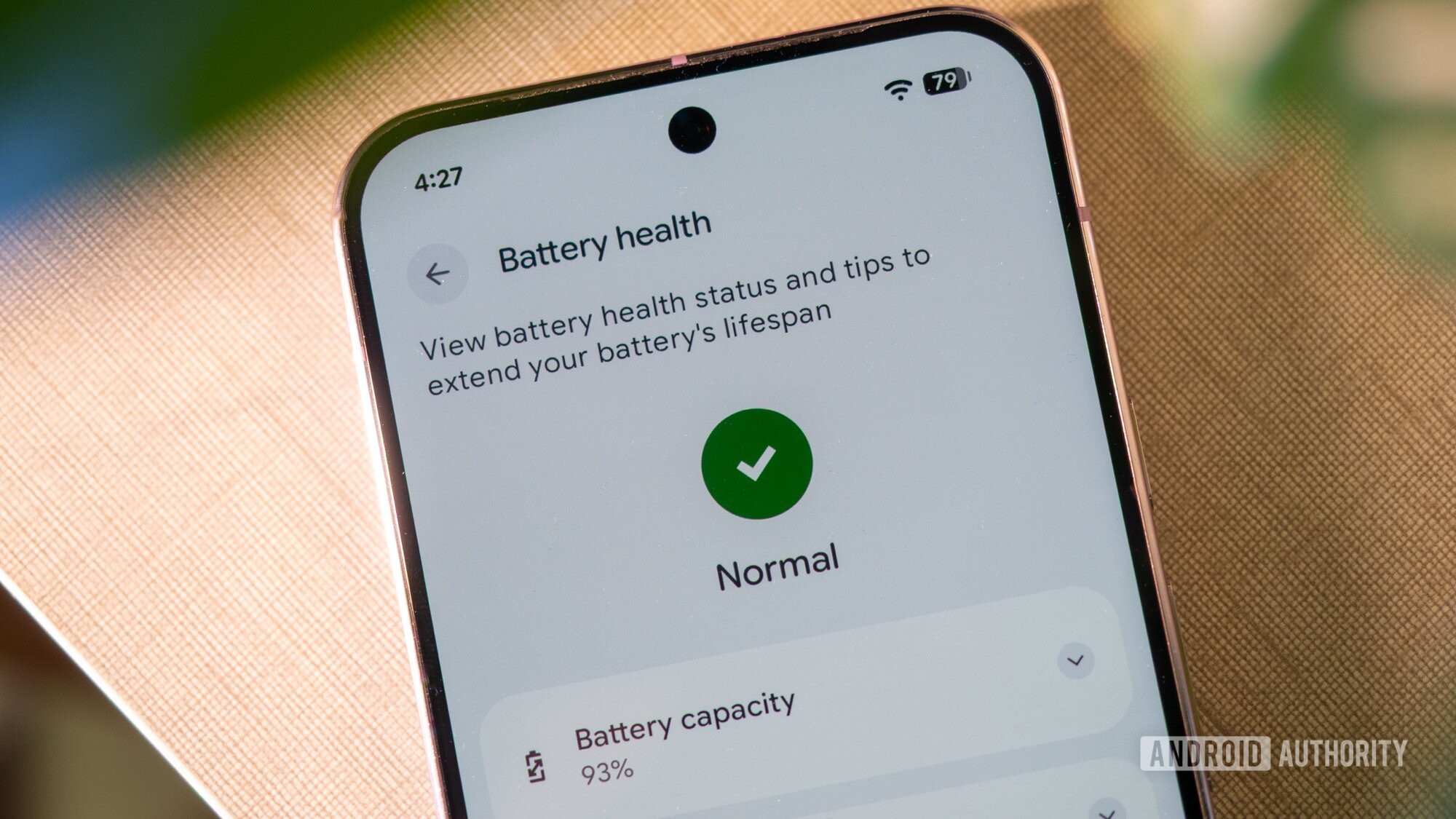
I’ve seen this happen to my Pixel 6 Pro, 7 Pro, 8 Pro, and to a lesser extent, to my Pixel 9 Pro XL. The Pixel 9 Pro XL says it’s down to 93% capacity after 365 cycles — though I feel it’s lost more than 7% of its longevity based on my experience. The battery wasn’t phenomenal as a start, and now it’s even worse. If one year of consistent use can do this to the battery, I can only imagine the impact of a couple more years. Actually, I can guess, kind of. My husband’s Pixel 7 Pro, which has been his primary phone since he bought it at launch, doesn’t show the exact cycle count and remaining capacity, but it clearly says the battery capacity is reduced because the phone has exceeded its rated cycle count.
This is still his daily driver; it works fantastically well with zero hardware issues, it’s still getting monthly updates, and he tells me every few months how he’s just not interested in upgrading. Yet the battery is starting to give in, and replacing it can only be done by a professional. This is where Google’s new patented battery design could make a difference.
What Google’s patented battery design could change for Pixels

Currently, most smartphone batteries are soft “pouches,” glued directly into the phone frame to save space and add structural integrity. This makes them dangerous to handle (any minor damage can cause fire) and requires heat guns or solvents to remove them safely, which can only be done by professionals. This goes against everything the European regulation requires, starting February 2027.
According to the regulation, products containing portable batteries, like smartphones, must have a removable and replaceable battery. The process must be doable by a regular person, not just a professional technician, using commercially available tools — if specialized tools are required, the manufacturer should provide them with their product. More importantly, adhesives that require heat or solvents to dissolve bonds with the battery are strictly prohibited. There’s more to the regulation, but this is the gist.

Google’s new patent gives us all a look at how the company is thinking about solving this major compliance issue without compromising waterproofing, wireless charging, or battery integrity. For one, it skips glue and proposes mounting the soft battery inside a rigid metal chassis — basically a thin frame that protects it from rattling inside the phone when dropped and from bending when it’s being snapped in and out. The frame locks into the phone mechanically using shear stops. As a result, a normal user should be able to reach the battery, unlatch it, and remove it without puncturing it and without using any special tools.
This new design could make it easy for you and me to easily swap out a new battery into our Pixels, making them last through those seven years of updates.
It’s not exactly clear how we’d open and close the phone without damaging its water resistance, as this patent focuses on internal repairability, but at least once inside, we should be able to handle the battery without any professional help. A removable back cover will be crucial to comply with the regulation, though.
If Google decides to adopt this design in 2027 to sell its phones in the EU, then the theoretical Pixel 12 series would take a significant step towards real multi-year use. Those seven years of updates could translate to seven years of use with a new battery every couple of years, since you can buy one and swap it yourself without resorting to a professional.
Of course, I’d still like to see Google provide longer and more consistent Pixel battery life out of the box, but easy replacements are a bigger priority. They make a more significant impact on the phone’s life cycle, its repair and reusability, and its resale potential.
Don’t want to miss the best from Android Authority?


Thank you for being part of our community. Read our Comment Policy before posting.