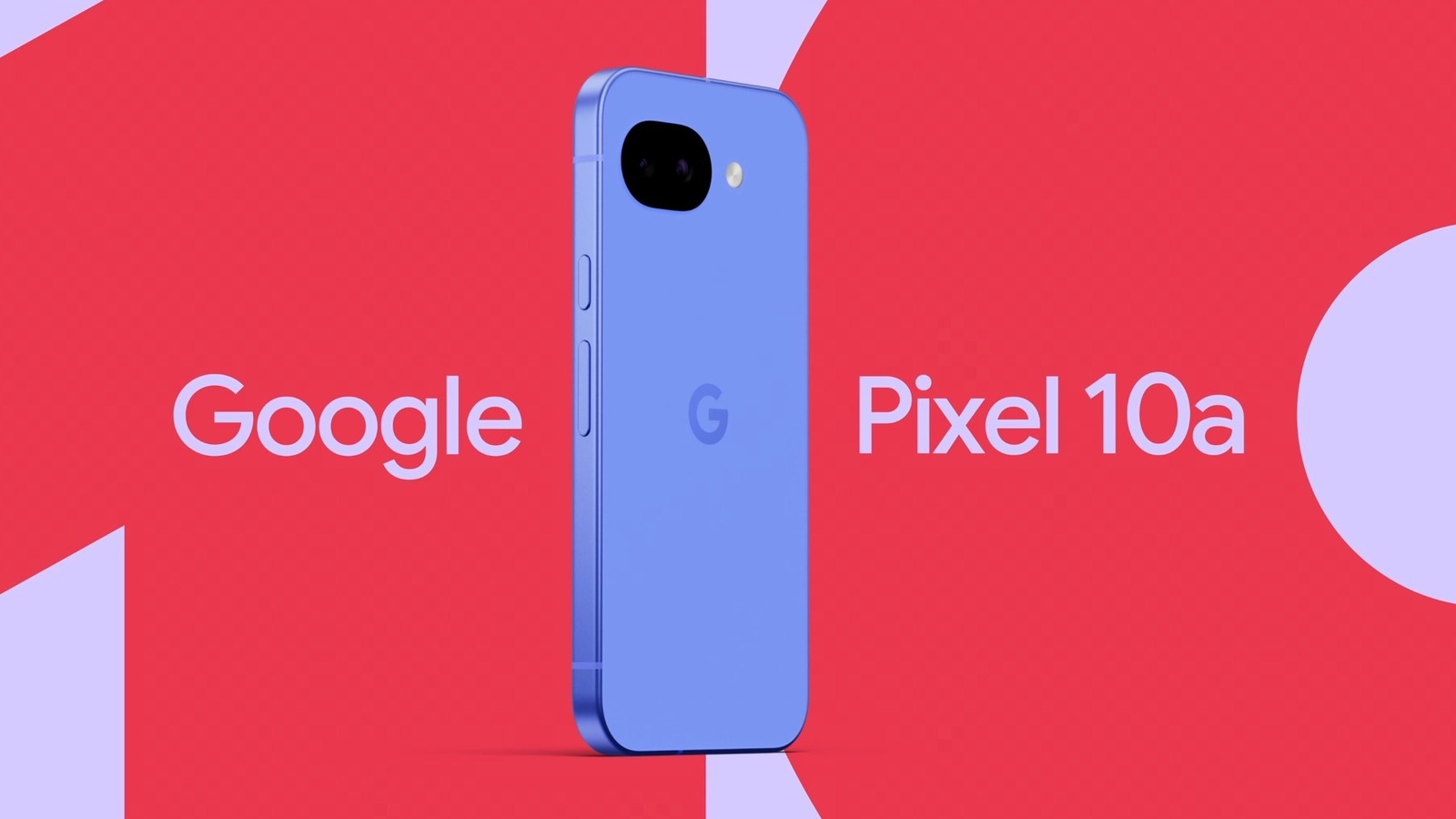
Google has revealed the Pixel 10a smartphone and, as expected, it brings some minor upgrades over the last mid-ranger – the 2025 Pixel 9a. The phone is available to pre-order now for $499/£499 ahead of the March 5 release day.
Barring the new Lavender and Berry colourways, the Pixel 10a looks a lot like its predecessor the Pixel 9a, with the flush camera island. However, the company has significantly altered the build materials to ensure the phone is more sustainable.
It includes the most recycled material of any device in the Pixel series yet. The manufacturer says: “Pixel 10a is made with the most recycled material of any A-series Pixel yet, including for the first time recycled cobalt, copper, gold and tungsten. It has a satin-finish 100% recycled aluminium frame and an 81% recycled plastic back cover.”
Again, some of the changes go beyond the surface level. While the screen remains at 6.3-inches, it offers 11% greater peak brightness – from 2,700 nits, up to 3,000 nits. That screen is now protected by Corning Gorilla Glass 7i cover glass for added durability and scratch resistance.
The Pixel 9a has a charging upgrade, boosting speeds to 30W. And Google is including the Satellite SOS that’ll enable users to make contact with the emergency services when out of Wi-Fi and cellular range. Google is still using the Google Tensor G4 chip bringing full access to the best of Gemini AI features. Perhaps it’s a little surprising that Google didn’t carry over the G5 from the mainline Pixel 10.
In terms of the cameras, the hardware is the same, but Google is hoping some AI features making their way to the A-Series might assist matters. The Auto Best Take which “helps make sure everyone in a group photo looks their best with a single shutter press” by analysing “multiple frames to find the perfect shot.”
Camera Coach which “uses Gemini models to give you step-by-step guidance on lighting and composition, helping you take better pictures and become a better photographer.”
Google is also including the new AirDrop-like feature that makes it possible to quickly transfer files between Android and iOS devices. There’s also the usual seven years of OS and security updates out of the gate.