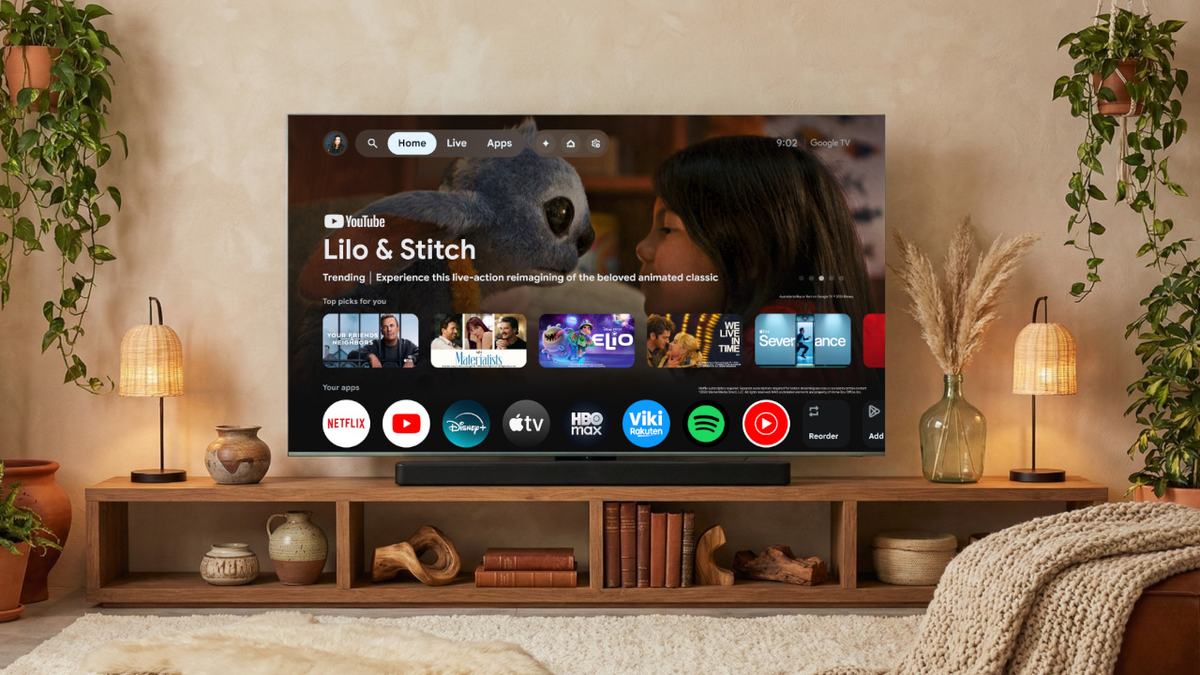
A small announcement slipped into the flood of conference information Google I/O 2026 could profoundly change the daily use of connected televisions. After focusing on the graphic redesign of its interface and the integration of Gemini AI, Google is now tackling the ergonomics of the remote control. The objective is clear: put an end to repetitive clicks to offer faster navigation and more natural, drawing strong inspiration from what LG for years with its Magic Remote on webOS.
How will this new system work?
The idea is to transpose the concept of the Nintendo Wii controller to the living room. By pointing the remote control at the screen, a cursor will appearallowing you to select elements much more directly than with a classic directional cross. This method is designed to streamline navigation on dense interfaces, such as the home page of Google TV or the application catalogs streaming platforms that are full of content.
To ensure the experience is consistent, Google has made specific requests to developers. They must now integrate states on hover (visual feedback when the pointer passes over an element), responsive scrollable containers and optimized cursor clicks. Some remote controls could even integrate a touchpad for scrolling, thereby complementing motion control.
Why is Google launching this feature now?
The observation is simple: the “box by box” navigation imposed by current remote controls is often perceived as slow and tedious. Entering a password or web address quickly becomes a chore. The gyroscopic pointer aims to “ reduce repetitive handling » and make the interaction more intuitive. It is a change in ergonomics, but also a change in the way of designing TV applications.
In a context where certain partners, such as Philips, are turning to other solutions such as Titan OS, this announcement is also a strong signal. It shows that the Google TV ecosystem continues to invest massively to remain competitive and attractive. This is to reassure manufacturers and developers about the ambition of the platform in the long term.

Which devices will be compatible with this wrist control?
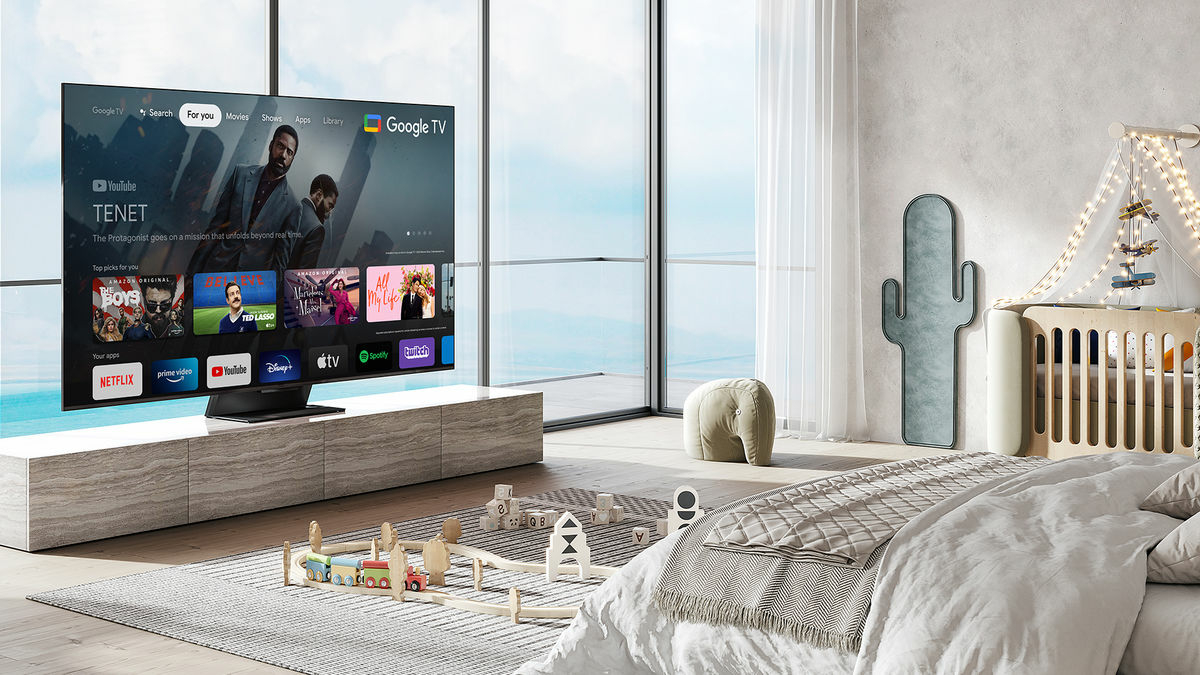
This is the main unknown. Currently, LG is the only major player to exploit this technology, but the Korean brand uses its own system, webOS. Current Google TV partners, such as Sony, TCL or Hisensehave shown no public interest in this type of remote control. No concept or rumor has emerged from their side, leaving the field of hardware compatibilities very open.
This situation fuels speculation. It is possible that Google is preparing a new generation of its own hardware, a successor to Google TV Streamer which would natively integrate such a remote control. For the moment, no deployment date has been communicated. We will therefore have to wait while developers adapt their applications and for the hardware ecosystem to adopt this new feature.