Marriott, Hilton and Hyatt, three of the largest hotel chains in the world, are accelerating their loyalty programs to get direct reservations, he explains Financial Times. The immediate objective is to save the 15-25% commissions they pay to Booking or Expedia, but the real concern is another: to prepare for when AI agents book trips for us.
Why is it important. Whoever controls the customer relationship when AI agents become widespread will control the business. Hotel chains have seen this movie before:
- This is what happened to e-commerce stores that sold directly, but were disintermediated by Amazon Marketplace.
- Or to the bloggers who went from publishing on their own websites to platforms like Substack, which promised reach and income.
- Or the developers who went from selling software directly to depending on the Apple and Google stores.
- Or, ahem, the media that lost control of distribution to, basically, Google.
The facts. Hotel chains are promoting their programs:
- Marriott Bonvoy reached 260 million members in September, up 18% from a year ago.
- Hilton is making it easier to access higher tiers while partnering to use points outside of its wallet.
- Marriott’s CFO has already stated that AI bookings “could be cheaper than OTAs.”
Translation: they prefer to pay commissions to OpenAI than to Booking. But only if they maintain control of the data and the relationship with the customer.
Between the lines. The obsession with loyalty programs has its logic. If they get 260 million people to be “Bonvoy members” with registered preferences and accumulated points, when the AI agents arrive they will have to count on them.
Or so they hope. Because this strategy assumes that AI agents will care about brands. But maybe not.
Yes, but. A really helpful conversational agent will scan all the available offer, compare prices in real time, read thousands of reviews and book. Without needing to see any interface. Without the brand mattering too much. Optimizing for Price, location and reviews, not whether it’s a Marriott or a Hilton.
If the customer never sees the brand, many decades and many dollars invested in brand recognition evaporate.
The big question. Who will we trust more: Booking, which we know charges a commission to the hotel, or an AI agent whose incentives we do not know to take us to one place or another?
At least current platforms are transparent: they charge the hotel and you pay for what you see. With opaque agents making decisions for us, we won’t even have that.
In perspective. This pattern will be repeated in dozens of industries. Insurance comparators, marketplacesrestaurant reservations, investment selection… Any digital intermediary whose value is “helping you choose” can be replaced by an AI agent that chooses for you.
Hotels will not be the only ones building loyalty walls. Any company whose contact with the end customer is intermediated by digital platforms should be preparing. Because AI agents won’t arrive in five years. The first ones are already here, clumsy, but improving every quarter.
In WorldOfSoftware | AI agents are very useful, until they turn against you to leak information: the dangers of ‘prompt injection‘
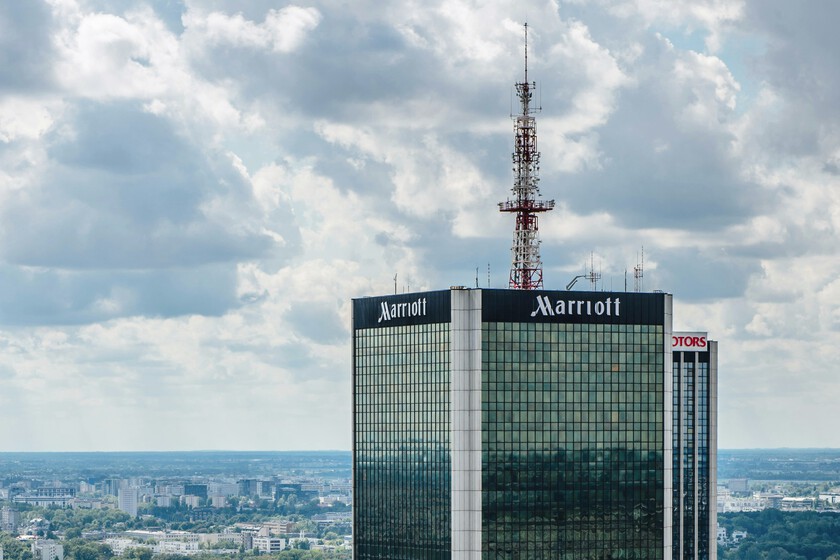
Featured image | Michael Mrozek