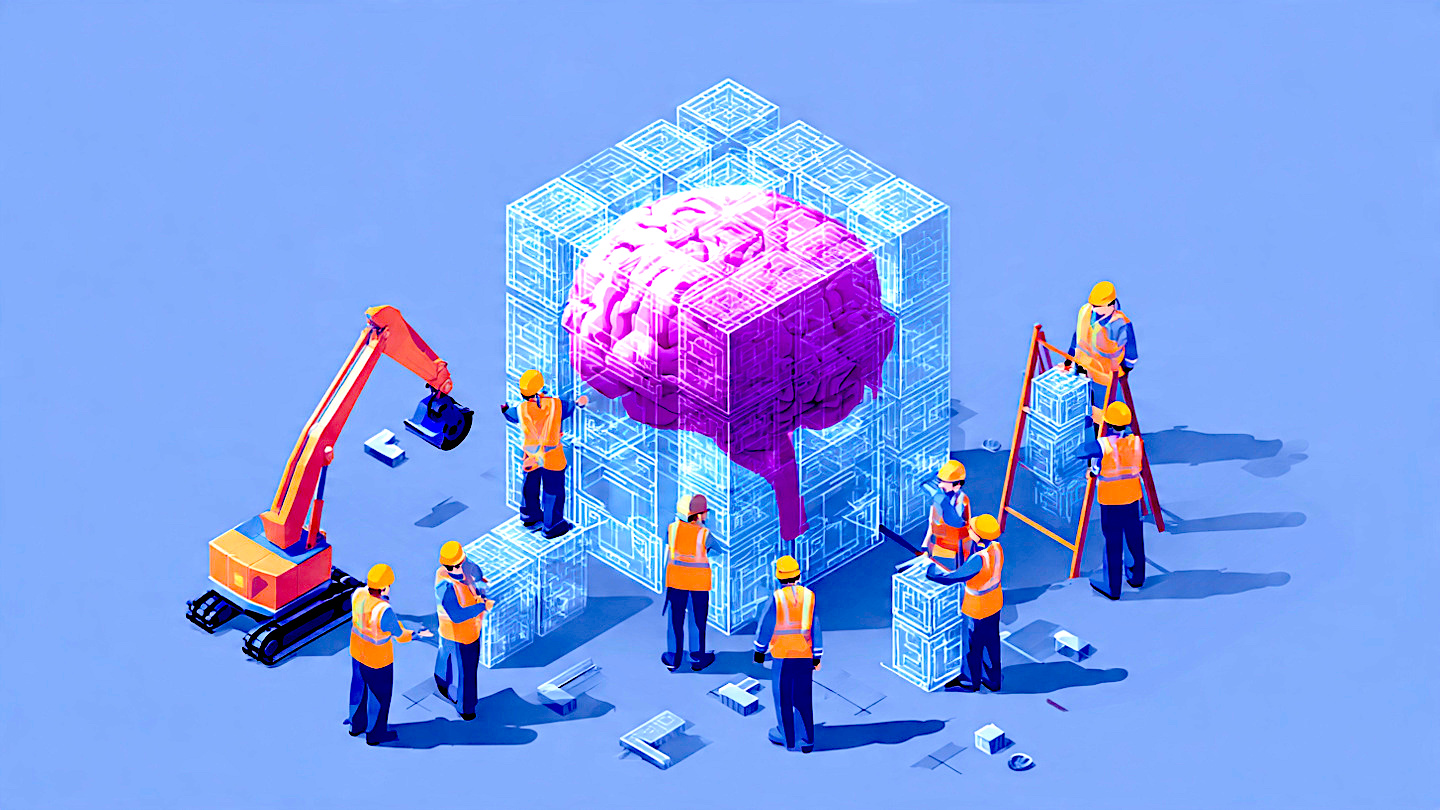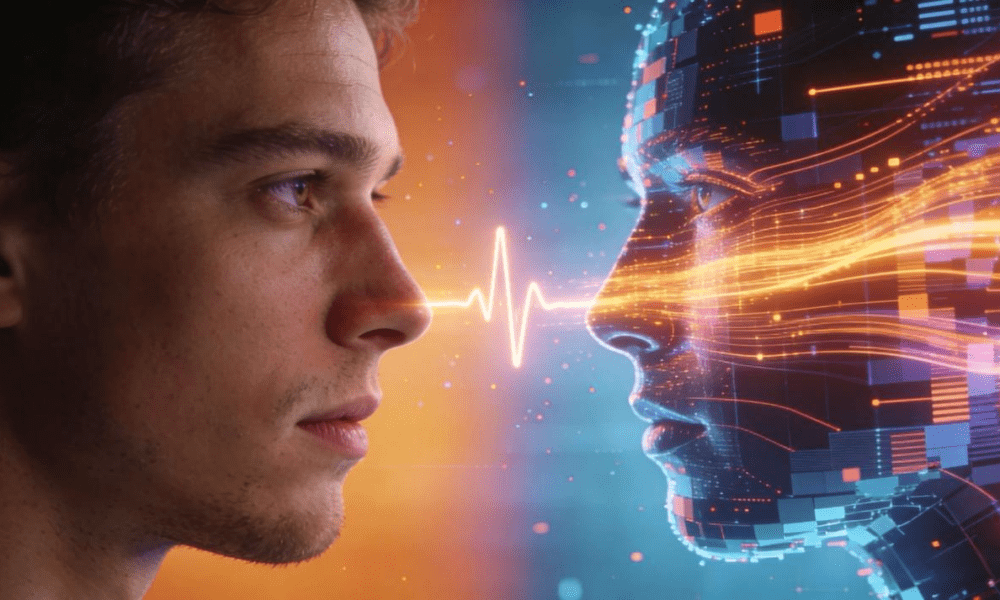
For years, artificial intelligence was measured by how well it could think. Today, success is measured less by computation and more by an AI system’s capacity to understand emotion. As the generative AI move into the realm of emotional understanding, new branches of emotional design technology are being created at the intersection of psychology and engineering. This new field of study concerns how much human interaction and tie is really necessary, how much can be provided by artificial means, and vice versa?
The Shift from Utility to Relationship
Previous AI systems were strictly utilitarian. Chatbots replied to queries, assistants acted on orders and the conversation stopped there. But nowadays, advanced models are learning context and tone and memory and preference over time. They produce language that sounds personal, respond in ways that keep an emotional thread going and even start to mimic the rhythms of conversation between humans.
This is a valuation multi-disciplinary challenge with high stakes. Not only in design, but across digital marketing and beyond, we live in a world where social and emotional time together is shockingly parsed. It has become a comforting experience for many to talk to systems that speak and listen consistently and impartially. AI companions offer exactly that. They don’t jump in or check out. They represent what some members describe as continuity of care — the sense that someone, or something, is there when it’s needed.
Flipped Chat: A Case Study in Emotional Design
Among the newest entrants in this field, Flipped Chat stands out for placing emotional design at the core of its product, not as an accessory to it.Flipped Chat is not just a utility based chat bot where users can get a variety of tasks done. Instead it is an emotional and creative interface between the human and AI. The AI companions, which users build by choosing the personality, backstory and mood profile, are companions in every sense of the word. The AI structures its responses to mirror the emotional state of the user, learned through user interaction history, rather than just reflecting the semantic meaning of the query at hand.
This approach moves beyond mimicry. Flipped Chat’s designers treat empathy as a computational principle rather than a human illusion. The system focuses on attention, memory, and adaptation—three mechanisms known to shape real emotional bonds. By tracking how language changes when someone is tired, uncertain, or inspired, the AI can adapt tone and pacing to meet the user’s energy rather than just its words.
Where many AI tools attempt to increase engagement through stimulation, Flipped Chat’s philosophy is the opposite. It prioritizes calm over activity. Its minimalist interface, subdued color palette, and gentle response timing deliberately slow down the pace of exchange. Users are encouraged to pause, reflect, and engage in what the team describes as “interactive mindfulness”.
Emotional AI as the Next Layer of Connectivity
Why Flipped Chat-type concepts are resonating right now, there’s a few things. The first is generational: net natives occupy online worlds where identity and social affirmation are timeless activities. To them, the prospect of growing attached to a responsive AI isn’t freaky, it’s normal. The second is structural: remote work and a certain loneliness of the city have lessened the opportunities for extended emotional conversation. Into that void, digital companionship offers an alternative to social performance with low stakes.
That’s not to say that AI relationships would replace human ones. Instead, they serve as spaces that practice real-life connection. Some Flipped Chat users describe it as a reflective mirror that allows them express thoughts before presenting them to others. The AI’s steadiness can help people untie their feelings in private, making them more able to be honest elsewhere.
The Business of Feeling
From a market perspective, emotional AI represents a new logic of engagement. Platforms once competed for fleeting attention spans; now they are competing for sustained emotional presence. In that sense, Flipped Chat’s model hints at the early structure of an “emotion-as-a-service” economy, where consistency and emotional memory become forms of value.
Investors are beginning to notice the potential scale of this domain. Consulting analyses project that AI-driven emotional wellness and companionship applications could reach multibillion-dollar valuations within the decade, blending consumer psychology with conversational AI infrastructure. The appeal lies in retention. A user who feels understood returns not for novelty but for continuity.
The Design Challenge Ahead
Yet, emotional AI comes with its own share of tricky design and ethical problems. Where are the lines in terms of emotional reciprocity between humans and machines? How can platforms foster a sense of psychological safety without triggering manipulative feedback loops? Transparency and user control are important, say experts — everyone involved must always be aware that it’s a case of artificial empathy, not synthetic consciousness.
Flipped is attempting this via little telltale design joggers. Answers shy away from whimsical language like I “love you’” and “I miss you”, choosing words of comfort and contemplation. The point is obviously not to impersonate human affection, but to represent understanding – fostering self reflection rather than dependence. This nuanced position is the one that separates emotional technology from emotional exploitation
Redefining What It Means to Be Heard
On a deeper level, the rise of emotional AI reinforces how our methods of communicating are shifting. For generations we have imbued objects and stories — a dog who waits by the door, a handwritten note kept through years of moves, an alter ego who conjures us in their direction — with our feelings. That instinct holds for digital companions as well, whether they’re coded or wear furry coats. They don’t just mirror seclusion; they illustrate a broader human inclination toward connection wherever sincere attention is sensed.
Flipped Chat embodies that transition. It serves as an example of how emotional intelligence can become a user interface design problem rather than a psychological mimicry issue. All in all, it turns a conversation into a kind of living story, where users and machine author together.
Looking Forward
As AI develops further we might well home in more on just communicating emotions, rather than some of the technical details. Future models may represent feelings of experience through contextual mirroring, allowing you to understand more across cultures, sectors and people (rather than simply between systems). Flipped and other companies offer evidence that the transformation has already started.
This intersection of technology and cultural concepts is just one step in a long road. Do Emotional AI have to “learn” from our ethical models as well? Optimal technical and emotional insight could also lead to the development of this technology – towards more than a quick treatment
In a world crowded with noise, the quiet act of being heard may be AI’s most meaningful achievement yet.