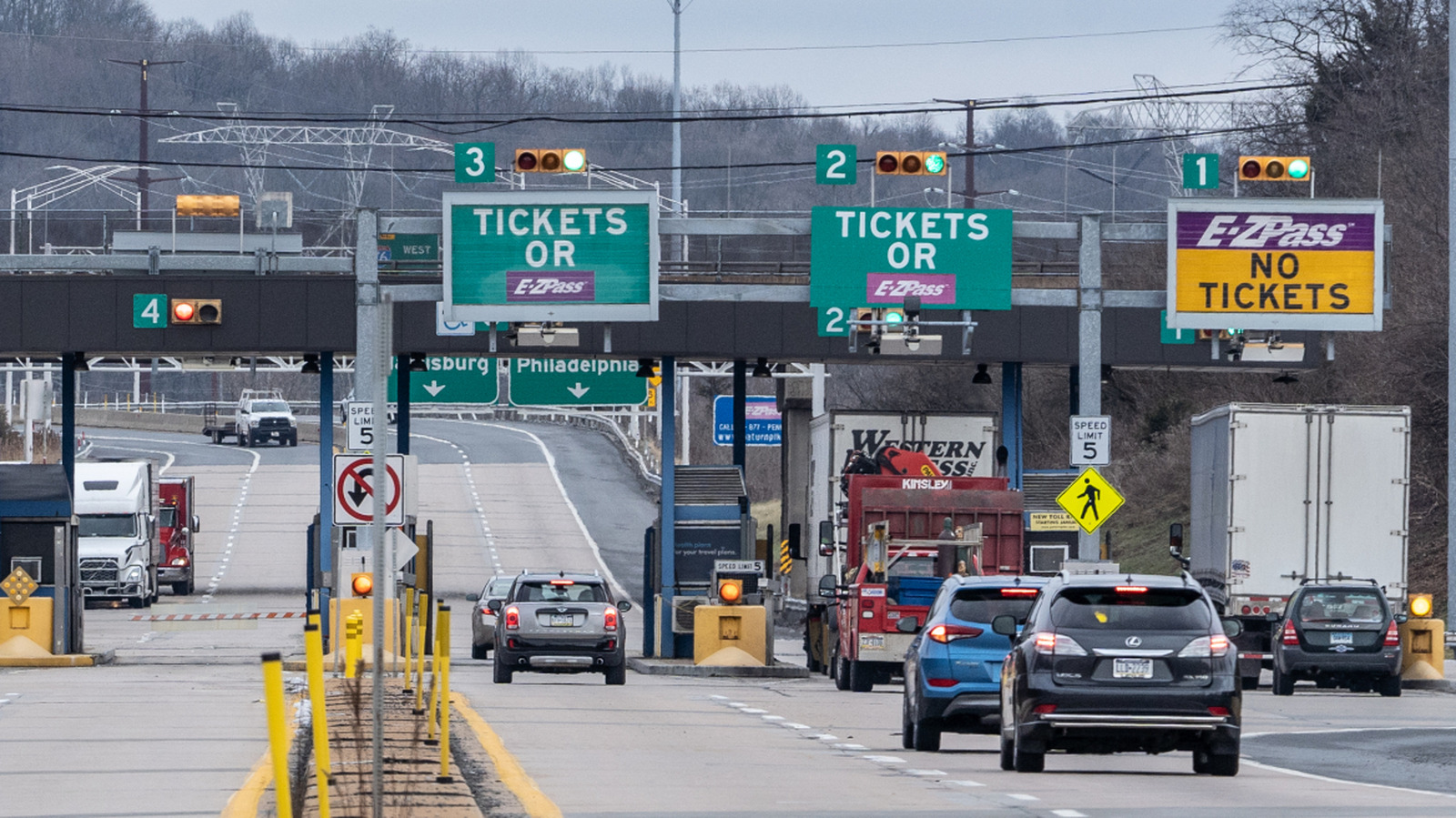
Have you ever received a ticket for a toll road you’ve never even used? If so, it’s probably because a toll camera was wrong about someone else’s license plate number. These cameras use automated license plate recognition (ALPR) technology to identify vehicles passing through the tollway, but it isn’t a perfect system.
The Advanced Transportation Technologies Study released by the Washington State Transportation Commission found that, as of 2024, ALPR technology in real-world use is capable of “greater than 95% accuracy.” This sounds like an impressive feat, but to put it another way, toll cameras are still wrong up to 5% of the time.
Even so, the technology is better than it’s ever been, and still improving. When you consider that government agencies can now scan your license plate and track your car with a phone app, it stands to reason that dedicated toll cameras are using state-of-the-art ALPR as well. If you use public roadways, and especially tollways, it’s worth understanding how toll cameras work and how they’re changing.
How toll cameras (almost) guarantee accurate identification
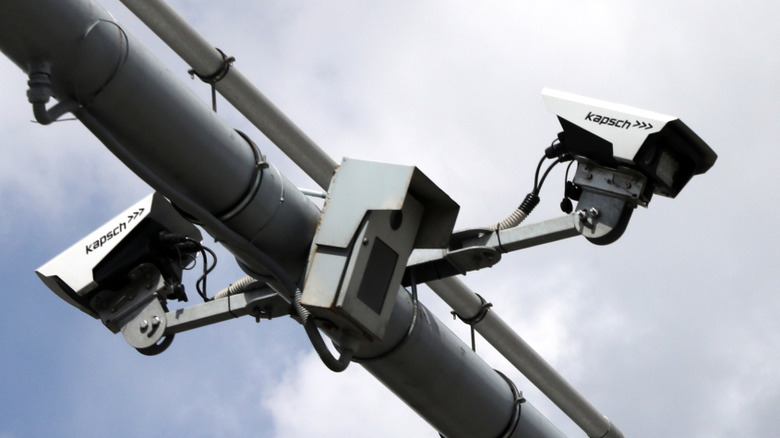
Inex Technologies, a leading developer of ALPR software, explains that its toll cameras are equipped with global shutter sensors and superior processing speed to capture several moving vehicles per second. This differs from parking cameras, which only need to capture one vehicle at a time under predictable conditions. The external illuminators and adaptable hardware in toll cameras help ensure accurate identification of moving vehicles during all weather conditions and times of day.
Modern-day traffic cameras are extremely advanced. Los Angeles recently installed speed cameras with automatic fines, and Inex claims that its ALPR cameras are capable of false-positive levels below 0.05%. The technology is sophisticated enough that jurisdictions can reliably leave the system to sort out speed violations and toll charges with little human intervention.
Inex is already testing an AI-powered traffic violation enforcement system in territories abroad, which is currently processing more than 1.2 million vehicles per month. With a bit more refinement, the possibility of receiving a wrongful toll will be practically nonexistent. However, that reality hasn’t fully arrived just yet.
What to do if a toll camera wrongly charges you
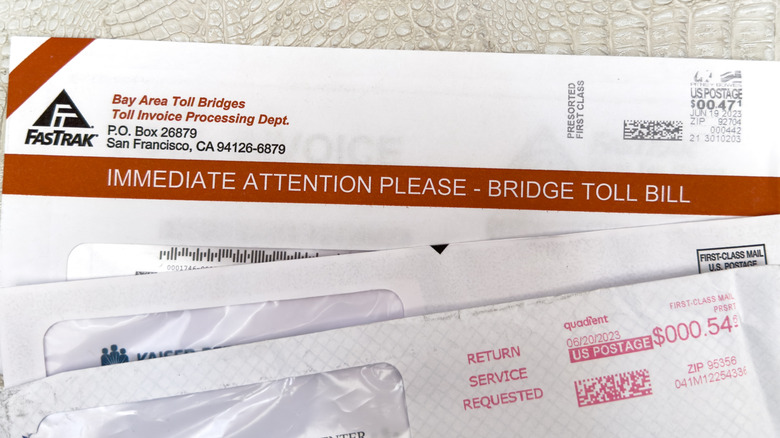
It’s important to dispute a wrongful toll quickly, because ignoring a notice of toll evasion can result in the DMV putting a hold on your vehicle registration. Toll tickets should include information on how to dispute the charge. However, this may require submitting complex paperwork designed for drivers who’ve been rightfully tolled but have exempting circumstances.
If you’ve been wrongfully tolled, you may have an easier time resolving the situation by directly contacting the customer service line associated with the tollway that invoiced you. It can be helpful to have evidence of your driving activity; using an app to track driving can actually save you from a frustrating toll charge. Be aware of fraudulent toll tickets used to scam innocent people; make sure you’re speaking to an official tollway representative before providing personal information.
In 2016, more than 3,600 license plates were misread by toll cameras in New York. From 2015 to 2016, 194,000 tollway tickets were reversed in Florida due to misread license plates. Technology has advanced a lot since then, but these figures indicate that toll cameras can certainly be wrong, and that drivers can still face mistaken charges to this day. New license plate designs in Pennsylvania were reportedly confusing toll cameras as recently as February 2026. Always be prepared for a tollway invoice to show up in your mailbox, so you can handle the problem before it affects your driving privileges.