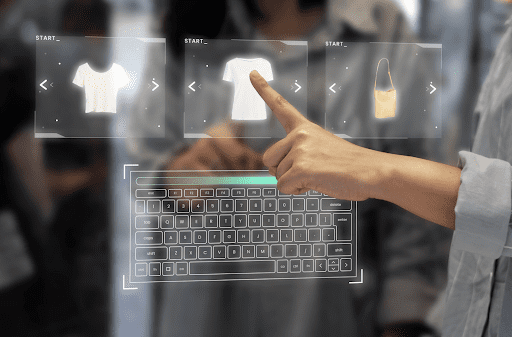
Online shopping has become faster and more convenient over the past decade, but it has also become more complex. A single product can appear across dozens of retailers, each with different pricing, delivery terms, and discount claims. For consumers, this creates friction. Finding the best option is no longer about clicking “buy,” but about sorting through competing offers and incomplete information.
As a result, price comparison platforms have become a key part of how people make purchasing decisions online. Instead of relying on brand trust or a single retailer, shoppers increasingly turn to tools that aggregate prices, show availability, and help them understand the real market value of a product.
This shift is especially visible across Europe, where fragmented retail markets and local pricing differences make comparison essential rather than optional.
From convenience to necessity
In the early days of e-commerce, price comparison tools were seen as a convenience. They saved time, but they were not critical. Today, that has changed. Inflation pressure, fluctuating discounts, and aggressive promotional tactics have made consumers more cautious.
As online offers become more complex, understanding pricing details, delivery terms, and promotional language has become just as important as comparing numbers. Educational tools such as sparx reader support stronger reading comprehension, helping users interpret detailed product information and make sense of the claims presented across different retailers with greater confidence.
Shoppers now expect to:
- compare prices across multiple stores,
- verify whether a discount is real,
- see how prices change over time,
- avoid overpaying due to limited visibility.
Price comparison platforms meet this need by centralizing information that would otherwise require manual searching. What once took multiple tabs and repeated checks can now be done in a single view.
This has shifted consumer behavior. Many shoppers start their journey not on a retailer’s website, but on a comparison platform.
How price comparison technology works
At a technical level, price comparison platforms rely on structured product data, retailer feeds, and frequent updates. They aggregate information such as:
- current prices,
- stock availability,
- seller identity,
- delivery conditions.
Some platforms also provide historical pricing or alerts, helping users decide when to buy rather than just where.
The value is not only speed, but clarity. By presenting comparable offers side by side, these tools reduce information asymmetry between retailers and consumers. Shoppers can make decisions based on data instead of marketing claims.
Why local platforms matter in Europe
While global marketplaces dominate headlines, local price comparison platforms play a critical role in European markets. Language, regional retailers, and local pricing rules create barriers that global tools often fail to address.
In smaller or mid-sized markets, consumers often rely on regional services that focus on domestic stores and local availability. Platforms such as Nabava.net serve this role by aggregating prices from local retailers and presenting them in a way that reflects how people actually shop in that market.
This local focus increases trust. Users are more likely to recognize retailers, understand delivery terms, and rely on the data provided.
Impact on retailer competition
Price comparison platforms also change how retailers compete. When prices are visible side by side, inflated pricing and vague discounts become harder to justify. Retailers are pushed to compete on:
- transparent pricing,
- reliable availability,
- clear delivery terms.
This does not always mean lower prices, but it does mean clearer value. Retailers that offer better service or faster shipping can differentiate themselves, while those relying on confusing promotions lose ground.
From a market perspective, this creates a healthier competitive environment driven by visibility rather than noise.
Changing expectations around trust
Trust has become one of the most important factors in online shopping. Consumers are more skeptical of banner discounts and limited-time offers, especially when prices fluctuate daily.
Price comparison platforms help rebuild trust by grounding decisions in observable data. When shoppers can see multiple offers at once, confidence increases. Even if they do not choose the cheapest option, they understand why they are paying more.
This transparency reduces buyer regret and lowers return rates, which benefits both consumers and retailers.
The role of data in smarter decisions
Beyond price, comparison platforms increasingly influence broader decision-making. Users look at:
- seller reputation,
- availability patterns,
- price stability.
This reflects a broader shift toward data-informed consumer behavior. Shoppers want to feel in control, especially when budgets are tight and choices are abundant.
Interpreting this data requires more than just access to information. It also depends on the ability to recognize patterns and connections across multiple signals, similar to how logic-based activities like the strands users to identify relationships within complex sets before reaching a conclusion.
In this sense, price comparison platforms are not just shopping tools. They are decision-support systems that help users navigate a crowded digital marketplace.
Conclusion
As e-commerce continues to grow, the role of price comparison platforms is likely to expand. Real-time data, better product matching, and improved filtering will further shape how consumers shop online.
For European markets in particular, localized platforms will remain essential. They bridge the gap between global commerce and local retail realities, offering clarity where fragmentation would otherwise create confusion.
For consumers, the takeaway is simple. In a crowded online marketplace, visibility matters. Tools that bring prices, sellers, and availability into one place are no longer optional helpers. They are a core part of how smart online shopping works today.